Product Review: Earthmeal

Earthmeal Organics Review – A Nourishing Start or Just Another Bowl?
Purchase Earthmeal Discounted Here 💚

As a Functional Nutritional Therapy Practitioner, I always look at packaged foods through a lens of bio-individuality, nutrient density, and how a product supports foundational health pillars—digestion, blood sugar balance, mineral status, and beyond. So when I came across Earthmeal Oatmeal, I knew I had to dig into the label and test it for myself.

Here’s my take on whether it deserves a spot in your holistic kitchen:


🥣 The Ingredients: First Impressions Matter

Earthmeal prides itself on using clean, whole food organic ingredients—and that shows. The base blend includes:

  • Organic gluten-free rolled oats
  • Healing Herbs: Maca, Ashwagandha, Reishi, Ginger, Lion’s Mane
  • Seeds: Ground flax, Heirloom pumpkin seeds
  • Vitamin C: Camu camu, Goji Berries
  • Natural Sugars: Coconut sugar, figs and dates
  • Himalayan salt for electrolyte replacement and absorption

What I like:

  • No industrial seed oils, natural flavors, or synthetic vitamins (important for my MTHFR folks).
  • Fiber-rich seeds like chia and flax support digestion and hormone balance.
  • Coconut milk powder adds nourishing fats that help slow carb absorption—a win for blood sugar.

What I watch for:

  • Even natural sugars like dried fruit or maple sugar can spike blood glucose in some sensitive clients. Pairing this oatmeal with added protein or fat (think: pasture-raised collagen, a spoon of almond butter, or raw milk) can help blunt that spike.

🔬 Macronutrient Breakdown (per serving):

(Based on Earthmeal Blueberry flavor)

  • Calories: 280
  • Fat: 10g (from coconut, flax, chia)
  • Carbs: 36g (5g fiber, 9g sugar)
  • Protein: 6g
  • Sodium: 180mg
  • Calcium, Magnesium, Iron: trace amounts (from chia, oats, and Himalayan salt)

My take:
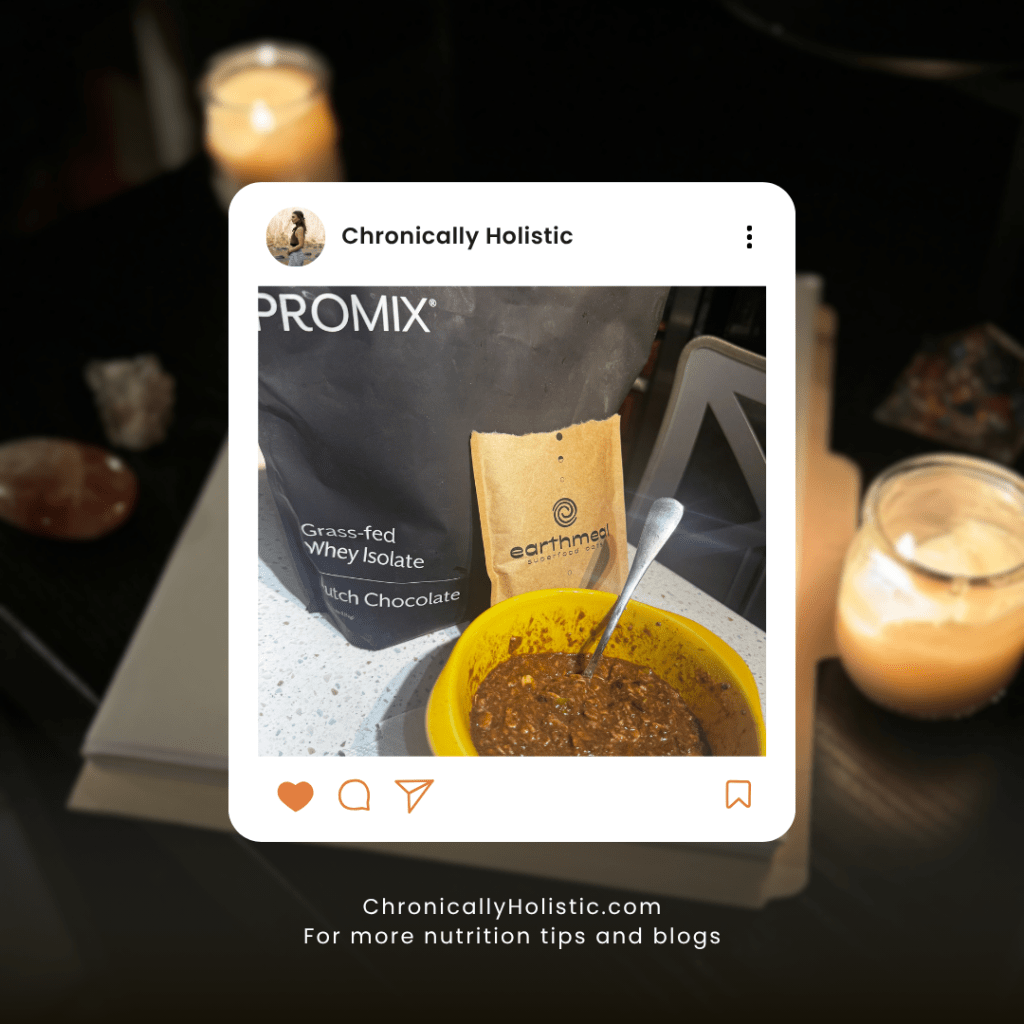
This is a carb-forward breakfast, but the added seeds and coconut fat help give it more staying power. I’d recommend increasing the protein—especially for blood sugar-sensitive or adrenal-fatigued individuals—by adding 1–2 scoops of protein or serving it alongside eggs. I used Promix chocolate in my own.


🌿 Holistic Highlights

Supports Digestion: The combination of soluble and insoluble fiber supports healthy motility and feeds beneficial gut microbes. Great for anyone looking to gently nudge sluggish digestion.

Blood Sugar Friendly (with tweaks): Without a protein or fat addition, the carb load may be too much for some. That said, it’s far better than instant oats or cereal thanks to the balance of whole food fats and fiber.

Clean Ingredients: Minimal processing and organic sourcing (where applicable) make this a solid grab-and-go option for travel, postpartum, or busy mornings.


✨ Who I’d Recommend This For:

  • Busy parents or professionals needing a clean, quick option
  • Clients rebuilding digestion who don’t tolerate heavy breakfasts
  • Postpartum moms needing mineral-rich, comforting food
  • Clients on elimination diets (it’s dairy-free, gluten-free, and soy-free)

❌ Who Might Need to Skip or Modify:

  • Those on very low-carb, ketogenic, or carnivore diets
  • Clients with Candida or high blood sugar who react to fruit sugars
  • Anyone needing more robust protein first thing in the morning, I recommend to try to it eat along side a meat!

🌟 Final Verdict

4.5/5 stars
I didn’t love it first taste but am now OBSESSED! Earthmeal Oatmeal is thoughtfully crafted and aligned with many holistic nutrition principles. With a little personalization—especially adding protein—it can be a nourishing, grounding way to start the day. It’s not a one-size-fits-all solution, but it’s definitely a step up from conventional oatmeal.

Pro Tip:
If you’re looking to level it up, try this:
➡️ Stir in collagen peptides + raw milk or kefir
➡️ Top with mineral-rich sea salt, cinnamon, and a spoon of tahini for added copper, magnesium, and fat.


Use the code: HOLISTICKATE for an additional 25% off 💖

The Calcium Shell & Digestion: When Protection Blocks Healing

The Calcium Shell & Digestion: When Protection Blocks Healing
By Chronically Holistic

I’m a raw milk-drinking gal now—but before I got here, I had to break up a massive calcium shell.

For those unfamiliar, a calcium shell shows up when calcium levels are cellularly high—typically over 165 mg% on a Hair Tissue Mineral Analysis (HTMA). It’s one of the most common patterns I see in my practice, and it’s a major roadblock to healing that’s often missed or misunderstood.

If you’re stuck in your health journey despite doing “all the right things,” this might be the hidden culprit.

This blog is dedicated to unpacking what a calcium shell is, how it forms, and how we begin to gently break it down—so the body can move from survival mode back into a place of safety, connection, and real healing.

I believe the body always acts in service of survival—even when those protective mechanisms begin to interfere with your ability to heal and thrive. One of the most telling signs of long-standing emotional stress and unresolved trauma in the body is a mineral pattern known as the calcium shell.

This pattern can be detected through a Hair Tissue Mineral Analysis (HTMA) and is a clear signal that the body is in a chronic state of overwhelm. If you’ve tried every healing protocol under the sun but still feel stuck—fatigued, foggy, disconnected—the calcium shell may be at the root.


What Is a Calcium Shell?

A calcium shell is a biochemical coping mechanism—a literal mineral shield that the body builds when it no longer feels safe. It’s most commonly the result of prolonged emotional stress or unresolved trauma, and it shows up as extremely high calcium levels on an HTMA (typically above 165 mg%).

Calcium is a naturally calming mineral, and in a high-stress environment, the body may use it to numb emotional pain and buffer itself from outside threats. Instead of depositing calcium where it belongs (in the bones and teeth), it begins to store it in soft tissues—like the joints, kidneys, arteries, brain, and even the thyroid.

This does not mean dairy or calcium is bad. It means you are not properly getting the calcium into the cells due to stress and depletions. I use diet, supplements and lifestyle adjustments to help “break” the calcium shell.


Emotional and Physical Signs of a Calcium Shell

People with a calcium shell often describe feeling emotionally flatlined or “frozen.” Symptoms may include:

  • Apathy, disconnection, numbness
  • Depression or low motivation
  • Brain fog
  • Withdrawal or isolation
  • Chronic fatigue
  • Joint and muscle pain
  • Cold hands and feet
  • Constipation and sluggish digestion
  • Hormonal imbalances

Physically, this misdirected calcium can contribute to or worsen conditions like:

  • Osteoporosis or osteopenia
  • Fibromyalgia
  • Hypothyroidism
  • Arthritis
  • Kidney stones or bone spurs
  • Heart disease (due to arterial calcification)
  • Poor dental health or premature graying

In essence, your body is trying to help you cope—but in doing so, it slows everything down. Metabolism, mood, motility… all become compromised in this “freeze” state.


How Does a Calcium Shell Develop?

The most common drivers of a calcium shell are:

  • Chronic, unrelenting stress
  • Unresolved emotional trauma
  • Incorrect supplementation (especially with calcium and vitamin D)
  • Excess dietary calcium from fortified foods or misguided supplementation for bone health

Many people unknowingly worsen a calcium shell by taking multivitamins or calcium supplements, especially when trying to reverse bone loss. But if calcium isn’t being directed properly—without adequate co-factors like vitamin K2 (MK-7), vitamin A, and iodine—it ends up where it shouldn’t be.


Healing the Calcium Shell: A Slow, Gentle Process

Breaking up a calcium shell requires time, safety, and support. As the shell begins to dissolve, long-buried emotions may resurface. This is why working with a trained practitioner who understands the emotional and biochemical layers of healing is essential.

We begin by gently supporting the body’s ability to redirect calcium into the bones. This often involves:

  • Supplementing with vitamin K2 (MK-7)—without vitamin D
  • Supporting detox pathways and drainage
  • Addressing emotional root causes through trauma-informed practices
  • Making dietary shifts to rebalance minerals
  • Slowly reintroducing a sense of safety into the nervous system

As the body unravels the protective calcium shell, you may notice temporary detox symptoms like joint pain, mood swings, or migraines. These are signs the body is mobilizing stored materials and emotions. This work is deep, and it requires your gentleness and patience.


Awareness Is the First Step

Most people think more calcium is always better, but that’s only true if your body is placing it where it belongs. If you feel like something deeper is keeping you stuck in your healing journey, it may be time to consider HTMA testing.

Unlike blood work, which gives a snapshot of a single day, the HTMA provides a three-month view of mineral trends in the body. It not only tells us how much calcium is present, but also where the body is directing it—and whether it’s time to gently dismantle the shell.


Ready to Learn More?

At Chronically Holistic, I offer HTMA testing as a standalone option or as part of a multi-month healing program. If you’re curious whether a calcium shell may be holding back your progress—or want to explore how stress and mineral imbalance might be playing a role in your symptoms—let’s talk.

Reach out via our contact page or email us directly at ChronicallyHolistic@gmail.com


You were built to heal. Sometimes, you just need the right map—and someone who knows how to read it.

HPA Axis and Blood Sugar Regulation

What in the world is the HPA Axis? First I must say this is not medical advice, but I am here to educate you on what the heck is going on in your body and how what you feed your body directly impacts your body.

The HPA Axis stands for: the hypothalamic-pituitary-adrenal axis, As the name implies it involves the hypothalamus, the anterior lobe of the pituitary gland, and the adrenal glands. This is a main component of the stress response. Our thyroid is also connected and affected by the release of the hormones from our stress response. Due to our busy stressful lives, diet and environment our HPA axis is usually skewed and working in a high stress mode. Stress can come in many forms. Whether it be physical, such as injury and illness, or emotional, the body perceives stress as a threat to homeostasis. Poor sugar regulation is a huge factor in the HPA disruption.

Blood Sugar Regulation

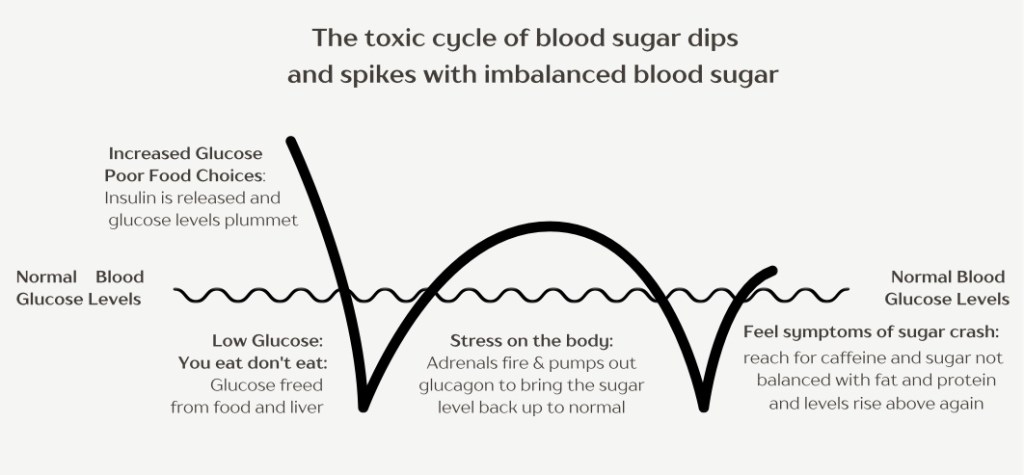
You don’t have to be diabetic to have uncontrolled blood sugar. Many of us do not properly pair our food choices with the proper protein, fats and carbs needed for our metabolism and have spikes and dips in our blood sugar multiple times daily.

Every time your blood sugar drops from eating an unbalanced meal or processed sugar or processed carb meal your body needs to bring it down. This is extremally taxing on a body, and most people live like this. It brings it down by releasing insulin from the pancreas, the pancreas then releases glucagon to bring it back up but it is usually not enough.

This is when you feel shaky and no matter what you eat you feel “odd” your body then goes into a fight or flight mode and your adrenals release epinephrine and cortisol to bring up the blood sugar.

It is an exhausting cycle that burns through your glucose stores and stresses out your cycle. The cycle that helps regulate your stress hormones is called the HPA Axis.

When blood sugar is imbalanced you cannot balance this axis, this leaves you in a chronic stressed unable to digest and cellular work properly state.

For the HPA axis to work, the body must first feel safe. We are becoming well-versed that our hormones are out of whack, but the harder thing to deal with is trauma. Trauma looks different for everyone. By restoring your minerals and working through mental blocks you can get your body into a healthy parasympathetic safe state again.

We are all familiar with the term “hormones”. Hormones are released from our endocrine system and the HPA axis is a triangle of three key endocrine glands that help the body regulate cortisol levels (our stress hormone) and maintain homeostasis.

When trauma is left unresolved and/or blood sugar is left uncontrolled hormones like the the ones that are involved in the HPA axis and Thyroid hormones become less important cease to function.

Responding to stress

When the body is exposed to a stressor our brain signals neurotransmitters which activates the HPA axis starting with the hypothalamus. Hormones such as the corticotropin-releasing hormone (CRH) is released which then targets the anterior pituitary gland where receptors are kept. This then stimulates the production and secretion of adrenocorticotropic hormone (ACTH) into general circulation of your body. ACTH then binds to receptors on the adrenal cortex and stimulates the synthesis and release of glucocorticoids. The one we are familiar with specifically cortisol (known as the stress hormone). Epinephrine then triggers, glycogenolysis, gluconeogenesis, and lipolysis. Blood sugar rises and CRH & ACTH are suppressed via a negative feedback loop attempting to bring the body back to homeostasis. Insulin is then released to decrease to bring back down the sugar which we then usually reach for that sugar and fire our adrenals and fire more cortisol and repeat a dangerous cycle.

In response to cortisol the body induces a number of metabolic effects in order to restore the body back to homeostasis. Cortisol’s response in the body :

  • Increases blood glucose concentration by activating enzymes in gluconeogenesis and inhibiting the uptake of glucose in peripheral tissues
  • Stimulate inflammation by reacting to of cytokine receptors,
  • Affect our thyroid hormone levels, specifically thyroid stimulating hormone (TSH), triiodothyronine (T3), and thyroxine (T4).

What does this all mean?

Ultimately, this means an imbalance in homeostasis results in an imbalance in the hormones discussed above. This results in blood sugar dysregulation as well as potential thyroid hormone levels resulting in hypothyroidism or hyperthyroidism. Although a supplement may decrease the tilt of the axis the solution is finding the root cause and stressor. We can then live in a chronic sympathetic state (fight or flight) and have a miscommunication between the HPA-axis with dysregulated blood sugar.

So, you know that being “hangry” and feeling those blood sugar spikes/dips are not normal, but now you know what it is doing on a hormonal and cellular level in your body.

How to improve your HPA Axis:

  • Work on your blood sugar regulation by eating a whole food nutrient dense diet with balanced minerals and macronutrients. That is where working with a professional like an NTP comes in. After analyzing your food and mood journal and NAQ we can come up with a bio-individualized way of eating for you.
  • Sleep Hygiene: Screens off before bed to decrease stimulation as well as activities to activate the parasympathetic nervous system. This can include dry brushing, vagal nerve exercises, yoga, meditating, breathing techniques or journaling.
  • Routine: Your body and adrenals especially love routine. Eating around the same time, having morning and evening rituals so your body expects what is coming and how to react. Versus the constant unknown, rushing and surge of stress hormones.

I hope this is informative and able to help you heal. May the root cause be physical, emotional, or nutritional (the link to everything). I hope you are able to be more aware and intuitive to make changes in your body.

References:

Smith, S. M., & Vale, W. W. (2006). The role of the hypothalamic-pituitary-adrenal axis in neuroendocrine responses to stress. Dialogues in clinical neuroscience8(4), 383–395. https://doi.org/10.31887/DCNS.2006.8.4/ssmith

Stephens MA, Wand G. Stress and the HPA axis: role of glucocorticoids in alcohol dependence. Alcohol Res. 2012;34(4):468-83. PMID: 23584113; PMCID: PMC3860380.

Your stress bucket 🪣

You can eat a 100% organic farm raised diet and still be “unhealthy”. I was totally baffled for years why I was in so much pain but eating so “clean”. Just as you can’t dress like a football player and expect to jump into a professional game and nail it, you also can’t eat healthy and ignore other stressors on your body and expect to be healthy. Food is the basic support to our body and is essential, but there is so much more that contributes to our wellness.

If this is you, then kudos to you! If you’re here though you are probably suffering in some aspect and here for curiosity or guidance.

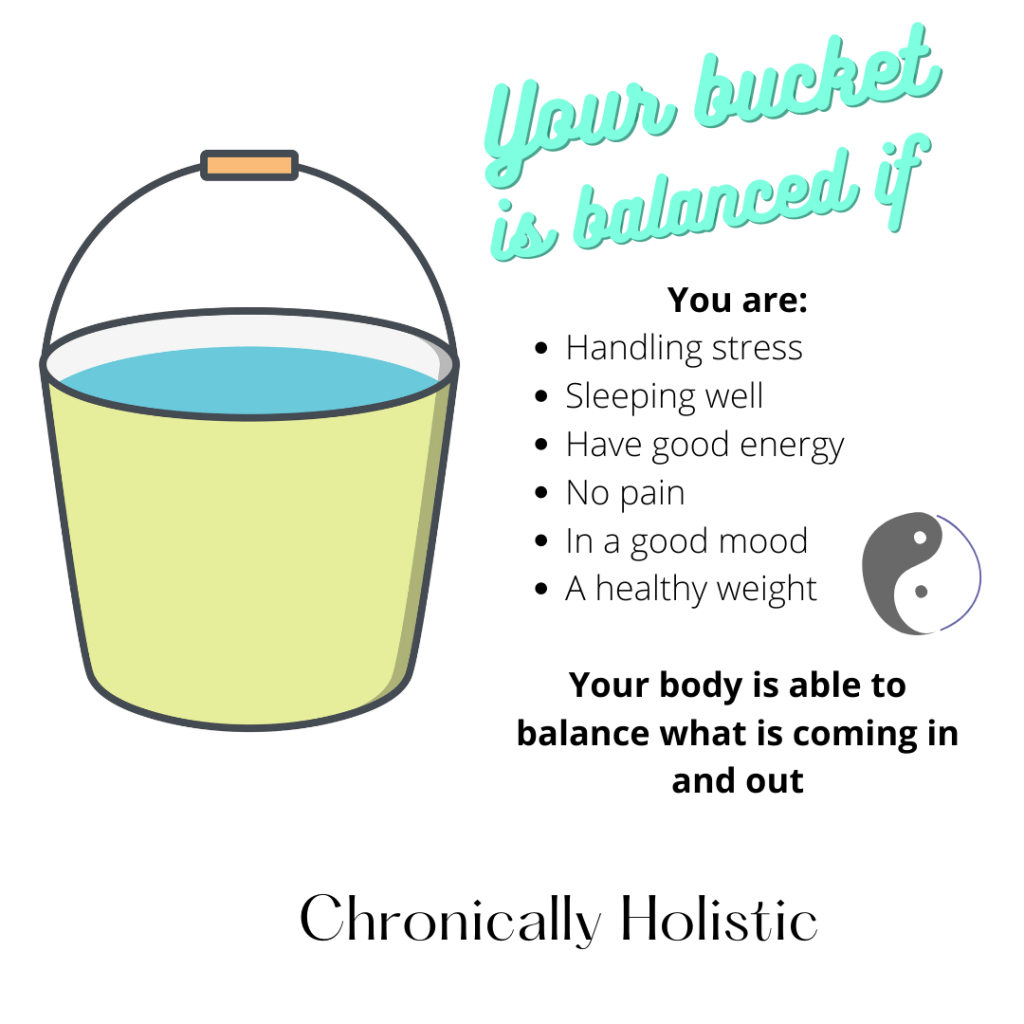
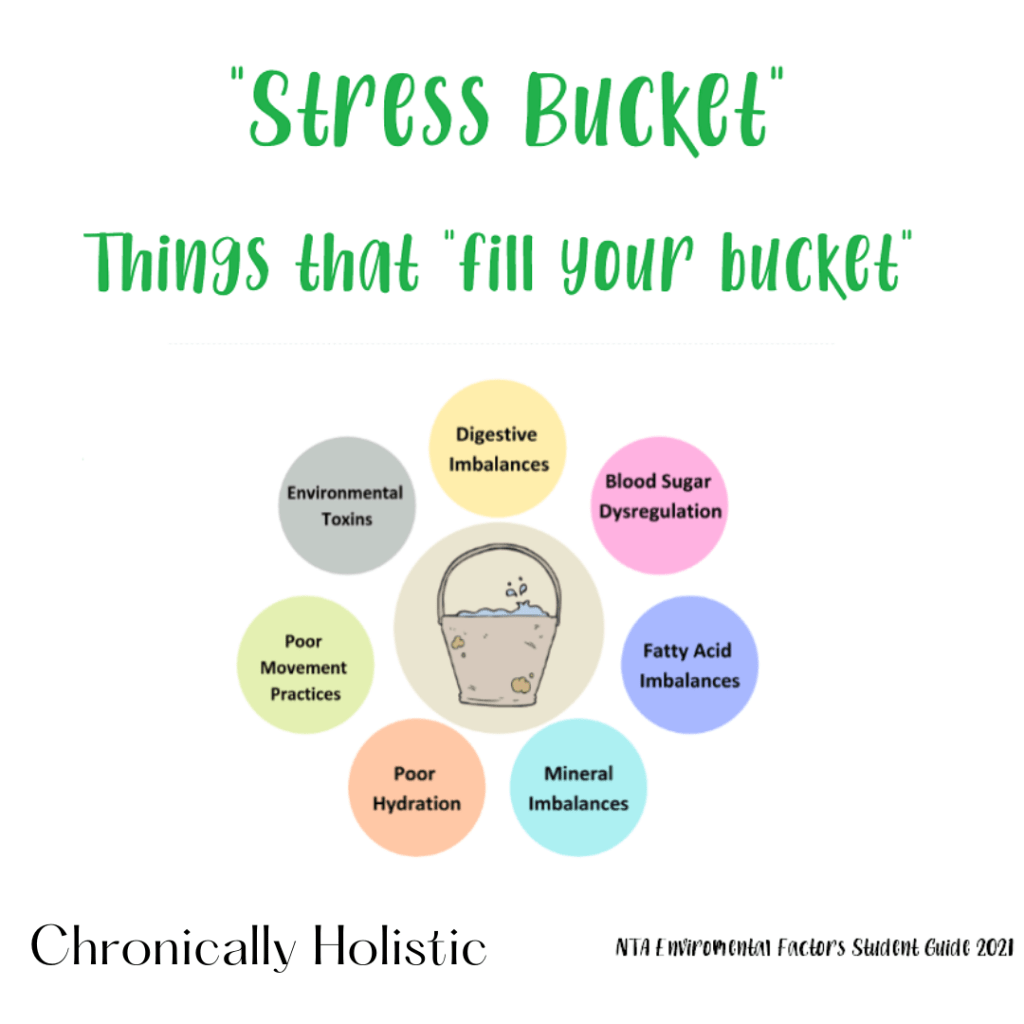
Your body is similar to a bucket. It can only take on so much before it “overflows” or in your bodies case, goes into overdrive which then results in our symptoms and illnesses.

There are many ways our body detoxs and rids our body of toxins and stresses. If your bucket is full then there is no room for more water to come in. I’m not saying you are supposed to live a stress free life, but one that your body can handle and stay balanced. Obvious stressors include visible stress, but many of us (myself included) had hidden stressors from your diet, environment and immune that are not obvious!

This is why it’s so important to look at healing your body as a whole and not at only the symptoms. On top of this every body is different. This is why some diets, detoxes and supplements work for some but not others. I have been there! It is frustrating, time consuming and expensive! Don’t give up if you’re suffering, there is light at the end of the tunnel. You just haven’t found your bio individualized plan to help you heal yet.

Here are some tips on how to balance out your “bucket flow”

  • DRINK MORE WATER! This is soo simple and widely known, yet most of our health issues are from cellular dehydration! Drinking GOOD drinking water and enough of it is always my #1 go to for health concerns, especially if they are new!
  • Correct digestive concerns: look into food reactions, sensitivities. Gut health is soo important to your health!
  • Eat a whole food diet: this will help balance out any blood sugar, fatty acid, mineral and detoxification issues. Everyone is individualized, so there is no one size fits all diet approach, but eating whole nutritious food is a great start! Check out other blogs on how to eat cleaner and how to clean out your pantry
  • Avoid environmental factors: Now you can’t live in a filtered bubble and avoid all toxins but there are some easy lifestyle changes to decrease your toxic load dramatically. Check out previous blogs on how to live a more chemical free life.

If this interests you and your looking for a way to get healthy for your individual health needs click the “how to work with me tab” to get on my list. I would love to guide you into becoming the best you. I will be accepting clients in August 2021!

How to help your Immune System Function at it’s best this Winter

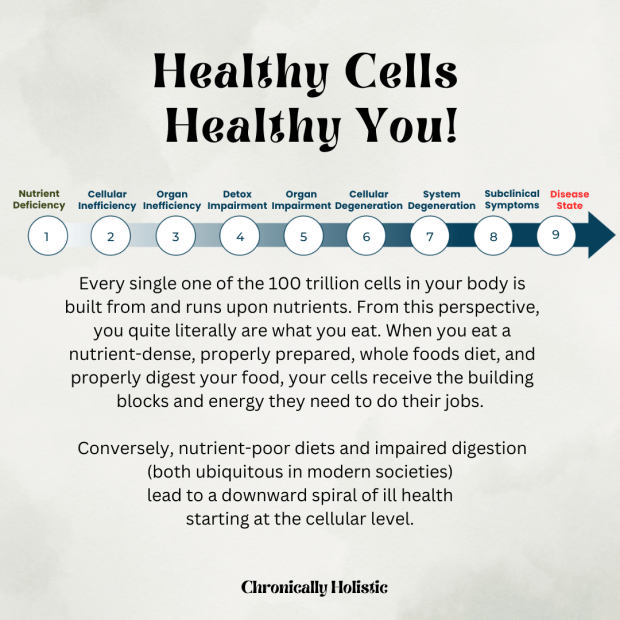
A fever any day at any age promotes instant fear, especially during the pandemic. It’s even scarier if you are a mom because kids get sick and get fevers. I have had a lot of health issues, but luckily I have not been “sick” for over three years. Prior to to this I was reliant on antibiotics and Tylenol every winter. By overusing medication when it wasn’t absolutely necessary I weakened my immune system by depleting something called glutathione. The only way I discovered this is was from a very accurate and personalized blood test that tested my blood at a cellular level ran by a naturopath. Which means I got to see how my cells were working not how a blood level looked. If you didn’t pay attention in science class we are entirely made out of cells! Every muscle in our body, to organ to our self (organism) is made of cells. So functioning on a cellular level is beyond important. For me this meant my blood levels looked okay, but on a cellular level the minerals, vitamins and antioxidants such as glutathione were not being absorbed/produced or used properly. A lot of things can cause this such as; Chronic Illness, Medication Overuse, Chronic Stress and a Poor Diet (everything always comes back to nutrition!). Sadly, most of American’s suffer from one if not all the above causes. I am hoping to help educate you on when you need to treat a fever and how to keep your immune system working in full gear for this upcoming winter season. As always remember this is my personal not medical advice, always seek professional help if you need medical attention.

Glutathione’s Role in Your Immune System.

Glutathione is one of the body’s most important and potent antioxidants.! Antioxidants are substances that reduce oxidative stress by combating free radicals in the body (Berkheiser, 2018).

By taking medications such as Tylenol when not needed you are suppressing and depleting this great antioxidant! Other causes listed above are chronic illness, stress and a poor diet. This is why it is important to treat your body well because although you may not think it is important, it is on a cellular level to survive and stay healthy!

Glutathione: Benefits, Side Effects, Dosage, and Interactions

The Critical Roles of Glutathione (Pizzorno, 2014) :

  • It helps protect against oxidative stress (breakdown of cells from exposure to chemicals and toxins)
  • Cofactor for several antioxidant enzymes
  • Regeneration of vitamins C and E
  • Neutralization of free radicals produced by Phase I liver metabolism of chemical toxins
  • Transportation of mercury out of cells and the brain
  • Vital to mitochondrial function and maintenance of mitochondrial DNA (mtDNA)

When do you need to treat a fever?

Fevers are not necessarily dangerous.  The infection may be! A fever is certainly scary but it isn’t always an emergency if you or your little one has a high fever. Fevers stimulate a strong immune response in our bodies which can quickly eliminate pathogens (infection). We want that immune system to kill the infection and not suppress it with medications. Many people panic when they see a fever of 100° F in fear that their child or self will develop brain damage and rely on an antipyretic such as Tylenol or Motrin. An actually temperature is not considered a fever until the it reaches greater than 100.4° F with a rectal thermometer. I read a great post by My Friend the Pediatrician on Facebook. It basically says to follow your gut and observe your child or yourself. You know your body or your child’s more than anyone else! Here are a few things to consider before treating with medication:

  1. Pay attention to your body or child’s body more than the temperature reading. If you or your child is acting in a way that you are concerned, that is more important than a temperature reading. This is when medication and a phone call to your doctor is needed. Lethargy, not crying for infants, and no wet diapers or tears for children can be signs the infection is worsening, there is trouble oxygenating or dehydration. These signs no matter of the temperature warrant not only a call to the doctor but a trip to the hospital.
  2. A fever between 100-100.4 is safe if you or your child are not showing signs of distress or dehydration listed above. You want to fight off those bugs and keep your immune system working non suppressed.
  3. Fussiness or crankiness is not a reason to treat with medication. If you don’t feel good you are not going to be in the best mood! Now if your are cranky because you broke your leg then I think some pain medication is warranted! Otherwise let your immune system work, rest, give or get cuddles and eat the best food you can get down. Always call your pediatrician or doctor if you are concerned.
  4. With all this being said.. it is NEVER normal for an infant under age 3 months with a fever (greater than 100.4° F). This warrants a call to your pediatrician and needs to be checked out immediately.

How to boost your Immune System?

  • Try to incorporate a variety of leafy vegetables, fresh fruit and good quality meats to get in Vitamin C, Sulfur, Selenium and naturally occurring Glutathione! These vitamins, minerals and antioxidants help promote a healthy immune system. Examples include:
    • Strawberries (Vitamin C)
    • Citrus fruits (Vitamin C)
    • Kiwis (Vitamin C)
    • Peppers (Vitamin C)
    • Broccoli (Sulfur)
    • Brussels sprouts (Sulfur)
    • Cauliflower (Sulfur)
    • Mustard greens (Sulfur)
    • Cottage cheese (Selenium)
    • Brown rice (Selenium)
    • Brazil nuts (Selenium)
    • Good quality meats (Selenium)
    • Spinach (Glutathione)
    • Avocados (Glutathione)
    • Asparagus (Glutathione)
  • Avoid alcohol, this has been proven to directly increase liver stress which makes it harder for your body to detoxify and function on a cellular level. This is especially important if you are sufferings from chronic illness, stress or nutritional deficiency.
  • If you are sick and none of those foods sound appetizing (I don’t blame you) make some homemade bone broth with some good quality bones (organic if available). I make this a couple times a month to cook with and have a stash if I need to sip on some soup or broth when I need a little immune boost! If you have an Insta-pot it is sooo easy to make and so yummy! Here is how I make mine:
    • Place all your bones (beef or chicken) in the instapot.
    • Add 6-8 cups of filtered water
    • Add 2-3 cups of vegetables, bonus if you add some from the list above. Fresh is better but frozen is better than none.
    • Add garlic, onion/shallots/leaks
    • Fresh or dried herbs, Salt and Pepper
    • Cook on HIGH for 1 hour
    • Let cool and strain and freeze for cooking or sipping! If you did it right it should be a gelatinous texture after cooled or refrigerated.

I hope you have a healthy winter and healthier immune system always!

References:

Berkheiser, K. (2018, April 25). 10 Natural Ways to Increase Your Glutathione Levels. Retrieved October 17, 2020, from https://www.healthline.com/nutrition/how-to-increase-glutathione

Pizzorno J. (2014). Glutathione!. Integrative medicine (Encinitas, Calif.)13(1), 8–12.

Supplements: Real Food vs. Supplementation

How do you choose where to buy and what supplement to get?

Let’s start out by saying that you should aim to get all nutrients from your diet. Using supplements should not be a long-term fix. They are great while you are healing or fighting an illness, if your diet lacks certain nutrients (vegetarians or vegans), or if you need help stabilizing your blood levels. You should always find out the root cause of the low levels you are supplementing for. Supplementation will help you feel better but can mask a bigger problem, such as an absorption or a diet issue.

You can find a supplement for just about anything. You might purchase a vitamin or herb supplement alone, or as a combination (such as a multivitamin). Not only are there a ton of combination choices, there are a TON of brands and even different forms of supplements (pills, powders, liquids).

To make it even more confusing, supplements are not FDA regulated. This basically means that it is the company’s responsibility to make sure its products are made at a safe dose and can deliver that dose to the consumer. This leads to potency and quality issues with many supplements. Most of the values are listed at the time of manufacturing or before it leaves the facility. After this, it is up to the company to decide how the supplements are transported and stored.

The scarier part is many supplements have fillers and chemicals in them. The term “natural” does not mean it’s safe or good for you (this goes for food also). So you can be secretly ingesting drugs, chemicals, or metals. For this reason, I splurge for the higher-quality supplements that I know were handled properly and/or refrigerated. Otherwise it’s kinda a Vegas scenario, and you are just guessing and hoping that not all the nutrients are oxidized or rancid. Sadly, most of our supplements have either issue, and you are just buying a vegetable capsule with little nutrition value.

To avoid bad supplements filled with unknown fillers and chemicals, I suggest buying your supplements from a company that receives their products directly from the manufacturer and transfers them properly. I buy all of my supplements from Emerson’s Wellevate or Fullscript because of their reputation and known quality. Emerson’s Gold Partner brands test every lot of every ingredient in the products they manufacture, far exceeding FDA requirements. Check out the Supplement tab for more info about ordering from these sites.

After reading, I hope you choose a diet change rather than strictly supplementation use. When I was my “sickest,” I was on over 15 supplements under medical guidance. Supplements are great for helping your body function properly at a cellular level, but it isn’t the magic answer. I may have seen slight changes in sleep or mood, but no drastic change until I modified my diet and healed my gut. As always please consult your medical provider before adding in new supplements as they can be toxic or interact with medications.

Why are you looking for supplements?

Your “why” for looking into supplements is the first question. Are you having issues, or are you looking for health benefits that you don’t get by diet?

Many nutrients can be consumed from a good diet. Unfortunately, according to the CDC, only 1 out of 10 adults meet the daily requirement of fruit and vegetable consumption.

On top of our lack of consuming fruit and veggies, most Americans suffer absorption issues because of diet and medication use. If you are not absorbing your food properly, no amount of food and/or supplements will help. If this is the case, you will likely end up deficient in something.

People are either aware of a deficiency or have a hunch they are deficient in something they can get through supplementation. We tend to rely on supplements over the real food source. The Dietary Guidelines for Americans states that your nutritional needs should be met primarily through your diet, and supplements are just that… supplementary to your diet.

Who needs supplements?

Supplements are for those who cannot get all of the required nutrients through diet. A lot of children (with increasing picky eaters), vegetarians/vegans, and elderly fall in this category. Most people with health issues end up on a ton of supplements because they have misdiagnosed absorption issues.

Generally speaking, if you’re healthy and eat a wide variety of foods — fruits, vegetables, whole grains, legumes, lean meats, and fish — you likely don’t need supplements. The simple fact is that supplements do not provide the same nutrition, fiber, or antioxidants as real food.

My favorite supplement recommendations

I really believe in food first. Unfortunately our diets have become high in Polyunsaturated fatty acids (PUFAs) and are in most of the trending health foods. We need to pay attention to out fat and omega ratios. As well as increasing quality of our foods adding in variety is important to support a healthy microbiome. Although this should be the goal for each of us to live a healthy life! This being said, I have my “go to” favorites to ensure our cells are functioning properly. Without all the proper nutrients and amino acids, our cells can’t do their jobs properly to provide us energy and detoxification. Here is my list of favorite supplements.

Tips to get more nutrients without supplementation:

  • Chew your food 20-30 times to allow for proper digestion and absorption
  • Eat grass fed and pasture fed animal proteins (meat, eggs, dairy) for more higher quality minerals and omega ratios
  • Limit PUFA’s in your diet that cause inflammation
  • Add in collagen and gelatin to your diet (coffee and soups are an easy way to sneak these in)
  • Buy the rainbow at the store and cook your vegetables and fruits while your gut is healing to absorb nutrients more readily.

Buyer beware facts from Harvard (because you l=will believe there data over my words).

  • Beware of extravagant claims! If it sounds too good to be true… it usually is. Also keep in mind: just because a celebrity endorses it does not make it a safe product!
  • Beware of the idea that if a little is good, more is better. Many can lead to more issues and toxicities.
  • Beware of interactions between supplements and medications. Always tell your doctors and pharmacists about any supplements and herbal medications you plan to take, and ask about the risk of potential interactions with your prescription and over-the-counter medications.
  • Beware of meaningless terms. The list includes “all-natural,” “antioxidant-rich,” “clinically proven,” “anti-aging,” and other vague but seductive claims that a product will promote heart health, prostate health, sexual prowess, energy, weight loss, fat loss, muscle power, and the like.
I hope this was helpful! Feel free to reach out to me for recommendations but always speak to your doctor before starting anything new. Just as we are not all the same, not all supplements are the same. It’s important to buy quality products if you are going to supplement…but remember your diet should always be the first stop to increase your bodies needs.