Be “Too Much” in a World That Prescribes Chaos

Being “too much” is what finally led me to health—and—and it’s backed by science.

Chronically Holistic

For years, I lived by elimination—cutting out foods, habits, and even parts of myself. But healing didn’t truly begin until I shifted to addition—intentionally nurturing what my nervous system needed: safety, faith, nourishment, and calm.

Scientific research now confirms what holistic practitioners have long observed: early-life stressors—from complex births and environmental toxins to prolonged insecurity—can deeply impact long-term health. A landmark review shows that those exposed to major psychological stressors in early life face elevated rates of chronic diseases and diminished longevity PMC. Another investigation specifically links childhood adversity with increased risk of chronic illnesses across adulthood ScienceDirect+1.

Even on a neurobiological level, early-life stress alters brain development, particularly in circuits that govern stress response, emotion regulation, and memory. These changes in the prefrontal cortex, amygdala, hippocampus—and in stress-hormone pathways—can lead to heightened vulnerability across life BioMed Central.

I’ve been a nurse for 9 years, working primarily in emergency medicine with a focus on pediatrics. I entered this demanding field while still recovering—on multiple prescriptions, frequenting specialists, and healing from surgeries. Every day, I witnessed people in crisis, and I often minimized my own suffering in comparison.

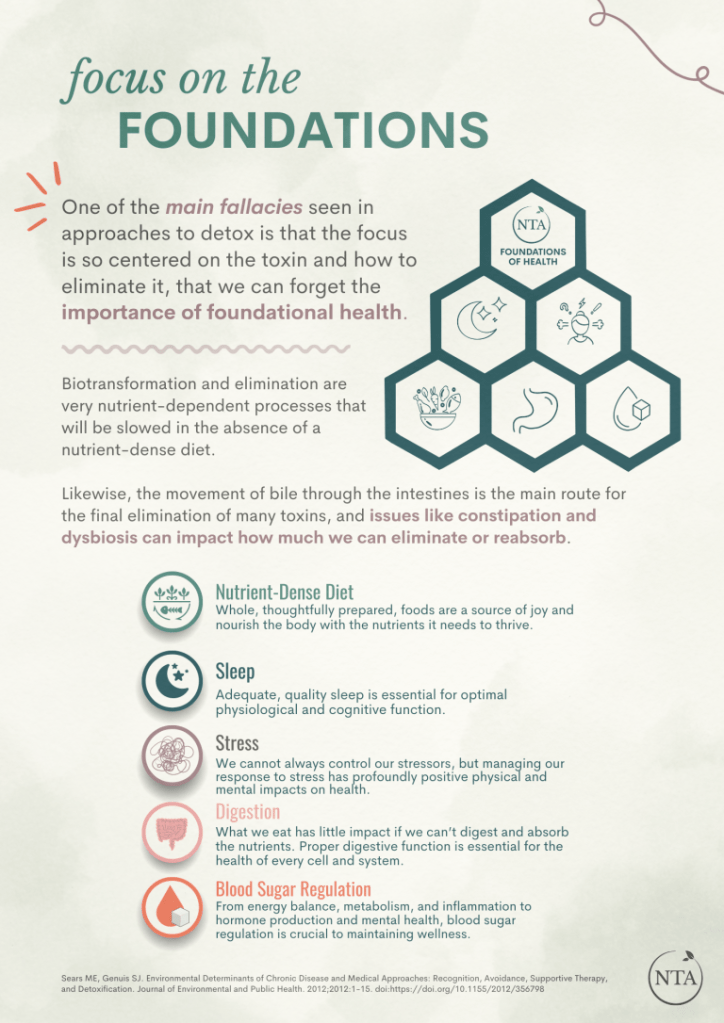
But what goes on outside the hospital doors—in our homes—might matter even more. Health is built every day, not just in moments of extreme illness. Diet, stress coping, environmental quality, and resources are foundational—but often undervalued elements.

Consider sleep health, for instance. Environmental factors—like air pollution, noise, ambient light, and neighborhood safety—play a significant role in shaping sleep patterns and disorders, especially in socioeconomically disadvantaged communities PMCAJMC.

On a broader scale, the social determinants of health—poverty, education, employment, and living conditions—have a more substantial impact on outcomes than clinical care alone ASPE.

Even nutrition doesn’t operate in a vacuum. A recent study examining reproductive-age adults revealed that lifestyle patterns (diet quality, scheduling, eating behaviors) are strongly tied to social factors like rural vs. urban living, employment status, and daily routines MDPI.


Why This Matters

  • Early trauma isn’t just emotional—it’s biological, reshaping your brain, hormones, and immune system in ways that last a lifetime.
  • True health isn’t born in ER rooms—it’s nurtured daily through safety, rest, nutrition, clean environments, and meaningful connection.
  • You aren’t inherently broken and don’t need to be medication-deficient—you deserve access to basic human rights: nourishing food, fresh air, trust, and community.

Next Steps: Nourishing the Nervous System

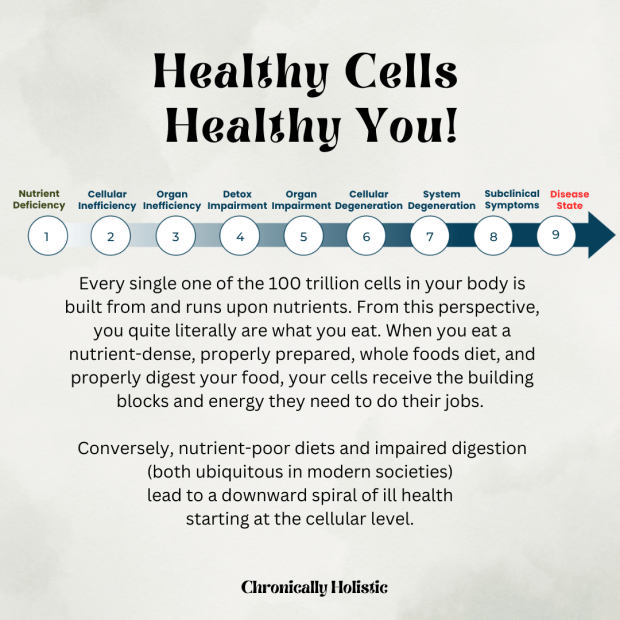
Healing isn’t just about avoiding harm—it’s about providing the body with what it truly needs. The Emotion Code reminds us that trapped emotions and unprocessed stressors can keep the nervous system locked in “fight or flight.” Pairing emotional release techniques with nutritional support builds resilience at the cellular and emotional level.

Foundational Nutritional Support

  • Magnesium-rich foods (leafy greens, pumpkin seeds, avocado) — critical for calming the nervous system, relaxing muscles, and reducing anxiety.
  • Omega-3 fatty acids (wild salmon, sardines, flaxseed, walnuts) — shown to support mood regulation, reduce inflammation, and stabilize neuronal membranes.
  • B vitamins (grass-fed liver, eggs, beef, dark leafy greens) — essential for neurotransmitter synthesis and energy production.
  • Mineral-dense foods (bone broth, sea salt, kelp, beets) — restore electrolytes, supporting adrenal function and overall resilience.
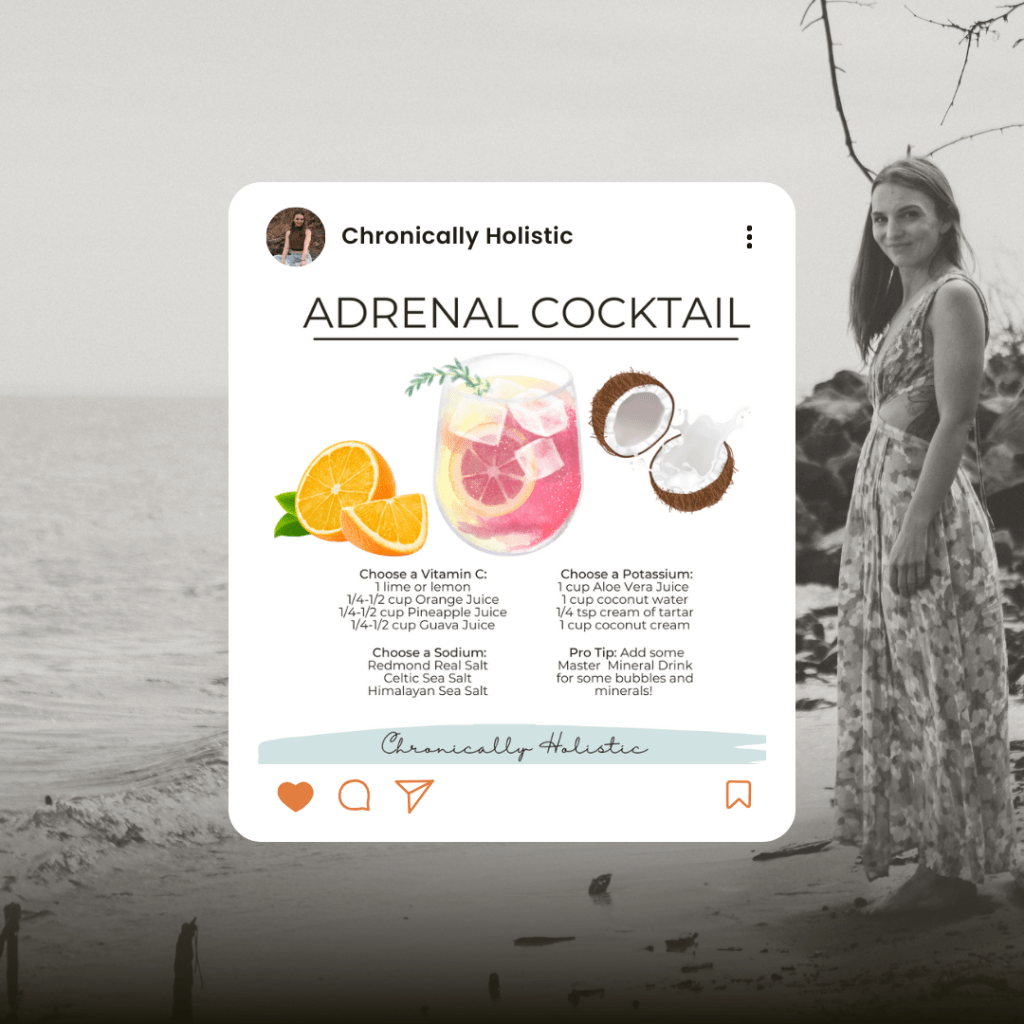
  • Whole-food vitamin C sources (citrus, kiwi, bell peppers, acerola cherry) — vital for adrenal repair and nervous system balance

Nervous System Practices

  • Heart-focused breathing — slowing and deepening the breath signals safety to the vagus nerve.
  • Grounding foods + grounding habits — root vegetables and mindful movement help the body feel safe and supported.
  • Releasing trapped emotions (The Emotion Code technique) — identifying and processing unresolved emotional energies allows the body to shift out of chronic stress.
  • Daily safety rituals — creating a calm environment, practicing gratitude, and limiting toxic inputs (chemicals, negative media, processed food) reinforces stability.

The Takeaway

Your nervous system doesn’t need more stimulation—it needs restoration. True resilience is built when emotional release, nutrient density, and nervous system support come together.

✨ Ready to uncover what your body truly needs? Let’s work 1:1 to identify your deficiencies and support your nervous system. Connect with me here: chronicallyholistic.com/how-to-work-with-me

Book a free 15 minute consultation here: Schedule Your Call


Product Review: Earthmeal

Earthmeal Organics Review – A Nourishing Start or Just Another Bowl?

Purchase Earthmeal Discounted Here 💚

As a Functional Nutritional Therapy Practitioner, I always look at packaged foods through a lens of bio-individuality, nutrient density, and how a product supports foundational health pillars—digestion, blood sugar balance, mineral status, and beyond. So when I came across Earthmeal Oatmeal, I knew I had to dig into the label and test it for myself.

Here’s my take on whether it deserves a spot in your holistic kitchen:


🥣 The Ingredients: First Impressions Matter

Earthmeal prides itself on using clean, whole food organic ingredients—and that shows. The base blend includes:

  • Organic gluten-free rolled oats
  • Healing Herbs: Maca, Ashwagandha, Reishi, Ginger, Lion’s Mane
  • Seeds: Ground flax, Heirloom pumpkin seeds
  • Vitamin C: Camu camu, Goji Berries
  • Natural Sugars: Coconut sugar, figs and dates
  • Himalayan salt for electrolyte replacement and absorption

What I like:

  • No industrial seed oils, natural flavors, or synthetic vitamins (important for my MTHFR folks).
  • Fiber-rich seeds like chia and flax support digestion and hormone balance.
  • Coconut milk powder adds nourishing fats that help slow carb absorption—a win for blood sugar.

What I watch for:

  • Even natural sugars like dried fruit or maple sugar can spike blood glucose in some sensitive clients. Pairing this oatmeal with added protein or fat (think: pasture-raised collagen, a spoon of almond butter, or raw milk) can help blunt that spike.

🔬 Macronutrient Breakdown (per serving):

(Based on Earthmeal Blueberry flavor)

  • Calories: 280
  • Fat: 10g (from coconut, flax, chia)
  • Carbs: 36g (5g fiber, 9g sugar)
  • Protein: 6g
  • Sodium: 180mg
  • Calcium, Magnesium, Iron: trace amounts (from chia, oats, and Himalayan salt)

My take:
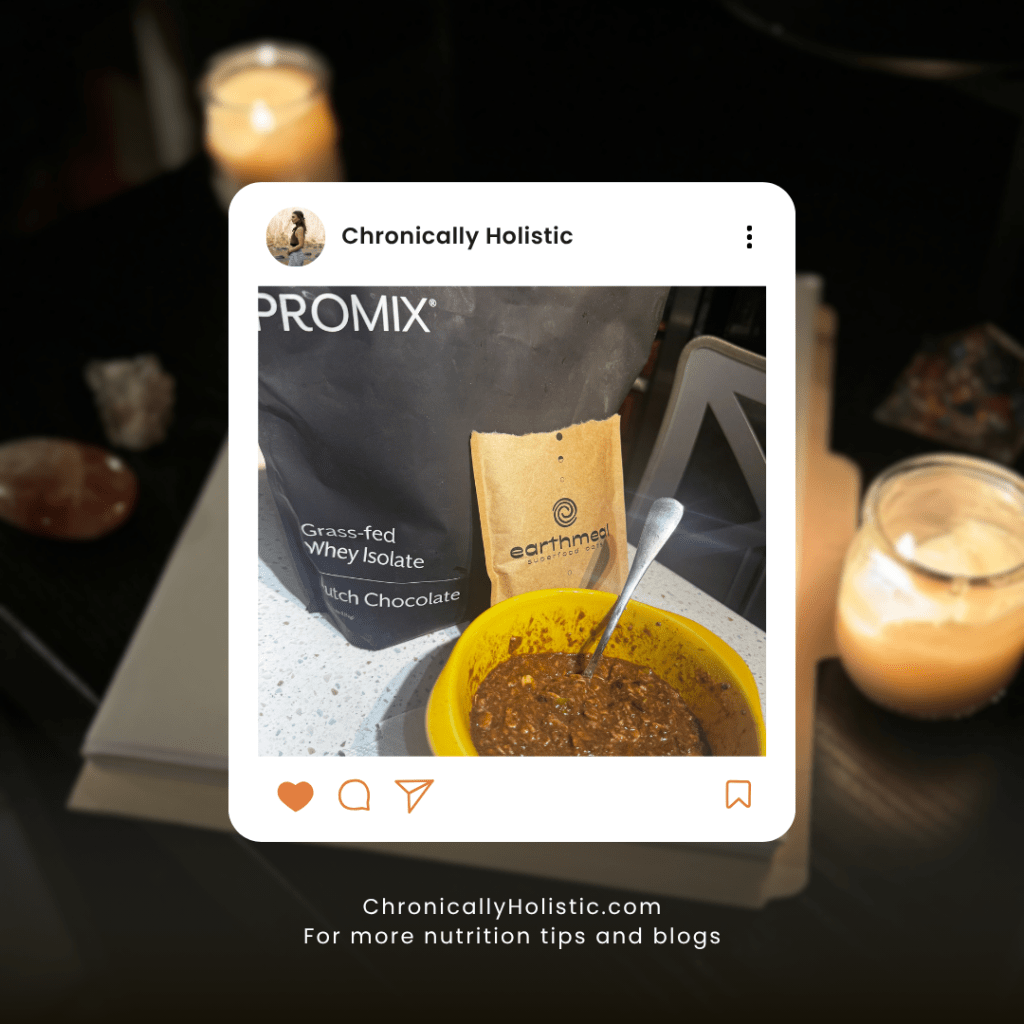
This is a carb-forward breakfast, but the added seeds and coconut fat help give it more staying power. I’d recommend increasing the protein—especially for blood sugar-sensitive or adrenal-fatigued individuals—by adding 1–2 scoops of protein or serving it alongside eggs. I used Promix chocolate in my own.


🌿 Holistic Highlights

Supports Digestion: The combination of soluble and insoluble fiber supports healthy motility and feeds beneficial gut microbes. Great for anyone looking to gently nudge sluggish digestion.

Blood Sugar Friendly (with tweaks): Without a protein or fat addition, the carb load may be too much for some. That said, it’s far better than instant oats or cereal thanks to the balance of whole food fats and fiber.

Clean Ingredients: Minimal processing and organic sourcing (where applicable) make this a solid grab-and-go option for travel, postpartum, or busy mornings.


✨ Who I’d Recommend This For:

  • Busy parents or professionals needing a clean, quick option
  • Clients rebuilding digestion who don’t tolerate heavy breakfasts
  • Postpartum moms needing mineral-rich, comforting food
  • Clients on elimination diets (it’s dairy-free, gluten-free, and soy-free)

❌ Who Might Need to Skip or Modify:

  • Those on very low-carb, ketogenic, or carnivore diets
  • Clients with Candida or high blood sugar who react to fruit sugars
  • Anyone needing more robust protein first thing in the morning, I recommend to try to it eat along side a meat!

🌟 Final Verdict

4.5/5 stars
I didn’t love it first taste but am now OBSESSED! Earthmeal Oatmeal is thoughtfully crafted and aligned with many holistic nutrition principles. With a little personalization—especially adding protein—it can be a nourishing, grounding way to start the day. It’s not a one-size-fits-all solution, but it’s definitely a step up from conventional oatmeal.

Pro Tip:
If you’re looking to level it up, try this:
➡️ Stir in collagen peptides + raw milk or kefir
➡️ Top with mineral-rich sea salt, cinnamon, and a spoon of tahini for added copper, magnesium, and fat.

Use the code: HOLISTICKATE for an additional 25% off 💖

The Calcium Shell & Digestion: When Protection Blocks Healing

The Calcium Shell & Digestion: When Protection Blocks Healing
By Chronically Holistic

I’m a raw milk-drinking gal now—but before I got here, I had to break up a massive calcium shell.

For those unfamiliar, a calcium shell shows up when calcium levels are cellularly high—typically over 165 mg% on a Hair Tissue Mineral Analysis (HTMA). It’s one of the most common patterns I see in my practice, and it’s a major roadblock to healing that’s often missed or misunderstood.

If you’re stuck in your health journey despite doing “all the right things,” this might be the hidden culprit.

This blog is dedicated to unpacking what a calcium shell is, how it forms, and how we begin to gently break it down—so the body can move from survival mode back into a place of safety, connection, and real healing.

I believe the body always acts in service of survival—even when those protective mechanisms begin to interfere with your ability to heal and thrive. One of the most telling signs of long-standing emotional stress and unresolved trauma in the body is a mineral pattern known as the calcium shell.

This pattern can be detected through a Hair Tissue Mineral Analysis (HTMA) and is a clear signal that the body is in a chronic state of overwhelm. If you’ve tried every healing protocol under the sun but still feel stuck—fatigued, foggy, disconnected—the calcium shell may be at the root.


What Is a Calcium Shell?

A calcium shell is a biochemical coping mechanism—a literal mineral shield that the body builds when it no longer feels safe. It’s most commonly the result of prolonged emotional stress or unresolved trauma, and it shows up as extremely high calcium levels on an HTMA (typically above 165 mg%).

Calcium is a naturally calming mineral, and in a high-stress environment, the body may use it to numb emotional pain and buffer itself from outside threats. Instead of depositing calcium where it belongs (in the bones and teeth), it begins to store it in soft tissues—like the joints, kidneys, arteries, brain, and even the thyroid.

This does not mean dairy or calcium is bad. It means you are not properly getting the calcium into the cells due to stress and depletions. I use diet, supplements and lifestyle adjustments to help “break” the calcium shell.


Emotional and Physical Signs of a Calcium Shell

People with a calcium shell often describe feeling emotionally flatlined or “frozen.” Symptoms may include:

  • Apathy, disconnection, numbness
  • Depression or low motivation
  • Brain fog
  • Withdrawal or isolation
  • Chronic fatigue
  • Joint and muscle pain
  • Cold hands and feet
  • Constipation and sluggish digestion
  • Hormonal imbalances

Physically, this misdirected calcium can contribute to or worsen conditions like:

  • Osteoporosis or osteopenia
  • Fibromyalgia
  • Hypothyroidism
  • Arthritis
  • Kidney stones or bone spurs
  • Heart disease (due to arterial calcification)
  • Poor dental health or premature graying

In essence, your body is trying to help you cope—but in doing so, it slows everything down. Metabolism, mood, motility… all become compromised in this “freeze” state.


How Does a Calcium Shell Develop?

The most common drivers of a calcium shell are:

  • Chronic, unrelenting stress
  • Unresolved emotional trauma
  • Incorrect supplementation (especially with calcium and vitamin D)
  • Excess dietary calcium from fortified foods or misguided supplementation for bone health

Many people unknowingly worsen a calcium shell by taking multivitamins or calcium supplements, especially when trying to reverse bone loss. But if calcium isn’t being directed properly—without adequate co-factors like vitamin K2 (MK-7), vitamin A, and iodine—it ends up where it shouldn’t be.


Healing the Calcium Shell: A Slow, Gentle Process

Breaking up a calcium shell requires time, safety, and support. As the shell begins to dissolve, long-buried emotions may resurface. This is why working with a trained practitioner who understands the emotional and biochemical layers of healing is essential.

We begin by gently supporting the body’s ability to redirect calcium into the bones. This often involves:

  • Supplementing with vitamin K2 (MK-7)—without vitamin D
  • Supporting detox pathways and drainage
  • Addressing emotional root causes through trauma-informed practices
  • Making dietary shifts to rebalance minerals
  • Slowly reintroducing a sense of safety into the nervous system

As the body unravels the protective calcium shell, you may notice temporary detox symptoms like joint pain, mood swings, or migraines. These are signs the body is mobilizing stored materials and emotions. This work is deep, and it requires your gentleness and patience.


Awareness Is the First Step

Most people think more calcium is always better, but that’s only true if your body is placing it where it belongs. If you feel like something deeper is keeping you stuck in your healing journey, it may be time to consider HTMA testing.

Unlike blood work, which gives a snapshot of a single day, the HTMA provides a three-month view of mineral trends in the body. It not only tells us how much calcium is present, but also where the body is directing it—and whether it’s time to gently dismantle the shell.


Ready to Learn More?

At Chronically Holistic, I offer HTMA testing as a standalone option or as part of a multi-month healing program. If you’re curious whether a calcium shell may be holding back your progress—or want to explore how stress and mineral imbalance might be playing a role in your symptoms—let’s talk.

Reach out via our contact page or email us directly at ChronicallyHolistic@gmail.com


You were built to heal. Sometimes, you just need the right map—and someone who knows how to read it.

How to Regulate the Nervous System 101.

I don’t know about you, but I didn’t really learn how to regulate my nervous system until I was a grown adult. We have all heard the saying, “you cannot pour from an empty cup,” well you also can’t function properly if your nervous system is fried.

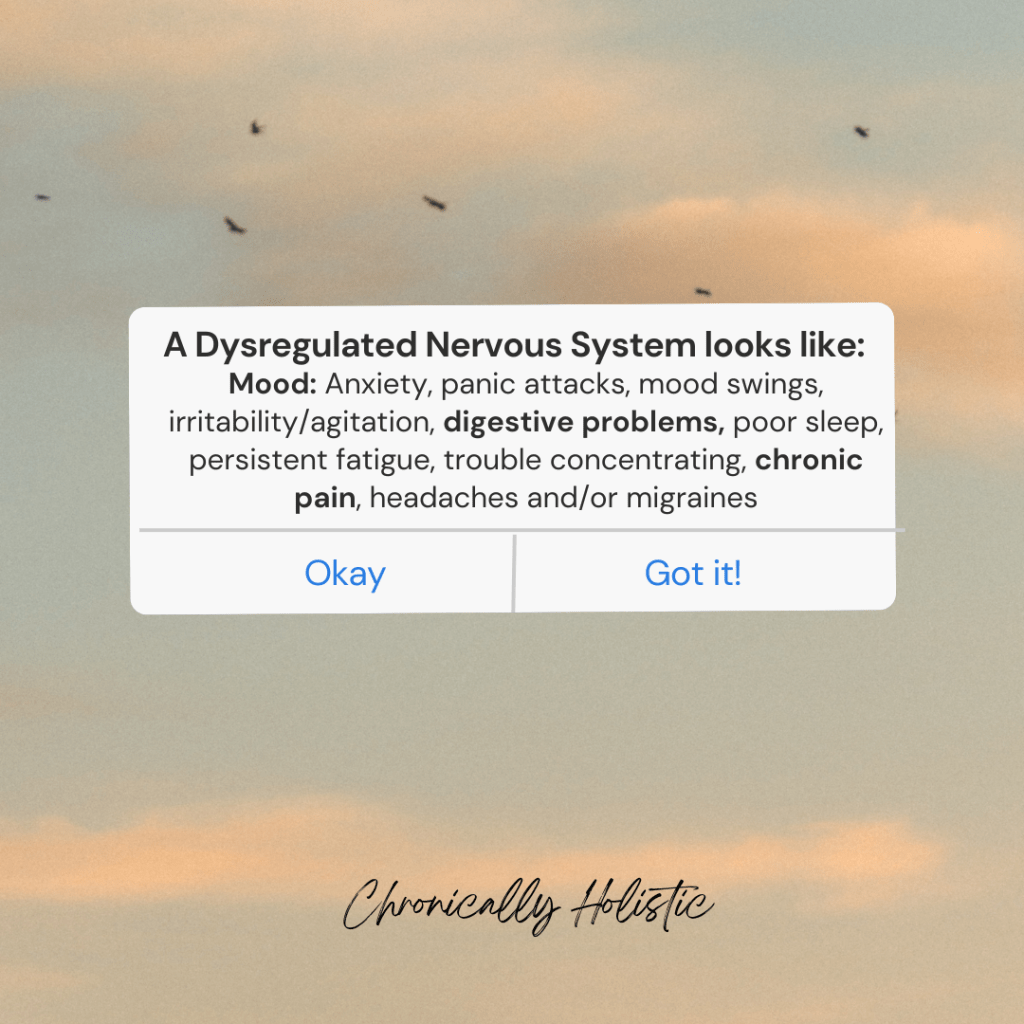
Your nervous system is your body’s command center. It influences everything from your hormones, immune system, digestion, mood, sleep, and much more. That’s why many are turning to nervous system regulation to improve their health and happiness.

What is the Autonomic Nervous System?

The autonomic nervous system (ANS) is part of your nervous system that controls involuntary processes like breathing, heart rate, and digestion.

There are two divisions of the autonomic nervous system:

  • The sympathetic nervous system: Also known as the ‘fight or flight’ response, this division mobilizes your body’s resources to respond to stressors. Basically, this system acts as your gas pedal.
  • The parasympathetic nervous system: Nicknamed ‘rest and digest’ mode, this division promotes relaxation and helps you maintain a sense of calm. This system serves as your brake pedal.

Both systems are important. The sympathetic nervous system helps you spring into action when you encounter stress — and the parasympathetic nervous system helps you recover and recharge.

What is Nervous System Dysregulation?

Nervous system dysregulation is when the two systems get out of balance. This can happen due to a poor diet, stress, trauma, overwork, poor sleep, or toxin exposure. This is where I come in to help determine the stressor.

If the sympathetic nervous system becomes dominant, stress hormones shoot up. This can lead to anxiety and agitation.

On the flip side, if the parasympathetic nervous system becomes overly active, you may feel lethargic and apathetic.

Healthy Nervous System Regulation

A healthy nervous system is flexible. Meaning, it shifts from survival mode (sympathetic activation) back to safety (parasympathetic activation) with relative ease.

The trouble is, between bills, traffic, and overpacked schedules, modern life throws stress at us every day. On top of that, thanks to our fast-paced lives, most of us don’t carve out enough time to rest and recharge.

No wonder nervous system dysregulation has become the norm! Luckily, there are many simple things you can do to restore balance to your nervous system.

Nervous system regulation is the ability to calm your nervous system.

I have tools listed below. Each one sends a safety signal to your brain to bring your nervous system back into balance.

I use hair tissue and mineral analysis in my practice to help determine what minerals you are in need of and what lifestyle and metabolism fits you.

Tools to Balance your Nervous System:

Tool #1 Mindfulness:

Awareness is the first step to changing anything, including your nervous system. Your thoughts, emotions, physical sensations, and responses to external stimuli can all trigger stress.

The more you stay in the present moment, the more you notice the subtle signs of stress. And the earlier you catch it, the easier it is to come back into balance.

Therapy is an amazing tool here to help you challenge your mindfulness and nutriotional goals. Here is a DIY list:

  • Observe your thoughts. Take note anytime you’re ruminating about the past or worrying about the future. Notice your thoughts without judgment and gently bring yourself back to the present moment.
  • Engage your 5 senses. When you’re going about your day, tune into what you see, hear, feel, smell, and taste in each moment.
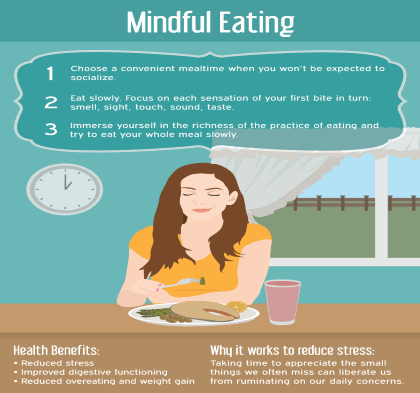
  • Mindful eating. Eat meals free of distractions. Put all your attention on your food, appreciating the subtle nuances of flavors.
  • Try single tasking. Resist the urge to multitask and do one task at a time, whether that’s driving, doing the dishes, or sipping a cup of coffee.

Practicing mindfulness helps you become aware of your thoughts, emotions, sensations, and surroundings in the present moment, without judgment. That way, you can build awareness of the current state of your nervous system and know when to use your tools.

Tool #2: Breathwork

When stressed, your breathing becomes shallow and fast. But when relaxed, breathing is slow and deep.

The good news is, you can consciously change your breath to influence your nervous system. Taking slow, deep breaths calms your nervous system and sends signals to your brain that you’re safe.

The following are a few breathwork techniques that can help regulate your nervous system. Play around with them anytime you feel anxious, worried, or restless.

Breathing Techniques:

  • Box Breathing: Inhale slowly through your nose for 4 counts and hold your breath in for 4 counts. Then exhale slowly through your nose for 4 counts and hold your breath out for 4 counts. Repeat for 10 or more rounds. Here’s a video demo.
  • Physiological sigh: Popularized by neuroscientist Dr. Andrew Huberman and also known as cyclic breathing. Take two deep inhales through your nose, followed by one long slow exhale through the mouth. Here’s a guided walk-though.
  • Alternate Nostril Breathing: As the name suggests, this yoga technique involves breathing through one nostril at a time. It’s said to balance the right and left hemispheres of the brain. This video will show you how to do it.
  • Belly Breathing: Also known as diaphragmatic breathing, this breath pattern stimulates the vagus nerve to help trigger the relaxation response. Breathe slowly through your nose, letting the air go deep into your belly.

Tool #3: Movement:

Exercise has endless benefits for your physical and mental health. It burns off stress, relieves muscle tension, boosts your mood, and improves sleep qualityall of which benefit your nervous system.

Just don’t overdo it. Intense exercise without enough recovery time can add more stress into the mix. So if you’ve been dealing with chronic stress for some time, stick to light to moderate exercise for now. I use your hair test here to help guide you what exercise would benefit you.

Here are some of the best exercises to help regulate your nervous system:

  • Mindful Movement: Yoga, tai chi, and chi gong are all examples of mindful movement that help calm the nervous system. These practices help you slow your breath, tune into your body, and release tension. Try them anytime you need to instill some inner calm. If you’re new to mindful movement, here’s a beginner’s yoga class to get you started.
  • Light to Moderate Exercise: Walking, dancing, biking, swimming, jogging, or hiking all help you get in your body and let go of stress. Not to mention, they improve circulation and trigger the release of endorphins, your body’s natural feel-good chemicals. So the next time you’re feeling edgy, go for a walk or put on a playlist and dance it out.

Tool #4 Nature (my favorite)

Nature can be incredibly calming to the nervous system.

In fact, forest bathing (aka spending time immersed in natural settings), is shown to lower your blood pressure, heart rate, and levels of the stress hormone cortisol.

Try to squeeze in outdoor time any chance you can. Garden, go for a hike, hit a local park, or simply sip a cup of tea on your back porch and listen to the birds. Your nervous system will thank you.

What is grounding?

Grounding, also known as earthing, is the practice of making direct contact with the Earth. This connects you with the electrical charge of the Earth’s surface, which can, in turn, help ground your nervous system.

Grounding has been shown to reduce inflammation, ease stress, relieve pain, improve sleep, and much more. Best, of all, it’s free and easy to do!

Here are a few ways to practice grounding:

  • Walk on the grass barefoot
  • Lie on the ground
  • Garden
  • Take a walk on the beach or play in the sand
  • Submerge your body in a natural body of water
  • Try a grounding tool like earthing shoes or an earthing mat

Tool #5: Vagal Toning:

Stimulating this Vagal nerve helps you feel relaxed in a healthy parasympathetic mode. I enjoy dry brushing on the back of your vagal nerve behind your neck or sacral area.

We can’t all afford spa days, but here are some affordable at home oprions:

  • Singing, humming & gargling: The vagus nerve is connected to your vocal cords. Anytime your vocal cords vibrate, it activates your vagus nerve. So if you needed another excuse for some carpool karoake, there you have it! If singing isn’t your thing, humming and gargling can have the same effect.
  • Laughter: When you have a good laugh, it activates your diaphragm, which stimulates your vagus nerve. Laughter also reduces anxiety, boosts your mood. and strengthens your immune system. So look for opportunities to laugh whenever you can. Watch funny movies or TV shows, hang out with funny friends, or read funny books.
  • Cold water therapy: Exposing your body to cold water stimulates the vagus nerve. And you don’t have to do a full-on ice bath to see benefits! Just splash your face or end your shower cold.

Tip #6: Somatics

Photo by Daria Obymaha on Pexels.com

When your nervous system is dysregulated, it’s easy to get stuck in your head. Somatic practices help pull you back into your body. That way, you can pick up on stress and tension before it gets out of hand. Here are a few somatic tools that may help:

Physical touch: Physical touch eases stress and helps you feel relaxed. Anytime you get skin to skin contact, whether that’s through hugging, cuddling, holding hands, or enjoying a massage, it triggers the release of oxytocin, the “love hormone” that promotes feeling of well-being. As an added bonus, when you connect with someone in a regulated state, it helps shift YOU to a more regulated state too, through the power of co-regulation.

Emotional Freedom Technique: EFT, also known as “tapping,” is a somatic therapy technique that can help release physical and emotional tension. It involves tapping on certain acupoints while focusing on a negative thought or belief that’s causing you distress. Research suggests it can reduce stress and anxiety and even helps ease symptoms of PTSD. If you’re new to EFT, here’s a video to help you get started.

Making an appointment

As we all know, the healing journey isn’t just about addressing the physical—it’s also about regulating the nervous system. This is an area where many of us, including myself, get stuck. Understanding how to manage this vital aspect of health is transformative.

The connection between heavy metals, toxins, and low minerals is significant—and all of these factors impact your nervous system. By addressing these and practicing grounding and breathwork, your body will better handle life’s little emergencies with resilience and ease.

Talk therapy and Nutritional Therapy is located conveniently inside Grey Matter Counseling in Bel Air, MD. ‘

Services available by appointment only. Services Include: Talk Therapy, Ketamine Assisted Psychotherapy (KAP) at Grey Matter Counseling & Consulting, Coaching and Consulting, Nutritional Therapy and Massage.

To book a nutritional service with me, please click here.


Your stress bucket 🪣

You can eat a 100% organic farm raised diet and still be “unhealthy”. I was totally baffled for years why I was in so much pain but eating so “clean”. Just as you can’t dress like a football player and expect to jump into a professional game and nail it, you also can’t eat healthy and ignore other stressors on your body and expect to be healthy. Food is the basic support to our body and is essential, but there is so much more that contributes to our wellness.

If this is you, then kudos to you! If you’re here though you are probably suffering in some aspect and here for curiosity or guidance.

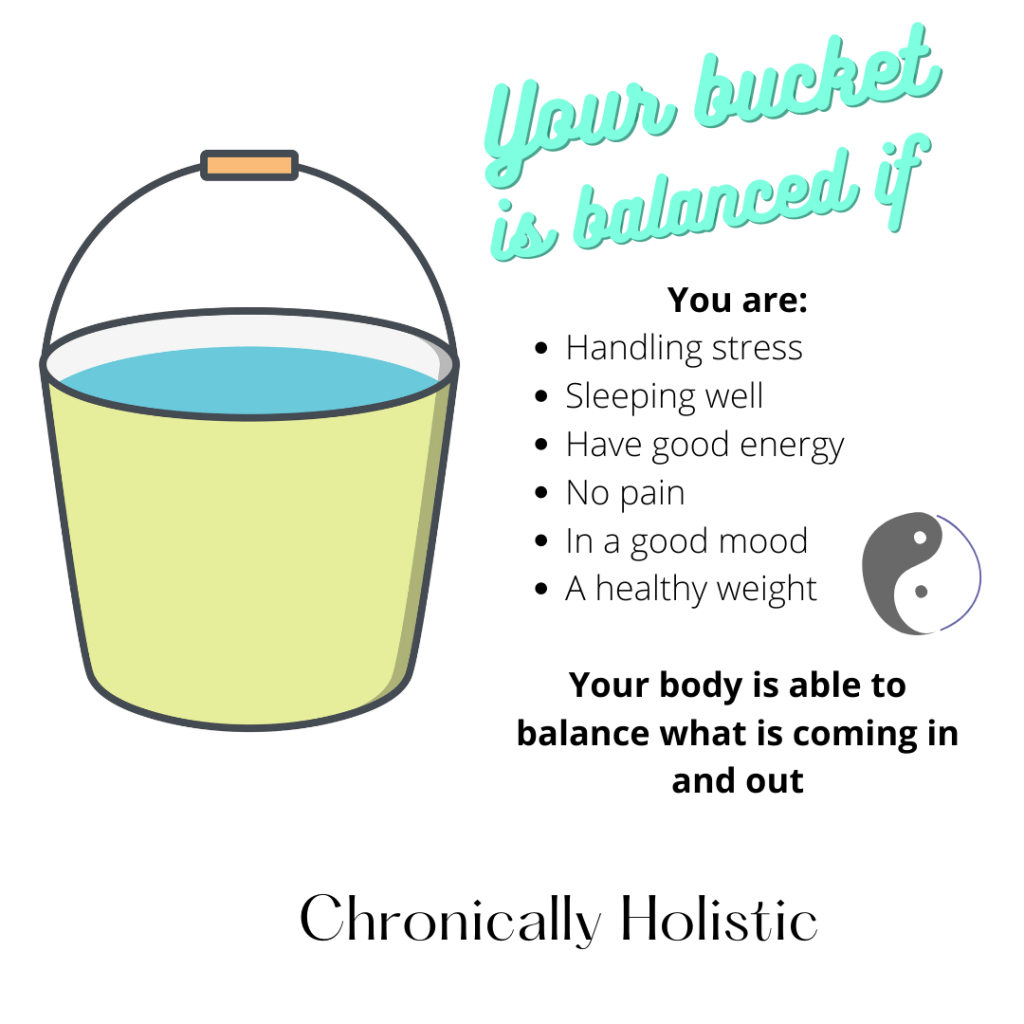
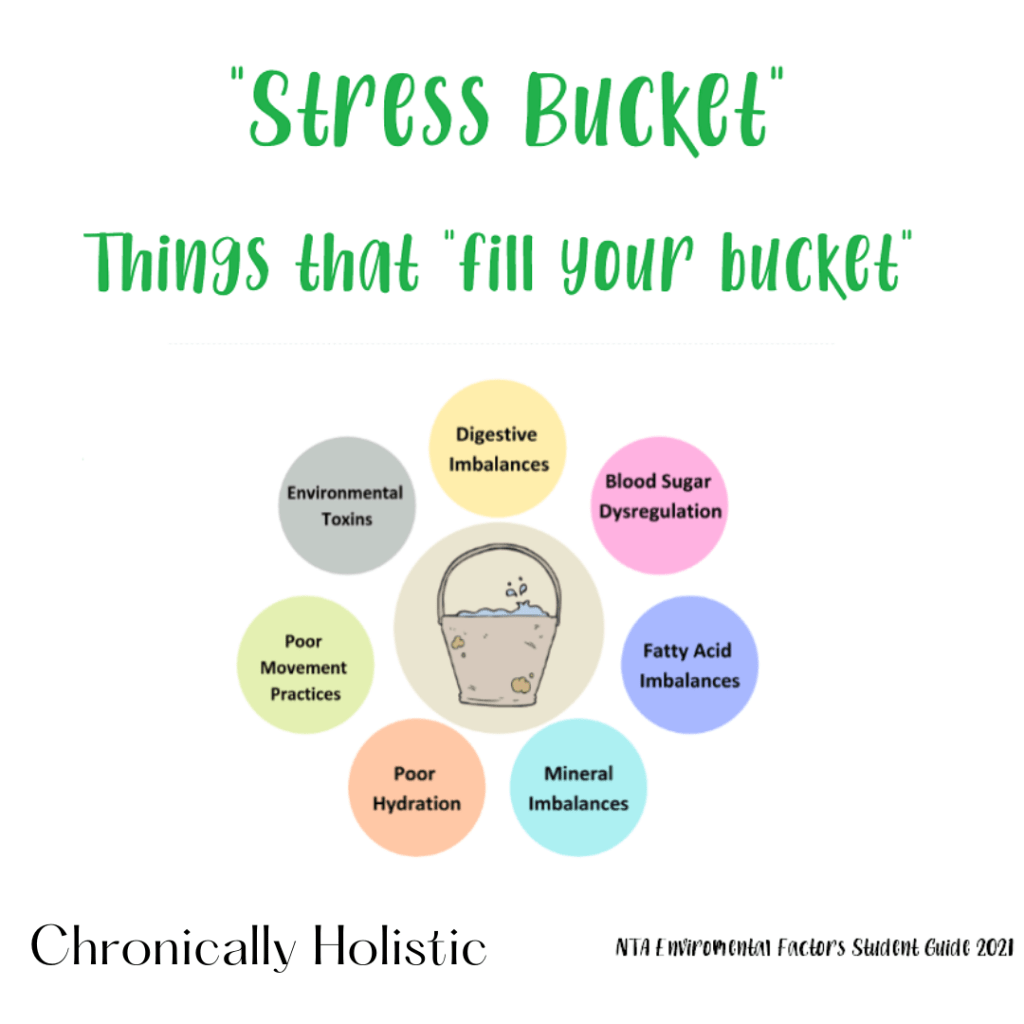
Your body is similar to a bucket. It can only take on so much before it “overflows” or in your bodies case, goes into overdrive which then results in our symptoms and illnesses.

There are many ways our body detoxs and rids our body of toxins and stresses. If your bucket is full then there is no room for more water to come in. I’m not saying you are supposed to live a stress free life, but one that your body can handle and stay balanced. Obvious stressors include visible stress, but many of us (myself included) had hidden stressors from your diet, environment and immune that are not obvious!

This is why it’s so important to look at healing your body as a whole and not at only the symptoms. On top of this every body is different. This is why some diets, detoxes and supplements work for some but not others. I have been there! It is frustrating, time consuming and expensive! Don’t give up if you’re suffering, there is light at the end of the tunnel. You just haven’t found your bio individualized plan to help you heal yet.

Here are some tips on how to balance out your “bucket flow”

  • DRINK MORE WATER! This is soo simple and widely known, yet most of our health issues are from cellular dehydration! Drinking GOOD drinking water and enough of it is always my #1 go to for health concerns, especially if they are new!
  • Correct digestive concerns: look into food reactions, sensitivities. Gut health is soo important to your health!
  • Eat a whole food diet: this will help balance out any blood sugar, fatty acid, mineral and detoxification issues. Everyone is individualized, so there is no one size fits all diet approach, but eating whole nutritious food is a great start! Check out other blogs on how to eat cleaner and how to clean out your pantry
  • Avoid environmental factors: Now you can’t live in a filtered bubble and avoid all toxins but there are some easy lifestyle changes to decrease your toxic load dramatically. Check out previous blogs on how to live a more chemical free life.

If this interests you and your looking for a way to get healthy for your individual health needs click the “how to work with me tab” to get on my list. I would love to guide you into becoming the best you. I will be accepting clients in August 2021!

How to help your Immune System Function at it’s best this Winter

A fever any day at any age promotes instant fear, especially during the pandemic. It’s even scarier if you are a mom because kids get sick and get fevers. I have had a lot of health issues, but luckily I have not been “sick” for over three years. Prior to to this I was reliant on antibiotics and Tylenol every winter. By overusing medication when it wasn’t absolutely necessary I weakened my immune system by depleting something called glutathione. The only way I discovered this is was from a very accurate and personalized blood test that tested my blood at a cellular level ran by a naturopath. Which means I got to see how my cells were working not how a blood level looked. If you didn’t pay attention in science class we are entirely made out of cells! Every muscle in our body, to organ to our self (organism) is made of cells. So functioning on a cellular level is beyond important. For me this meant my blood levels looked okay, but on a cellular level the minerals, vitamins and antioxidants such as glutathione were not being absorbed/produced or used properly. A lot of things can cause this such as; Chronic Illness, Medication Overuse, Chronic Stress and a Poor Diet (everything always comes back to nutrition!). Sadly, most of American’s suffer from one if not all the above causes. I am hoping to help educate you on when you need to treat a fever and how to keep your immune system working in full gear for this upcoming winter season. As always remember this is my personal not medical advice, always seek professional help if you need medical attention.

Glutathione’s Role in Your Immune System.

Glutathione is one of the body’s most important and potent antioxidants.! Antioxidants are substances that reduce oxidative stress by combating free radicals in the body (Berkheiser, 2018).

By taking medications such as Tylenol when not needed you are suppressing and depleting this great antioxidant! Other causes listed above are chronic illness, stress and a poor diet. This is why it is important to treat your body well because although you may not think it is important, it is on a cellular level to survive and stay healthy!

Glutathione: Benefits, Side Effects, Dosage, and Interactions

The Critical Roles of Glutathione (Pizzorno, 2014) :

  • It helps protect against oxidative stress (breakdown of cells from exposure to chemicals and toxins)
  • Cofactor for several antioxidant enzymes
  • Regeneration of vitamins C and E
  • Neutralization of free radicals produced by Phase I liver metabolism of chemical toxins
  • Transportation of mercury out of cells and the brain
  • Vital to mitochondrial function and maintenance of mitochondrial DNA (mtDNA)

When do you need to treat a fever?

Fevers are not necessarily dangerous.  The infection may be! A fever is certainly scary but it isn’t always an emergency if you or your little one has a high fever. Fevers stimulate a strong immune response in our bodies which can quickly eliminate pathogens (infection). We want that immune system to kill the infection and not suppress it with medications. Many people panic when they see a fever of 100° F in fear that their child or self will develop brain damage and rely on an antipyretic such as Tylenol or Motrin. An actually temperature is not considered a fever until the it reaches greater than 100.4° F with a rectal thermometer. I read a great post by My Friend the Pediatrician on Facebook. It basically says to follow your gut and observe your child or yourself. You know your body or your child’s more than anyone else! Here are a few things to consider before treating with medication:

  1. Pay attention to your body or child’s body more than the temperature reading. If you or your child is acting in a way that you are concerned, that is more important than a temperature reading. This is when medication and a phone call to your doctor is needed. Lethargy, not crying for infants, and no wet diapers or tears for children can be signs the infection is worsening, there is trouble oxygenating or dehydration. These signs no matter of the temperature warrant not only a call to the doctor but a trip to the hospital.
  2. A fever between 100-100.4 is safe if you or your child are not showing signs of distress or dehydration listed above. You want to fight off those bugs and keep your immune system working non suppressed.
  3. Fussiness or crankiness is not a reason to treat with medication. If you don’t feel good you are not going to be in the best mood! Now if your are cranky because you broke your leg then I think some pain medication is warranted! Otherwise let your immune system work, rest, give or get cuddles and eat the best food you can get down. Always call your pediatrician or doctor if you are concerned.
  4. With all this being said.. it is NEVER normal for an infant under age 3 months with a fever (greater than 100.4° F). This warrants a call to your pediatrician and needs to be checked out immediately.

How to boost your Immune System?

  • Try to incorporate a variety of leafy vegetables, fresh fruit and good quality meats to get in Vitamin C, Sulfur, Selenium and naturally occurring Glutathione! These vitamins, minerals and antioxidants help promote a healthy immune system. Examples include:
    • Strawberries (Vitamin C)
    • Citrus fruits (Vitamin C)
    • Kiwis (Vitamin C)
    • Peppers (Vitamin C)
    • Broccoli (Sulfur)
    • Brussels sprouts (Sulfur)
    • Cauliflower (Sulfur)
    • Mustard greens (Sulfur)
    • Cottage cheese (Selenium)
    • Brown rice (Selenium)
    • Brazil nuts (Selenium)
    • Good quality meats (Selenium)
    • Spinach (Glutathione)
    • Avocados (Glutathione)
    • Asparagus (Glutathione)
  • Avoid alcohol, this has been proven to directly increase liver stress which makes it harder for your body to detoxify and function on a cellular level. This is especially important if you are sufferings from chronic illness, stress or nutritional deficiency.
  • If you are sick and none of those foods sound appetizing (I don’t blame you) make some homemade bone broth with some good quality bones (organic if available). I make this a couple times a month to cook with and have a stash if I need to sip on some soup or broth when I need a little immune boost! If you have an Insta-pot it is sooo easy to make and so yummy! Here is how I make mine:
    • Place all your bones (beef or chicken) in the instapot.
    • Add 6-8 cups of filtered water
    • Add 2-3 cups of vegetables, bonus if you add some from the list above. Fresh is better but frozen is better than none.
    • Add garlic, onion/shallots/leaks
    • Fresh or dried herbs, Salt and Pepper
    • Cook on HIGH for 1 hour
    • Let cool and strain and freeze for cooking or sipping! If you did it right it should be a gelatinous texture after cooled or refrigerated.

I hope you have a healthy winter and healthier immune system always!

References:

Berkheiser, K. (2018, April 25). 10 Natural Ways to Increase Your Glutathione Levels. Retrieved October 17, 2020, from https://www.healthline.com/nutrition/how-to-increase-glutathione

Pizzorno J. (2014). Glutathione!. Integrative medicine (Encinitas, Calif.)13(1), 8–12.

Intuitive Eating

Intuitive eating has changed my life. I eat good food when I am hungry and I enjoy a treat within reason. Intuitive eating is defined as, “eating is based on physical hunger rather than prescriptions from diet books and experts. Eating should satisfy physical hunger without causing guilt”.

Intuitive Eating vs. If It Fits Your Macros - FIERCE AND STRONG

I don’t count my calories. That is a scary statement for almost every female not satisfied with their body and weight. I also don’t count my steps, I do light intensity work outs when I have the energy, I don’t weigh myself, I eat good food when I am hungry and follow the 80/20 rule. I know when I talk about “dieting” people can get disgusted with me because of my size. Everyone’s body is made to be a certain size, the biggest goal anyone should have for themselves is to feel healthy and comfortable in their body. I have been at both ends of the spectrum from too thin to overweight. At neither end did I feel comfortable or healthy. I don’t read into nutrition labels for anything other than nutrition and mainly focus on the ingredients. I believe in intuitive eating, a balanced diet with health y food and indulging with out guilt…and I am in the best shape of my life! Yes a simple science of subtracted x amount of calories a day will equal in weight loss, but you also are going to stress yourself out by tracking and stress yourself out when you aren’t perfect… and your body doesn’t function well under stress. So in turn, your anxiety and obsession with your weight and diet will only leave you stressed unhappy and not working properly. Lacking energy, anxiety and chronic pain have been issues I have suffered with on top of body confidence issues…and I know I am not alone. That’s why I am promoting a healthy lifestyle so others can begin to heal and feel better!

7 Steps To Mindful Eating! | The Tao of Dana

Stress and weight loss.

We all have stress in our daily lives. Especially in our current state with Covis-19. But even “pre-virus”, we were obsessed with our weight status. Most women have measured their bodies before and step on the scale obsessively. We obsess over how many steps we took and how many calories we ate and burned. We work long and odd hours and all have families or other obligations that make healthy eating the last thing on our radar. A lifestyle change is the secret to looking and feeling your best. That’s the truth but no one wants to hear it. Simply eating good food when you are hungry, recognizing emotional eating habits and make peace with your food choices. The answer is not a supplement, not a calorie restricting diet or a new cream filled with chemicals to help shrink your legs. Sadly, we know this but we like the fast paced, instant gratification, convenient lifestyle. I’m American, so I enjoy these things as well… but I enjoy feeling good and living a healthy lifestyle more!

What does stress do to our digestive system?

  • Decreased blood flow and oxygen to the gut. You know how important I think the gut is to your overall health so this is an important reason to de-stress.
  • Decreased metabolism. Slowing this down will keep you from burning those those pounds you are stressing over losing so badly about.
  • Decreased nutrient absorption. Being in a chronic stress state will not allow your gut to work properly and absorb the nutrients needed for your cells and body to function at it’s best.
  • Increases your food sensitivities. When you are stressed you don’t digest food, and your gut becomes more leaky and inflamed. Once this happens your body can easily become sensitive to inflammatory foods.
See the source image

So how do you eat healthy without counting your calories or “macros”?

You should follow a balanced diet but you don’t have to count your calories to do so. You simply have to fill your plates with real nutritious foods with emphasize on filling your late with good fats, vegetables, fruits, grains (if you tolerate the) and protein! You should be able to eat as much “real food” as you want to fill yourself and not have to worry about the caloric amount in it. I personally eat every 2-3 hours, but everyone is different. You should eat when hungry and eat enough to where you are full but not overstuffed. Over eating causes digestive issues and the gut and digestion plays an important part of our health.

Eat less processed food! Try to cut back to a processed food item to a few times a day and workup to one if none. There is nothing as “healthy processed food “. Yes- there are healthier options, but if it is in a bag and has more than one ingredient… it’s processed.

Make leftovers. Make a big batch of sauteed veggies, beans, rice, quinoa etc. Having easy access to real prepared food makes it easier to get in nutritious foods while saving you cooking time. You can always freeze meals also. We do this all the time if we know we don’t want leftovers and then you have something for work or in the future when you don’t feel like cooking.

Enjoy a treat! Eating healthy doesn’t mean you can’t eat sweets. Eat a sweet without rationalizing about the calories and enjoy it. Remember it’s a treat, not ten cookies a day. Simply work on not over eating and watch out for emotional eating… and enjoy your treat!

See the source image

Mindfulness and the importance

  • Focus on just eating. We are all guilty of multi tasking and eating and driving. The easier way to start being mindful while eating is to put your phone away while you are eating! I have a hard time with this one but digestion actually starts with your sight and smell. By visualizing and smelling your food you begin to secrete digestive enzymes to aid in digestion. Without this you have to work harder to digest your food which leads to a slew of issues!
  • Be thankful and think of you food as nutrition and nourishing. Thinking of your food as fuel instead of calories allows you to enjoy your meal while focusing on the food to allow for those salivary glands to produce digestive enzymes.
  • Eat slow! This is why cutting back on multitasking and mainly focusing on eating can come in handy. Most of us do not chew our food well, leading again to digestive stress.
See the source image

So the secret is?

The answer is… a lifestyle change! Start small by trying to eat the rainbow daily. Then start adding in new foods and trying to not eatthe same food more than 3x a week. Food is fuel and we don’t appreciate our food as much as we should. Variety in our diet provides us our nutrients and good bacteria for our bodies to thrive. Eat good food 80% of the time and enjoy yourself the other 20%. You can learn to enjoy real nutritious food and move away from a processed chemical diet. It’s worth it and your brain and body deserve it. You deserve to feel better, enjoy life and simply be happier and more present. This is the magic answer to being healthy, not a secret pill or diet fad.