Intuitive Eating

Intuitive eating has changed my life. I eat good food when I am hungry and I enjoy a treat within reason. Intuitive eating is defined as, “eating is based on physical hunger rather than prescriptions from diet books and experts. Eating should satisfy physical hunger without causing guilt”.

Intuitive Eating vs. If It Fits Your Macros - FIERCE AND STRONG

I don’t count my calories. That is a scary statement for almost every female not satisfied with their body and weight. I also don’t count my steps, I do light intensity work outs when I have the energy, I don’t weigh myself, I eat good food when I am hungry and follow the 80/20 rule. I know when I talk about “dieting” people can get disgusted with me because of my size. Everyone’s body is made to be a certain size, the biggest goal anyone should have for themselves is to feel healthy and comfortable in their body. I have been at both ends of the spectrum from too thin to overweight. At neither end did I feel comfortable or healthy. I don’t read into nutrition labels for anything other than nutrition and mainly focus on the ingredients. I believe in intuitive eating, a balanced diet with health y food and indulging with out guilt…and I am in the best shape of my life! Yes a simple science of subtracted x amount of calories a day will equal in weight loss, but you also are going to stress yourself out by tracking and stress yourself out when you aren’t perfect… and your body doesn’t function well under stress. So in turn, your anxiety and obsession with your weight and diet will only leave you stressed unhappy and not working properly. Lacking energy, anxiety and chronic pain have been issues I have suffered with on top of body confidence issues…and I know I am not alone. That’s why I am promoting a healthy lifestyle so others can begin to heal and feel better!

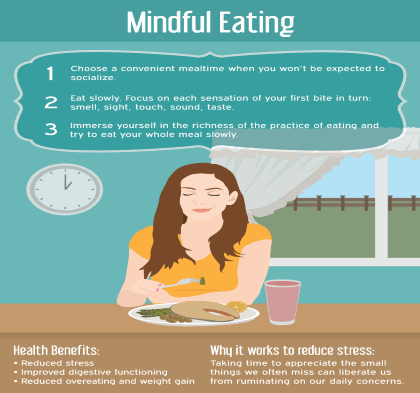
7 Steps To Mindful Eating! | The Tao of Dana

Stress and weight loss.

We all have stress in our daily lives. Especially in our current state with Covis-19. But even “pre-virus”, we were obsessed with our weight status. Most women have measured their bodies before and step on the scale obsessively. We obsess over how many steps we took and how many calories we ate and burned. We work long and odd hours and all have families or other obligations that make healthy eating the last thing on our radar. A lifestyle change is the secret to looking and feeling your best. That’s the truth but no one wants to hear it. Simply eating good food when you are hungry, recognizing emotional eating habits and make peace with your food choices. The answer is not a supplement, not a calorie restricting diet or a new cream filled with chemicals to help shrink your legs. Sadly, we know this but we like the fast paced, instant gratification, convenient lifestyle. I’m American, so I enjoy these things as well… but I enjoy feeling good and living a healthy lifestyle more!

What does stress do to our digestive system?

  • Decreased blood flow and oxygen to the gut. You know how important I think the gut is to your overall health so this is an important reason to de-stress.
  • Decreased metabolism. Slowing this down will keep you from burning those those pounds you are stressing over losing so badly about.
  • Decreased nutrient absorption. Being in a chronic stress state will not allow your gut to work properly and absorb the nutrients needed for your cells and body to function at it’s best.
  • Increases your food sensitivities. When you are stressed you don’t digest food, and your gut becomes more leaky and inflamed. Once this happens your body can easily become sensitive to inflammatory foods.
See the source image

So how do you eat healthy without counting your calories or “macros”?

You should follow a balanced diet but you don’t have to count your calories to do so. You simply have to fill your plates with real nutritious foods with emphasize on filling your late with good fats, vegetables, fruits, grains (if you tolerate the) and protein! You should be able to eat as much “real food” as you want to fill yourself and not have to worry about the caloric amount in it. I personally eat every 2-3 hours, but everyone is different. You should eat when hungry and eat enough to where you are full but not overstuffed. Over eating causes digestive issues and the gut and digestion plays an important part of our health.

Eat less processed food! Try to cut back to a processed food item to a few times a day and workup to one if none. There is nothing as “healthy processed food “. Yes- there are healthier options, but if it is in a bag and has more than one ingredient… it’s processed.

Make leftovers. Make a big batch of sauteed veggies, beans, rice, quinoa etc. Having easy access to real prepared food makes it easier to get in nutritious foods while saving you cooking time. You can always freeze meals also. We do this all the time if we know we don’t want leftovers and then you have something for work or in the future when you don’t feel like cooking.

Enjoy a treat! Eating healthy doesn’t mean you can’t eat sweets. Eat a sweet without rationalizing about the calories and enjoy it. Remember it’s a treat, not ten cookies a day. Simply work on not over eating and watch out for emotional eating… and enjoy your treat!

See the source image

Mindfulness and the importance

  • Focus on just eating. We are all guilty of multi tasking and eating and driving. The easier way to start being mindful while eating is to put your phone away while you are eating! I have a hard time with this one but digestion actually starts with your sight and smell. By visualizing and smelling your food you begin to secrete digestive enzymes to aid in digestion. Without this you have to work harder to digest your food which leads to a slew of issues!
  • Be thankful and think of you food as nutrition and nourishing. Thinking of your food as fuel instead of calories allows you to enjoy your meal while focusing on the food to allow for those salivary glands to produce digestive enzymes.
  • Eat slow! This is why cutting back on multitasking and mainly focusing on eating can come in handy. Most of us do not chew our food well, leading again to digestive stress.
See the source image

So the secret is?

The answer is… a lifestyle change! Start small by trying to eat the rainbow daily. Then start adding in new foods and trying to not eatthe same food more than 3x a week. Food is fuel and we don’t appreciate our food as much as we should. Variety in our diet provides us our nutrients and good bacteria for our bodies to thrive. Eat good food 80% of the time and enjoy yourself the other 20%. You can learn to enjoy real nutritious food and move away from a processed chemical diet. It’s worth it and your brain and body deserve it. You deserve to feel better, enjoy life and simply be happier and more present. This is the magic answer to being healthy, not a secret pill or diet fad.

Supplements: Real Food vs. Supplementation

How do you choose where to buy and what supplement to get?

Let’s start out by saying that you should aim to get all nutrients from your diet. Using supplements should not be a long-term fix. They are great while you are healing or fighting an illness, if your diet lacks certain nutrients (vegetarians or vegans), or if you need help stabilizing your blood levels. You should always find out the root cause of the low levels you are supplementing for. Supplementation will help you feel better but can mask a bigger problem, such as an absorption or a diet issue.

You can find a supplement for just about anything. You might purchase a vitamin or herb supplement alone, or as a combination (such as a multivitamin). Not only are there a ton of combination choices, there are a TON of brands and even different forms of supplements (pills, powders, liquids).

To make it even more confusing, supplements are not FDA regulated. This basically means that it is the company’s responsibility to make sure its products are made at a safe dose and can deliver that dose to the consumer. This leads to potency and quality issues with many supplements. Most of the values are listed at the time of manufacturing or before it leaves the facility. After this, it is up to the company to decide how the supplements are transported and stored.

The scarier part is many supplements have fillers and chemicals in them. The term “natural” does not mean it’s safe or good for you (this goes for food also). So you can be secretly ingesting drugs, chemicals, or metals. For this reason, I splurge for the higher-quality supplements that I know were handled properly and/or refrigerated. Otherwise it’s kinda a Vegas scenario, and you are just guessing and hoping that not all the nutrients are oxidized or rancid. Sadly, most of our supplements have either issue, and you are just buying a vegetable capsule with little nutrition value.

To avoid bad supplements filled with unknown fillers and chemicals, I suggest buying your supplements from a company that receives their products directly from the manufacturer and transfers them properly. I buy all of my supplements from Emerson’s Wellevate or Fullscript because of their reputation and known quality. Emerson’s Gold Partner brands test every lot of every ingredient in the products they manufacture, far exceeding FDA requirements. Check out the Supplement tab for more info about ordering from these sites.

After reading, I hope you choose a diet change rather than strictly supplementation use. When I was my “sickest,” I was on over 15 supplements under medical guidance. Supplements are great for helping your body function properly at a cellular level, but it isn’t the magic answer. I may have seen slight changes in sleep or mood, but no drastic change until I modified my diet and healed my gut. As always please consult your medical provider before adding in new supplements as they can be toxic or interact with medications.

Why are you looking for supplements?

Your “why” for looking into supplements is the first question. Are you having issues, or are you looking for health benefits that you don’t get by diet?

Many nutrients can be consumed from a good diet. Unfortunately, according to the CDC, only 1 out of 10 adults meet the daily requirement of fruit and vegetable consumption.

On top of our lack of consuming fruit and veggies, most Americans suffer absorption issues because of diet and medication use. If you are not absorbing your food properly, no amount of food and/or supplements will help. If this is the case, you will likely end up deficient in something.

People are either aware of a deficiency or have a hunch they are deficient in something they can get through supplementation. We tend to rely on supplements over the real food source. The Dietary Guidelines for Americans states that your nutritional needs should be met primarily through your diet, and supplements are just that… supplementary to your diet.

Who needs supplements?

Supplements are for those who cannot get all of the required nutrients through diet. A lot of children (with increasing picky eaters), vegetarians/vegans, and elderly fall in this category. Most people with health issues end up on a ton of supplements because they have misdiagnosed absorption issues.

Generally speaking, if you’re healthy and eat a wide variety of foods — fruits, vegetables, whole grains, legumes, lean meats, and fish — you likely don’t need supplements. The simple fact is that supplements do not provide the same nutrition, fiber, or antioxidants as real food.

My favorite supplement recommendations

I really believe in food first. Unfortunately our diets have become high in Polyunsaturated fatty acids (PUFAs) and are in most of the trending health foods. We need to pay attention to out fat and omega ratios. As well as increasing quality of our foods adding in variety is important to support a healthy microbiome. Although this should be the goal for each of us to live a healthy life! This being said, I have my “go to” favorites to ensure our cells are functioning properly. Without all the proper nutrients and amino acids, our cells can’t do their jobs properly to provide us energy and detoxification. Here is my list of favorite supplements.

Tips to get more nutrients without supplementation:

  • Chew your food 20-30 times to allow for proper digestion and absorption
  • Eat grass fed and pasture fed animal proteins (meat, eggs, dairy) for more higher quality minerals and omega ratios
  • Limit PUFA’s in your diet that cause inflammation
  • Add in collagen and gelatin to your diet (coffee and soups are an easy way to sneak these in)
  • Buy the rainbow at the store and cook your vegetables and fruits while your gut is healing to absorb nutrients more readily.

Buyer beware facts from Harvard (because you l=will believe there data over my words).

  • Beware of extravagant claims! If it sounds too good to be true… it usually is. Also keep in mind: just because a celebrity endorses it does not make it a safe product!
  • Beware of the idea that if a little is good, more is better. Many can lead to more issues and toxicities.
  • Beware of interactions between supplements and medications. Always tell your doctors and pharmacists about any supplements and herbal medications you plan to take, and ask about the risk of potential interactions with your prescription and over-the-counter medications.
  • Beware of meaningless terms. The list includes “all-natural,” “antioxidant-rich,” “clinically proven,” “anti-aging,” and other vague but seductive claims that a product will promote heart health, prostate health, sexual prowess, energy, weight loss, fat loss, muscle power, and the like.
I hope this was helpful! Feel free to reach out to me for recommendations but always speak to your doctor before starting anything new. Just as we are not all the same, not all supplements are the same. It’s important to buy quality products if you are going to supplement…but remember your diet should always be the first stop to increase your bodies needs.

Elimination Diets:

When do you use an elimination diet and why?

Elimination diets are usually peoples last resort, when they could easily find the answers to a lot of your issues. Most everyone would rather take a pill than eliminate something that they enjoy. I’ve been there, but now that I have done it and feel better… man I wish I cut out those foods earlier! As your body becomes more inflamed it becomes more sensitive, your gut becomes more leaky and you acquire more food sensitives. Food sensitivities are not allergies and many people are able to add in foods they were sensitive too.

Believe it or not- not all food sensitives show up as a stomach issue. My sensitives displayed as brain fog, anxiety and irritability. This is common and this is why most people will avoid an elimination diet because, “they don’t have gut issues”. Well secretly it is all related to your gut. Your gut is connected to your brain (aka your neurological system) more than discussed. So that brain fog and irritability you get from eating pizza can actually be a food reaction! Crazy- but true and not talked about enough!

Tips:

  • During your elimination diet make a list of what you can eat, this will make meal prepping easier and it will emotionally be easier to handle on what seems like a restricted diet. Don’t get caught up on what you cannot eat or you will be frustrated the entire time and cheat on your diet, which will only prolong it!
  • Put all the elimination foods out of site in a box or spot in the fridge. The whole “out of site out of mind” will be beneficial when you are tempted to cheat or got hangry and want a quick snack.
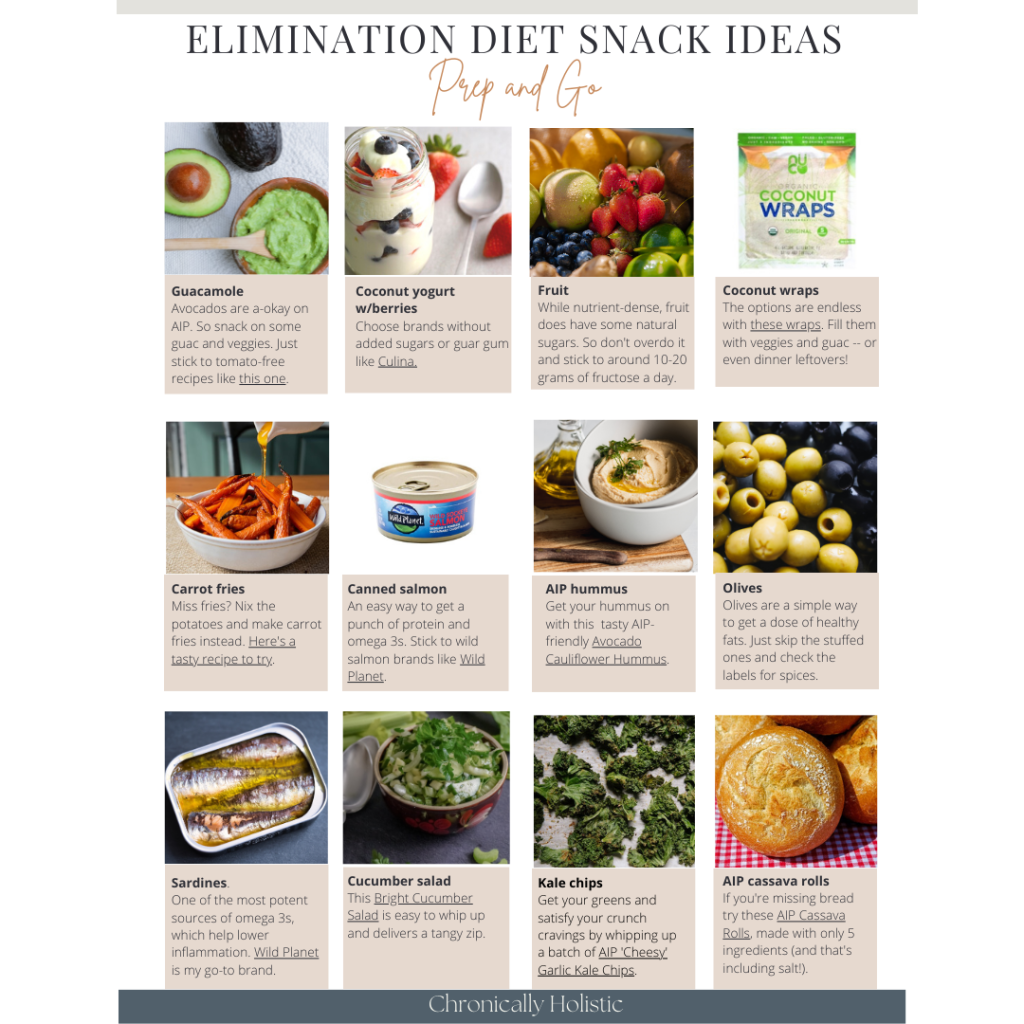
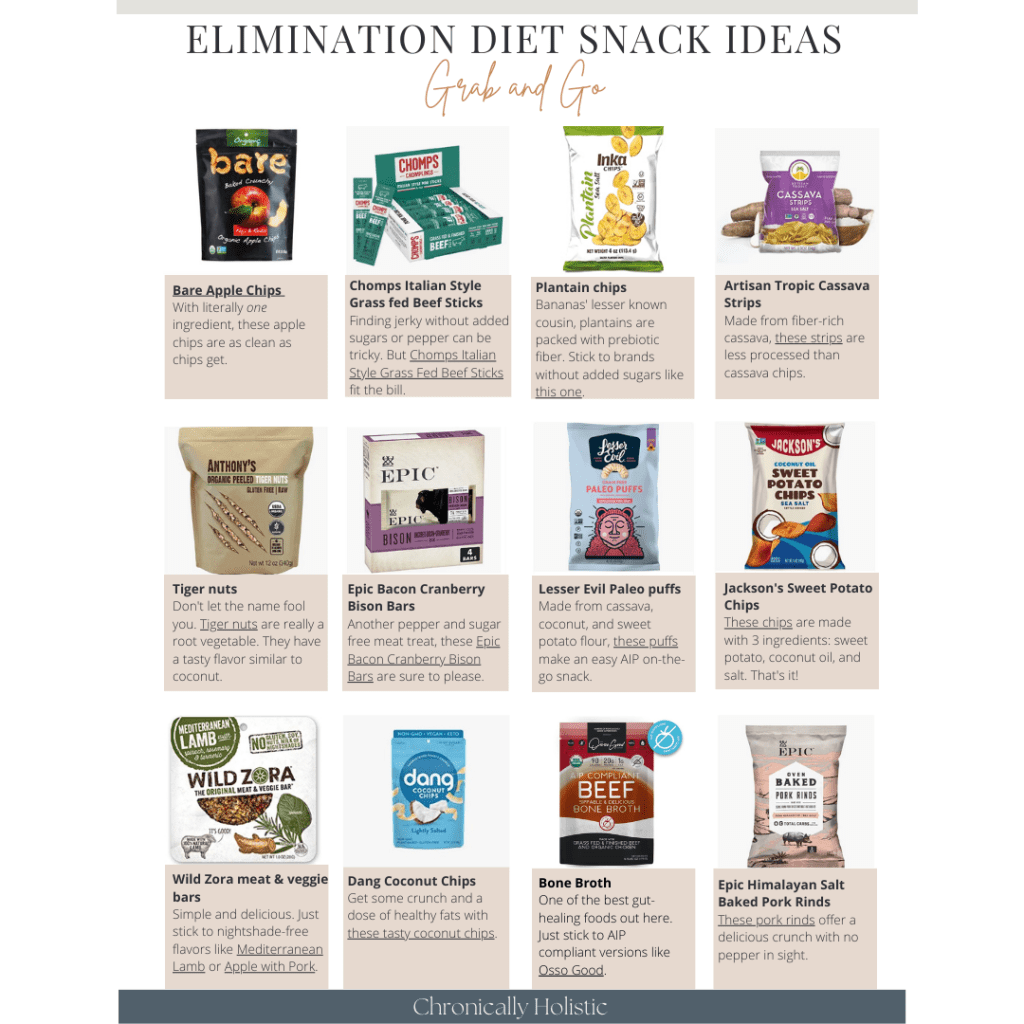
  • Prep ahead: meal prep and have “safe snacks” to grab in your pantry, car, desk etc. Examples are below:

Your pain threshold

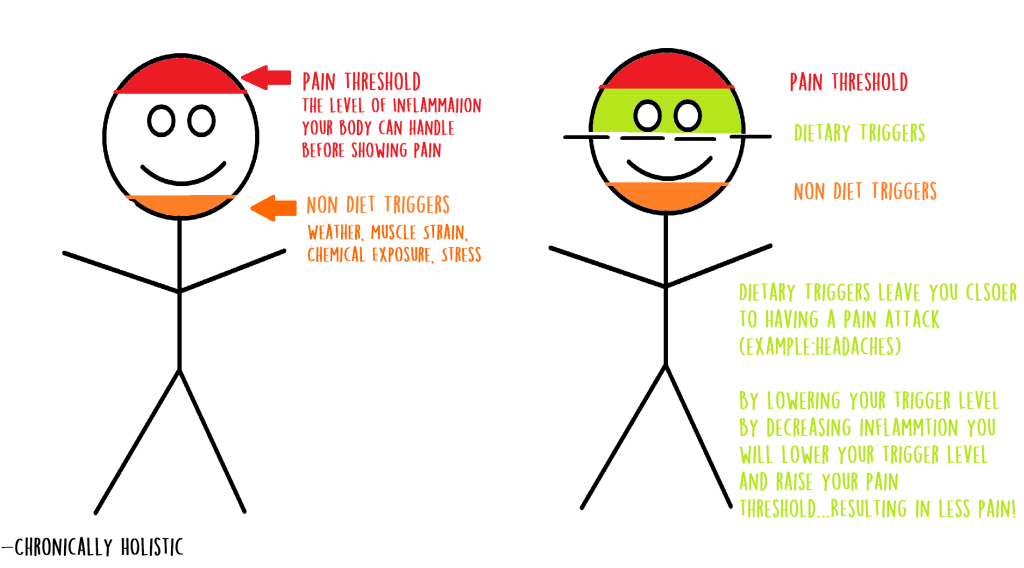
This is something I learned about during my elimination diet of tyramine from the Heal Your Headache book by David Buchholz. This is applicable for all elimination diets and trigger foods. By decreasing your trigger level, you move further away from your pain threshold. If you are in a constant inflammatory state you are more than likely always close to your trigger level. By lowering your trigger level you are not only able to have less pain, but you will be able to realize what triggers you easier when you get to reintroducing foods.

I am a visual learner and the whole “pain threshold” thing made much more sense after reading Dr. Buchholz’s book. Here is my own doodle version.

How do you know what foods you are sensitive too?

So there are a TON of elimination diets. The most common include; Gluten free, Dairy Free, Soy Free, Nut Free, Histamine free, the Anti-inflammatory Protocol (AIP), Paleo, Whole30….shall I continue. Each serves it’s own purpose but if these are health diets (not to lose weight) you are doing these to feel better! If you have been in pain for a long time, you probably have developed food sensitives to a lot of foods with out knowing. The most common sensitives due to the inflammatory process in the gut of these foods include; eggs, dairy, gluten, sugar and soy. I have a separate blog post on a leaky gut and go over the science a little of why these foods cause inflammation in the body. The summary is, as our bodu becomes inflamed our gut becomes “leaky” which ultimately results in food not properly being absorbed and toxins leaking into the body, causing chronic inflammation, causing food sensitivities to inflammatory foods.

To personalize your elimination diet you can have your food antibodies tested.. but I don’t like to start here. If you chose to go this route I have companies I feel are most accurate. Your physician may be able to order them but not understand the results. There are two primary antibodies you can have tested. These are IgE and IgG antibodies. The IgE antibody test measures for actual allergies, in regards to elimination diets it would be for food allergies. If you are having an actual allergic reaction (hives, itching, rashes) from foods, you are probably aware, but it never hurts to test to rule out allergens. The IgG antibody test shows what your body is sensitive too. This sensitivity puts you closer to your pain threshold and acts as a trigger and inflammatory response in your body.

There are eight common food allergens that can cause an allergy or food intolerance/sensitivity. These eight are; eggs, dairy, wheat, peanuts, tree nuts, fish, shellfish and soy. On top of these common ones caffeine, foods high in histamine, tyramine and certain additives like MSG and preservatives can all cause inflammation in the body. If we don’t eat a varied diet we are allowing inflammation to occur, specifically if we eat one of these common food sensitive foods often. When you do an elimination diet you are to eliminate all triggers of the diet you are trying for a given amount of time (6-8 weeks is best practice) then reintroduce one food slowly, by one food a week at a time. Doing this properly can take a lot of time and may be why simply getting your food antibodies tested may be a good idea. This is not necessary and can always be done after a food diary and some trial with eliminating some common foods intolerance. The easiest way to start is by eating normal and recording how you feel. You can then chose what to trail and eliminate from your diary. It’s important to not only keep a diary of what you ate and how it affects your physical pain but also how it effects you mentally and digestion wise.

If we consume high inflammation foods on a regular basis, and our body is already in a chronic inflamed state, food sensitivities frequently develop.

Food diaries

So you decided on the food choice you are going to eliminate. Whatever led you to your choice of food to eliminate, may it have be pure curiosity on seeing how you feel off it, a hunch from knowing your body noticing your symptoms after eating it or from an actual food antibody test…regardless of why you are eliminating that food group you need to keep a food dairy to track your symptoms. Because, if you are cutting out all the “good stuff” you want to do it correctly and only once! Don’t trust your mind to make a correlation between how you felt the last time you had pizza and this time. We think we can remember but if you truly are sensitive to something, you probably aren’t aware of it fully or you wouldn’t be eating it. Keep in mind, food sensitives may not just show up as digestion issues (mine didn’t). Besides the common digestive signs when you have an intolerance; gas, belching, bloating, irregular elimination and so forth, you can have neurological food intolerance symptoms. This can include; anxiety, irritability, brain fog, fatigue and pain. Now if you suffer like I did with anxiety, irritability, brain fog, fatigue and pain daily…you may think how will I know it’s worse? This is why a food diary is important, especially during the reintroduction phase. Ultimately you should be feeling a decrease in symptoms before you reintroduce foods. This is why even though it sucks at the time, you should wait 6-8 weeks at least until you add foods back in. This will allow you to properly track your food sensitives and symptoms. I was amazed at what caused me brain fog and anxiety after eating. I was sensitive (with out knowing) to so many things I ate daily. You should reintroduce foods slow (even though I know you are dying to add in everything at once). You should do this by adding one food group (example: eggs) a few times a week and monitor. You should only add one food back into your diet at a time. Reactions can occur anywhere to hours to days after a food is ingested. My reactions were always pretty fast but the results of it could last days. This again is why a food diary is important, you can’t possibility recall or correlate all of your symptoms and emotions from that egg you ate days ago. Keep in mind if you do have a reaction to something while reintroducing a food, you should continue to eliminate it and reintroduce it again at a later time. You may have to eliminate it permanently but more than likely you should be able to tolerate it in moderation in the future.

A little science behind how we become sensitive to foods.

Every time we eat something it comes with it’s own bacteria and it helps feed our gut microbiome. Our gut has it’s own ecosystem called a microbiome which contributes to issues if unbalanced or if it has an overgrowth of a certain kind of bacteria. This is why variety in your diet, and switching up what probiotics you take (if you take them) are important. It’s really easy to have an overgrowth of one bacteria if you eat the same thing everyday. If you are healthy this won’t drastically affect your health, but if you have chronic illness and chronic inflammation your gut can easily become leaky. This can be done alone from diet but it usually occurs in combination with chronic medication use, chemical exposure and a diet high in inflammatory foods.

You got this!

It is going to be difficult but in the end it is worth it! Once you see how amazing you feel after a few months of skipping out on that gluteny dairy filled pizza, you will never regret it or look back. Remember, not all eliminations are forever! Most aren’t and you may be able to add in foods you reacted too later on, if nothing in moderation. If you suffer from chronic inflammation symptoms such as; headaches, fatigue, brain fog, IBS, anxiety and so forth, take the leap in investing in your health by fueling your body with what it needs to heal. You’ll be amazed what you discover and you may even get off your medications and live that pain free carefree life you deserve. Thanks for reading and contact me for any questions or guidance. I am here to help because I wish I had some guidance in the beginning of my journey.

-Chronically Kate

Leaky Gut 101: The Ultimate Answer to Your Health

Most of us seek out help once we start developing problems. These “problems” are actually symptoms that manifest as common issues like pain, fatigue, and digestive trouble. Not knowing that these are symptoms of a larger issue, we begin to treat these “problems” directly with pain medications, energy supplements, and digestive help. This seems like the right thing to do – because you don’t know better. I certainly didn’t, and I have a degree in the heath field!

It’s not a big secret, but it’s also not common knowledge that our gut health is the most important thing for our health. I wish I knew this before feeding my body years of medications trying to fix my “symptoms” and only making my gut worse. But that is why I am here educating – so you can live your best life. It is not okay to have no energy, to be in constant pain or fatigued, and to have digestion issues. Sadly, suffering from these issues is so common that we ignore them and assume it’s normal. I hope the information I provide is informative and helpful. Disclaimer: I am not a doctor and you should seek out professional medical advice before changing any medications, supplements, or diet.

My personal journey has led me to pieces of the puzzle which ultimately resulted in a leaky gut diagnosis. I’ve always suspected I had a leaky gut, but I didn’t realize the importance and impact it has on your health. Ultimately my leaky gut led to many food intolerances and absorption issues due to chronic medication use and a diet high in the wrong foods, even though I thought I was eating right. You probably are not aware of the importance of your diet, especially if you have health issues.

What is a “leaky gut”?

Gut health is thankfully getting its well-deserved fame these days but the word “leaky gut” is being thrown around without full understanding. Although it is a controversial diagnosis in Western Medicine, there are many sources and research studies illustrating that gut health is directly correlated to most illnesses and diseases. To understand leaky gut, first you must understand that it involves more than digestive issues. This was true for me: I had no issues or evidence of a digestive disease. Of course you can (and most people do) have digestive issues, but a leaky gut also causes illnesses with chronic inflammation and can masquerade as fatigue, anxiety, blood sugar issues, weight gain, and so forth.

Leaky gut is defined as “a condition in which the lining of the small intestine has broken down. In this state, it becomes permeable to foods which should only be able to get into the bloodstream when they are more or less completely broken down (digested). With leaky gut, these food elements flood into the bloodstream as more or less complete compounds. These substances are capable of stimulating allergies and creating many problems which are widespread in the body.”

In layman’s terms, your body is not absorbing your food and nutrients properly, which leads to common issues and medical diagnoses. Toxins then seep into your bloodstream and your body has to work hard to fight them. This leads to chronic inflammation, pain, and other symptoms. Examples of leaky gut disguised as disease include (but are not limited to) non-insulin dependent diabetes, fertility issues, thyroid issues, anxiety, depression, chronic pain, IBS, and Crohn’s. More than likely, you will be prescribed medications for these issues. The medications may help, but they are not fixing the root issue. Your gut remains leaky, and eventually the medications may stop being efficient, another “illness” will arise, or your illness will get worse. As a result of getting sicker, you will probably be prescribed more medications to “help” – unknowingly making it worse.

As your gut health becomes worse, your body becomes more inflamed and sensitive. This leads to food intolerances and sensitivities. Food sensitivities come with a whole other slew of symptoms which include pain, brain fog, anxiety, and depression. This can be confusing because you can suffer these issues from a leaky gut and food sensitivities. More than likely, your food sensitivity is worsened by your leaky gut. It’s a big connecting puzzle in the end, but in the meantime, it makes finding out the one root cause of why you feel so sick harder and harder.

Ultimately, I have learned there is not just one cause and more so a combination. The leakier your gut becomes, the more sensitive your body becomes. Your body begins working harder to fight off the inflammation while still not absorbing the proper nutrients needed to allow you to heal and continuously allowing toxins to seep through. Consequently, you continue to get sicker as the cycle continues. If you are anything like me, this may lead you to becoming desperate, and in turn, you might end up taking any medication (making it worse) the doctor throws at you in the hope that something will help. The good news is that you know the answer now, and it’s not another hopeless diagnosis – it’s treatable!

How to heal your gut?

Diet Change. This is something no one wants to hear (I’ve been there), but would you rather suffer the above issues or change your lifestyle to live a happier, healthier life? Sadly most of us (myself included) would have rather taken another pill than change their diet, but diet change is necessary to heal the gut. There are TONS of diet recommendations for healing a leaky gut, and without the proper testing, it’s sort of a guessing game to identify what is causing the inflammation in your body. Even though it seems like a lot and is restrictive until you get the hang of things, it’s best to eliminate everything all together and then reintroduce one at a time once you are feeling better. Here are the most overlapping and strongly correlated changes you can implement in your diet:

  • Eliminate Gluten. This was something I refused to do; I have been tested for gluten intolerances and celiac disease but have never shown sensitivity, so I was stubborn and refused. After I sought out care and had a food sensitivity test done, I realized that I am sensitive to almost every form of gluten (wheat, barley, rye, and a ton of other non-gluten grains–eek!). Remember, by allowing more inflammation in your diet, your body becomes increasingly sensitive to more types of foods. You may be able to reintroduce some forms of gluten in later on, but for now, you should eliminate it until you are feeling a lot better. If you like research to back up your decision, here is an article from a medical journal on the effects of gluten on our bodies and specifically our gut.
  • Eliminate Conventional Dairy. This was also something I was very hesitant about because I used ghee/butter in all my cooking. A breif elimination of conventional dairy allows you to add in good quality dairy after inflammation is decreased. Check out my blog on dairy here. Gluten and dairy with a leaky gut membrane can allow for candida overgrowth, so if you have skin issues such as rashes, extreme fatique or acne this should clear up dramatically 6-8 weeks in of your elimination. Conventional dairy is very congesting and also proven to cause inflammation.
  • Avoid Soy. Soy products have been clinically proven to cause inflammation. Look for whole soy products and limit to a few times a week.
  • Avoid Preservatives and MSG. I have an entire blog post on this, but preservatives cause inflammation in your body and oxidization of your cells. This only increases inflammation and poor absorption in your body.
  • Avoid Histamines. This can seem restricting along with eliminating dairy and gluten. Check out this article on what foods release or activate histamine and why histamine causes inflammation. You can wait to do this if you are not feeling any better after a couple months into being DF/GF beacuse it can feel very restricting. I found a ton of unknown triggers here and was able to reintroduce these foods after a few months, making my diet less restrictive. Keep a food diary; it helps a ton with tracking symptoms and food triggers, especially when you are reintroducing foods.
  • Eat More Fiber. The easiest way to do this is by eating more fruit and veggies! Because your gut is healing, try to avoid a ton of raw veggies and cook them first to allow for easier digestion. We worry way too much on protein when most of our plate should be veggies with our meals. Start small by adding veggies to each meal if possible.
  • Supplement Support. These suggestions should not be done until speaking with your doctor. Try to buy refrigerated supplements as they are better for absorption because they aren’t as oxidized.
    • Look into the need for a digestion enzyme such as HCL. Most people with a leaky gut also have low stomach acid and slow digestion. There are plenty of natural foods that support HCL as well as herbs. I love digestive bitters!
    • Do your research and take a good live probiotic while your gut is healing. Microbiome Labs is my favorite but work with a practictioner because some probiotics can worsen symptoms if you are not ready for them.
    • Liver and Gall Bladder Support. I love supplements with Grass Fed Beef Liver, Vitamin C Taurine, Pancrelipase and Organic Beet Concentrate.

These are recommendations and common causes and triggers of a leaky gut, but regardless, you should seek guidance from a medical professional. I thought I could “heal myself” with natural remedies and diet changes, but I had no luck and was exhausted from seeing new doctors and the bills that accompany them. I do not think I would be where I am in my health journey without the proper guidance. I receive care from a naturopathic doctor who is able test and interpret labs and tests that standard American doctors do not test for. I spent so much money on natural doctors and the root cause was always nutrition. This is why I went back to school– I felt it could be done for much cheaper and less invasive. I do not recommend doing this on your own because there are many different supplement options and since absorption is an issue, you need to be particular in what you are taking. Prior to seeking out a naturopathic doctor, I have seen over a dozen specialists and have had more tests and procedures than I can count with empty diagnosis after diagnosis.I Although I did appreciate all naturopathic medicine had to offer me, I truly do believe that I could have avoided the expenses of all the testing and just changed my diet for what my body needed with working with an NTP! Being in the medical field I wanted to see the hard proof before making a huge lifestyle change. In hindsight, the lifestyle change was needed and would have been more beneficial than all the testing and anxiety of seeing “things wrong”, when obviously something was not normal, I was having symptoms! Lucky for you this is why I went back to school! I now know the nitty gritty of common symptoms without the expensive tests and supplements being the first round of defense. Food is ultimately the easiest answer for your health.

Patience.

It may have been quick, but more than likely, it took awhile for your gut to get so bad and it will also take time to fix. It isn’t your fault that your gut got sick. As a society, we are becoming more aware of the importance and impact of the overuse of antibiotics and medications along with the problems of a Standard American Diet.

Work with me or your medical professional to play around when to reintroduce foods and for supplement support along the way. These lifestyle changes are important in healing and may not be forever but are necessary to heal your gut if you want to feel better. The saying “food is medicine” is often quoted for a reason. With time, your gut will heal and your symptoms will start to dissipate. It is scary making a dramatic diet change, but trust me when I say it is worth it. I wish I knew years ago; I could have started healing myself and not have gone through all the time and money it took to get here. I am not sure I would have listened, but I at least would have known the importance and jumped on the bandwagon sooner.

After suffering for years and finally having relief, and after reading so many other success stories related to gut health, I urge you to give it your all because what do you have to lose? Your health and your life is more important than that frozen pizza and day-old donut. You will learn to love healthy food and will want to eat good because feeling good is worth it; you may even start to enjoy cooking. I can’t promise you that will fall in love with food prep dishes, but maybe the dishwasher?

I wish you luck on your journey and I hope this was informative to you. Thanks for reading!

Food is medicine

Food is medicine. By both avoiding and adding certain foods into our diet, we are able to nourish our bodies. The foods that we feed ourselves provide us with antioxidants, nutrients, and the fuel needed for our bodies to heal and function properly. It’s a simple science, yet we would all rather go for the quick fix. A quick fix can be a processed meal a few times a day to another medication that may help mask the symptoms you’re showing.

Our body is constantly warning us when something is off balance with our “symptoms.” Anxiety, pain, skin inflammation, hormonal issues, and so forth pop up. All of these things are heavily treated by medications to hide our unknown imbalances. Your body is giving you a warning signal and screaming for help! You may need to work on your gut, your diet, your posture, your breathing, etc.

This all sounds so simple, but how many of us actually focus on all of these as a priority? Without finding the root cause, you continue to mask the issue, allowing your body to get sicker and allowing system after system in your body to compensate. The longer you mask and suppress the symptoms, the sicker you become.

After years of suffering from chronic pain and following elimination diet after diet, I finally have hope. Having your food antibodies tested is something I had never even heard of until working with a naturopath. Contact me for more information as I have learned of easier ways to get these tested. From my learned experiences, chronic unsolved issues or the unknown anomaly is actually a bigger problem and requires more than a quick fix. I’m stubborn and work in the healthcare field and thought I could “figure this out” on my own… I couldn’t. Lucky for you, I now have the knowledge to help you find the right help and point you in the right direction.

The body is complex and there are way too many variables that can affect your health. There are plenty of elimination diets and supplements out there to trial. You may find one that works, or you may not. After a few failed ones, you’ll get frustrated, or you may find help but it might only be temporary. Trust me when I say save yourself the time and the money by doing it under professional guidance. Let someone help you connect the dots and give you the chance of finding relief.

They make tests (beyond a simple food allergy test) that can see what your body is sensitive to or causing inflammation. This allows you to be on an elimination diet that fits your body’s results. There are tests that show your sensitivities to common triggers beyond food and look into environmental triggers. The truth is that 90% of the population carry most viruses and allergens, but sometimes it effects certain people harder than others. Having the right help to analyze your blood and gut nutrition allows these professionals (may it be a naturopath, functional nutritionist, etc.) to develop a dietary plan on top of the right herbs and supplements to combat any other ailments that you may be fighting. If your body has been suffering for a long time, it has been compensating for awhile and you may have multiple body functions to fix.

Most people who are reading this are tired of being so chronically ill and are in the same boat that I was. Why suffer every single day if you can simply make a lifestyle change? Sadly, most people would rather suffer with chronic fatigue and pain than cut out foods they eat daily or drinking at parties. I’m not saying you have to cut out alcohol or your favorite food, but in my case, it was my favorite foods that my body needed a break from. Notice how I said a break. This doesn’t mean your favorite foods, alcohol, etc. are gone forever. A temporary separation is worth feeling like a human again though, isn’t it?

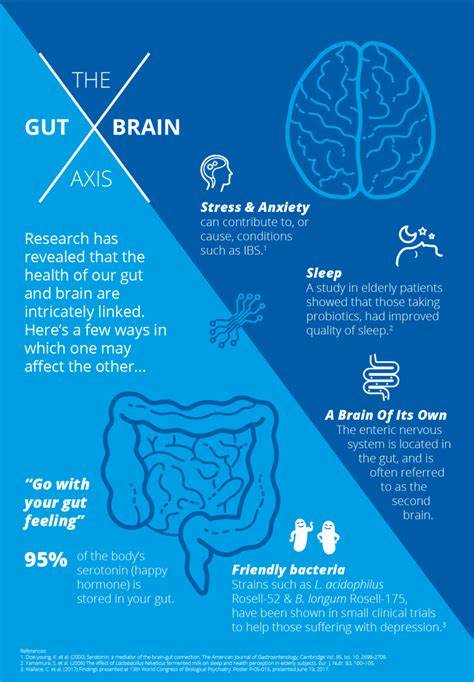
The body is very intertwined. Brain and gut connections are becoming more known and important to society. What’s scary is that this isn’t new ground-breaking information. These are all known facts, but we rather suppress and ignore them and continue to live unhealthy lives. Our food can affect our brain chemicals which in turn affect our moods, emotions, skin, hormones… everything.

I’m not fully healed, but I’m finally on the healing journey. This journey is as much mental as it is physical. I thought I was eating healthy, but the healthy options I was eating daily were actually feeding my “gut bugs” and in turn feeding my illnesses. Just because something is a healthier option doesn’t mean it’s the right option for you. After years of this chronic fight and misdiagnoses, I’m beyond thankful to have answers and even happier that it’s a simple diet change. It won’t be days but within time, my body’s systems will get stronger one by one, and I’ll be able to be live my life authentically and pain-free.

Don’t be stubborn; eat food that’s good for your body. Heal yourself starting from within. Living in pain isn’t the answer, but your food is.

An organic and healthier lifestyle

Eating healthy can be expensive. It took me a couple of years to get where I am now. I’m going to share with you my secrets and tips on eating healthier. I’ll include what is worth changing and what is okay to let slide. Feel free to ask any questions and let me know your experiences.

Why eat healthier?

We all know that eating healthier can help us lose weight, but the changes on the inside are more important. Eating healthy helps regulate our hormones and neurotransmitters, and it allows our brains and bodies to function at the best level. This is especially important for people with pain. You cannot begin to heal until you allow your body to be in a healthy condition first. Did you know the toxins in preservatives and pesticides are not only linked to several types of cancers but dramatically impact our hormones, which play a huge role in our daily health? We are getting sicker and sicker, essentially poisoning ourselves. The “health food” we eat today is sadly not the same as a hundred years ago. For those of you looking to lose weight, I lost 20 lbs when I cut out preservatives and have kept it off effortlessly. It’s not a diet; it is a lifestyle. I previously cooked almost all of my meals and believed I was eating healthy, but secretly I could have done better. Even though I’m still in pain, the rest of my body has never been healthier.

Organic food expense and what’s worth buying

Eating organic isn’t necessary, but if you want to truly be chemical-free, you should try your best to buy what you can organic. If you have never heard of the Environmental Working Group, it’s worth looking into. I follow their “Dirty Dozen” rule while buying produce and use their Food Scoring app for packaged or bottled foods.

We can’t always be perfect and eating organic is expensive. I try to buy my produce organically from the “dirty dozen” list. When I shop, I stick to organic for most of my berries and greens. For produce with a peel, I tend to let it slide more often (oranges, mangos, onions, melons. etc.). You’ll find what works for you and what you can afford. My produce bill hasn’t increased too much as compared to my bills prior to shopping organic. People think it’s the produce that’s expensive but it’s actually pantry and baking supplies that cost the most. If you are not buying organic, make sure you are properly washing your produce. Even organic veggies and fruits need washing and (unless stated) triple-washed. Make it easier on yourself by shopping at stores that have a large organic selection, or if it’s the right season, a farmers market.

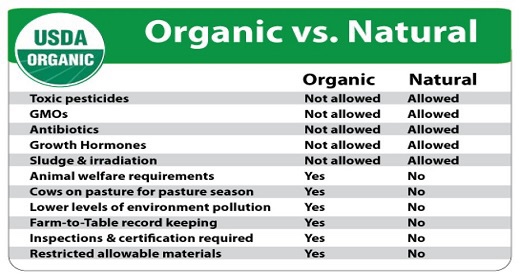
If it says “Natural” does that mean “Organic?”

NO! I fell for this trick before becoming educated. “Natural” is better than other options, but it’s not “organic.” Products that are listed as “natural” promise not have any artificial dyes or flavors, but it does not mean that these items are free of pesticides, hormones, antibiotics, or GMOs (as the USDA’s definition of “organic” promises). Side Fact: A lot of these “natural” labeled foods are loaded with fructose and other unhealthy sugars and oils that you should avoid in general.

For a food to be labeled “USDA Organic,” it must pass heavily regulated rules. The food must be grown free of all prohibited chemicals and pesticides for over three years before earning the label. It is GUARANTEED not to contain toxic pesticides, chemicals, synthetic growth hormones, antibiotics, GMOs, artificial additives, or preservatives.

In this case I make sure all my pantry supplies are organic. I’d rather splurge here than use cheaper flour and broths full of additives, antibiotics, growth hormones, and preservatives. Also choose glass over aluminum if you can for your pantry items.

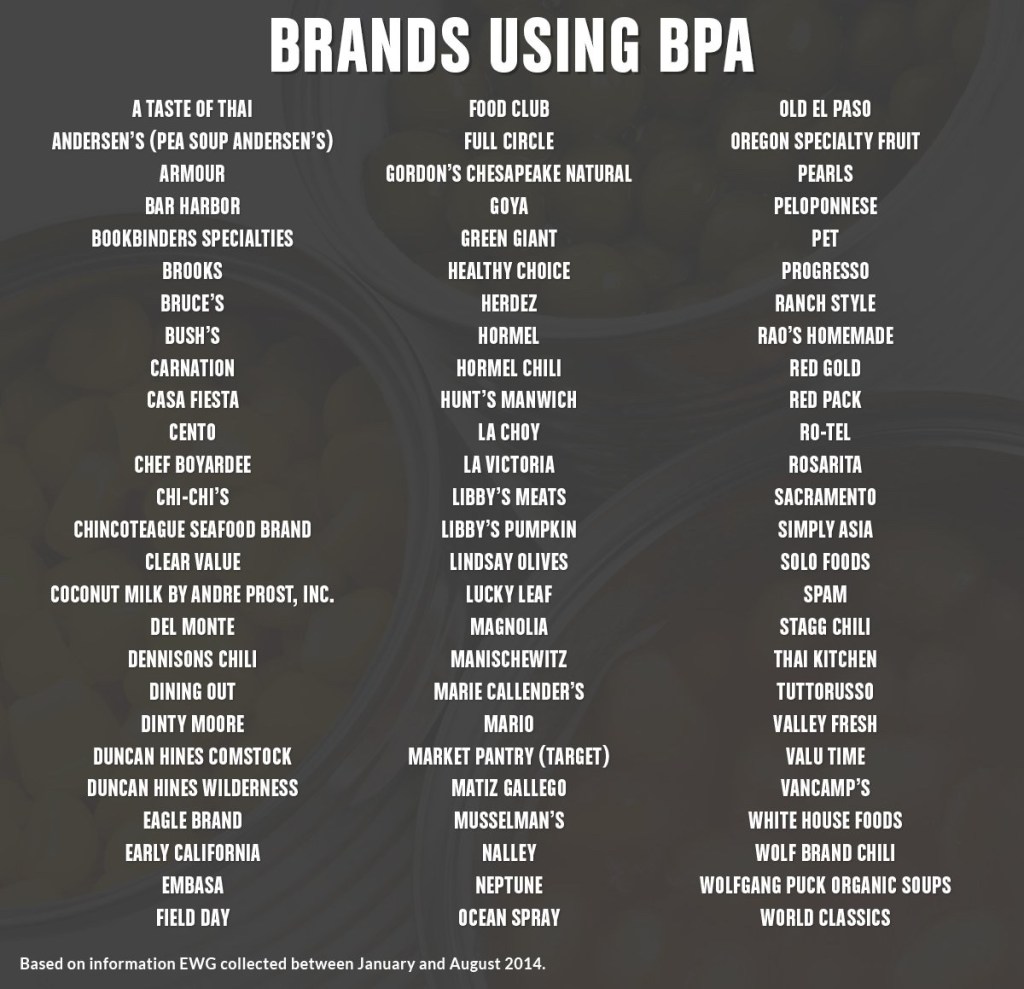
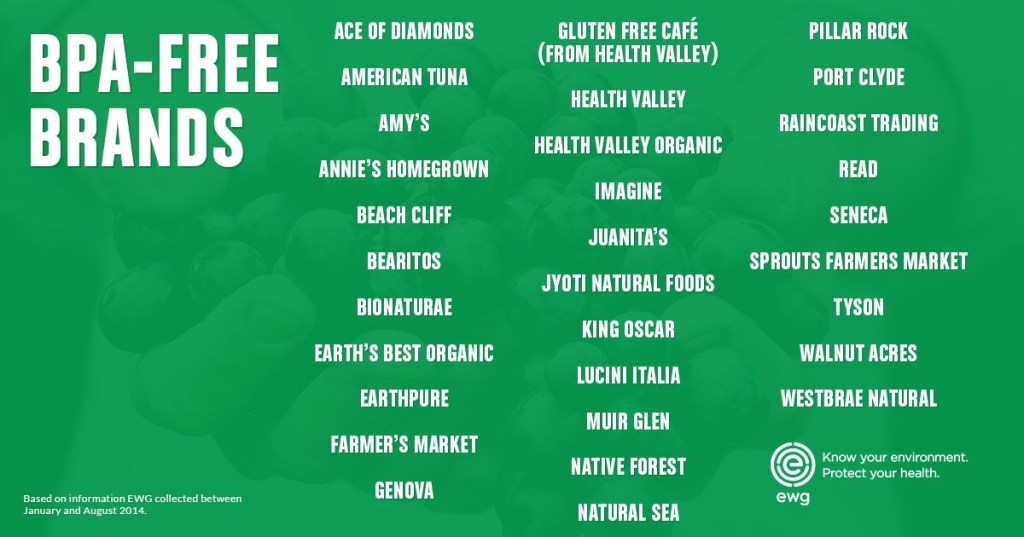
BPA

Your pantry can quickly get overstocked with canned goods and expired foods. I use containers that make it easy to notice when I need to buy more (pasta, rice, oatmeal, etc.). It’s best to avoid a bulk supply to help cut down on waste. Check your canned foods for BPA, and watch out for all the preservatives. If you can afford the foods in glass containers, always lean towards those brands. Another tip is to switch your drinking and storage containers to glass. It’s pricey at first, but worth it in the long run as they last forever. Below are food brands that use BPA as well as some BPA-safe brands. As with all of the other toxins and chemicals mentioned, BPA can impact our health in negative ways.

These are just a few! Get in the habit of reading labels. It gets easier the more you do it.

Preservatives and MSG: what’s the scoop?

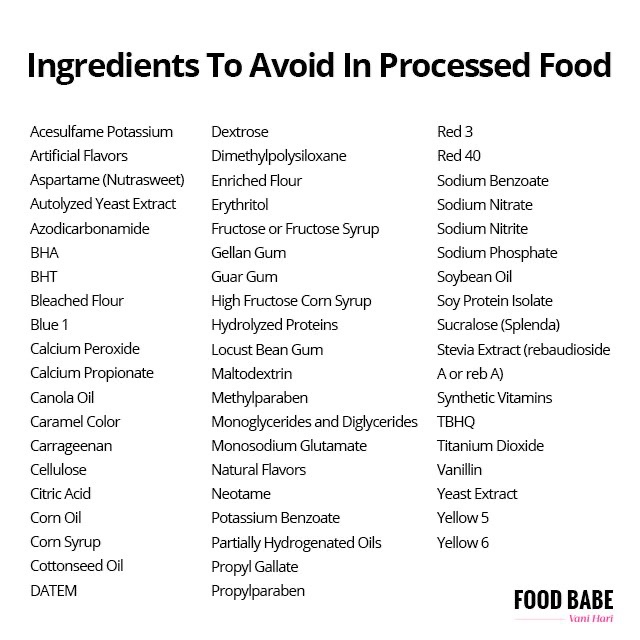
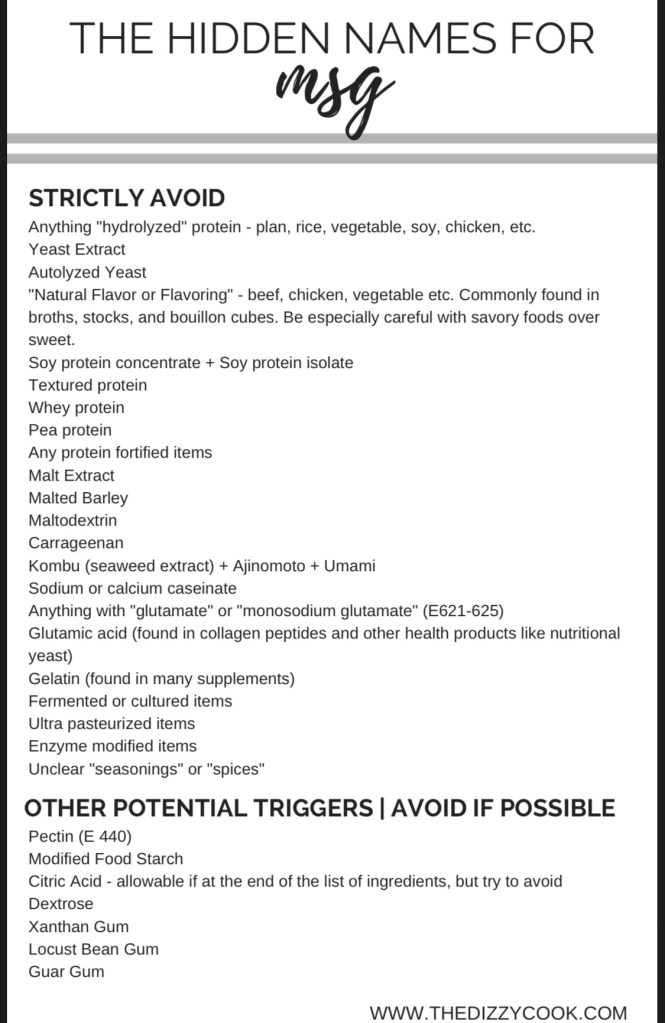
My migraine diet currently has me 90% preservative-free. Obviously some foods need to have preservatives in them, but there are healthier and more natural options. Look for food preserved with lemon, vinegar, salt, or sugar. Citric acid and some gums are okay in small quantities. Until I began reading labels, I had no idea about the extent of preservatives in almost everything I ate. One goal I try to follow is the following: if the ingredient list has more than 10 ingredients, then I shouldn’t be eating it. Honestly, I try to aim for less than 5 ingredients, but you have to start small. Preservatives are hidden in your food labels with loads of MSG (Monosodium Glutamate). Neither are good for you. Preservatives are linked to causing cancer, and MSG can give you a whole slew of side effects, such as migraines. Below I’ve included lists of common preservatives to avoid, hidden names for MSG, and what you should generally avoid in those long ingredient lists on food labels.

This list is specifically for people following the Heal Your Headache migraine diet, but these are also hidden names for MSG. Spices and “natural” flavors are the sneaky ones I wasn’t aware of.

Bad sugars and oils

These are probably the most known as bad sugars and oils have gotten the most exposure over the years. Refined sugar is something we do not need in our diet, yet almost every food label has sugar in it. Even if it’s pure cane or coconut sugar, it’s still sugar. Artificial sugars are just that: artificial. If you must eat an artificial sugar, stick to a plant-based Stevia or Monk fruit. As with any sugar, use these options in small amounts. Once you remove sugar from your diet, you’ll be able to enjoy the natural sweetness of fruit and vegetables. Not only will you enjoy food more, you will gain the health benefits of a low-sugar diet. Read labels! Products you might think are sugar-free often have hidden sugars (your granola, nut butters, juices, etc.).

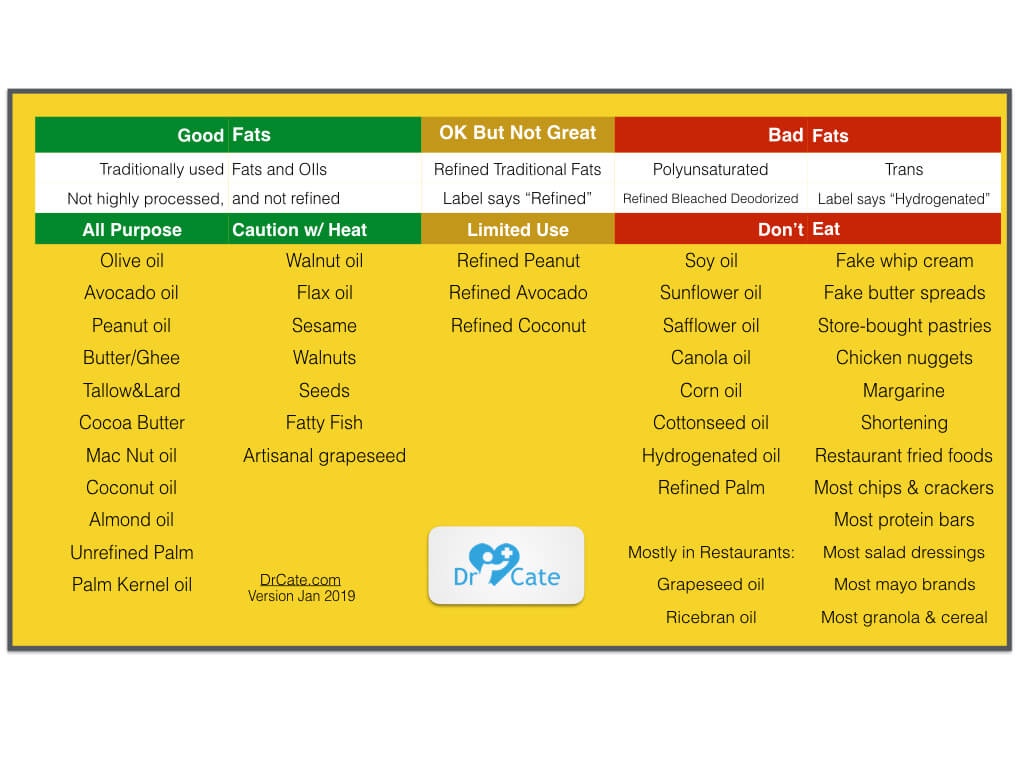
Oils have gotten some exposure over the years. Mainly we’ve learned that not all oils are bad for you and that some can provide health benefits. This is true if you are eating good oils with good fats and omegas. Please stop thinking vegetable, canola, or soybean oils are healthy. They have no nutritional value and are extremely processed. Instead I’m a fan of olive oil and ghee. Make sure your olive oil is extra virgin so you can get the nutrients in the oil. Also be sure that your oil is packaged in a dark container to prevent oxidation. Ghee is clarified butter and I slather it on everything. Ghee actually helps you maintain a healthy weight; it’s filled with vitamins and helps with inflammation and energy in your body. Below is a list of oils to choose vs avoid and a list of the additional benefits of ghee.

Skip the refined and processed food!

I’m not perfect. I don’t cook every single meal, but I try my best. The more you cook, the easier it gets. Meal prepping also saves you more money than you realize and is the best thing that you can do for your body. Meal prepping can be as simple as planning your weekly meals and chopping up your ingredients. Build up to taking an entire day for making meals and freezing them; it gets easier the more you do it!

There are also “healthier” frozen options. Follow the rules above and look for the “bad” ingredients. Frozen foods tend to have more preservatives and use the “bad oils.” Yet there are healthy and easy meal options: Trader Joe’s makes a ton (but beware that not all are safe). Frozen veggies and fruit are easy and safe frozen foods that make your life easier. Look into what you can freeze; freezing fresh food, bone broths, cooked meals, and desserts will become your best friend.

Building a healthier lifestyle doesn’t mean you can’t eat out. There are a ton of healthy options nowadays. Just avoid white pasta, sugar, and high-flour or fried meals. Pick foods with some nutrients still intact and go to a healthier restaurant. Skip McDonald’s unless it’s the last option. It’s okay to splurge once in awhile, but make sure it’s worth it – something you will enjoy and not feel guilty about.

I hope this helps you understand how to live a healthier lifestyle and the secrets of reading food labels for hidden preservatives, MSG, and highly processed food. Here’s to a healthier life and healthier you!

A chemical-free home

It’s impossible to avoid all chemicals. We need some of them; that’s why they were created. But they are abundant in almost every product we use when they don’t need to be. Fragrances are the biggest culprit. On average, they contain a combination of 50-300 chemicals to make that scent. There have been over 80,000 chemicals added after the 1940s and the Federal Food, Drug, and Cosmetic Act hasn’t been seriously updated since it was passed in 1938.

It’s overwhelming once you learn about all of the chemicals in your daily deodorants, toothpastes, soaps, detergents, and (obviously) cleaning sprays. An easy way to educate yourself is to download the Think Dirty or EWG apps. Search your normal go-to items to learn about what’s bad in the products you use and why. I always tell people to swap out one or two things at a time. Swap for a healthier cleaning option once you empty a bottle of something. Otherwise you will be spending a lot of money and making more waste. You don’t need to buy all new stuff — many chemical-free alternatives can be used for your cleaning, laundry, dishes, etc. But if you have the money, always opt for chemical-free and donate the old unused stuff. We can’t save everyone quite yet!

Why I went chemical free?

If you’ve read my blog or know me, you’ve come to the conclusion that I have some health issues. Chemicals can affect every body system from neurological to digestive (head to toe). By controlling what I can, I give myself the best health I can offer my body. You only get one body; you need to nourish it. I was amazed how quickly my body adapted to being chemical-free and how sensitive I became around high-chemical products. My migraines have always made me super scent sensitive, but it’s amazing how your nose adapts after chemicals. You will cringe at scented trashcans and Yankee candles. Most people find that scary and wouldn’t want this, but it’s amazing how in-tune you can become with your body once you are able to listen to it. Removing the chemicals and preservatives from my life allowed me to focus on my health issues without other obstacles that the food and chemicals were causing me without my knowledge.

Where to start?

Some easy swaps to start with include the following:

  • Toss your perfumes and sprays. Look into investing in essential oils. I use doTERRA personally. You need to find a reputable brand that makes 100% pure oils. Avoid “aromatherapy grade” and “fragrance grade.” The best companies are as follows: doTERRA, Young Living, Plant Therapy, or Edens Garden (the cheapest).
  • Swap your deodorant for a natural one. Our common deodorants contain parabens and aluminum which affect our hormones. *Look for ones with essential oil fragrances, not ones that just list “natural fragrances.” I like the powdered ones but Native is a safe and available stick brand.
  • Throw out your dryer sheets and get some wool dryer balls. The chemicals in dryer sheets and some softeners can cause eczema as well as asthma and hormone issues. You can add quality essential oils to the dryer balls to add scent. There are still safe laundry softeners out there; brands I use are listed at the end of this post.
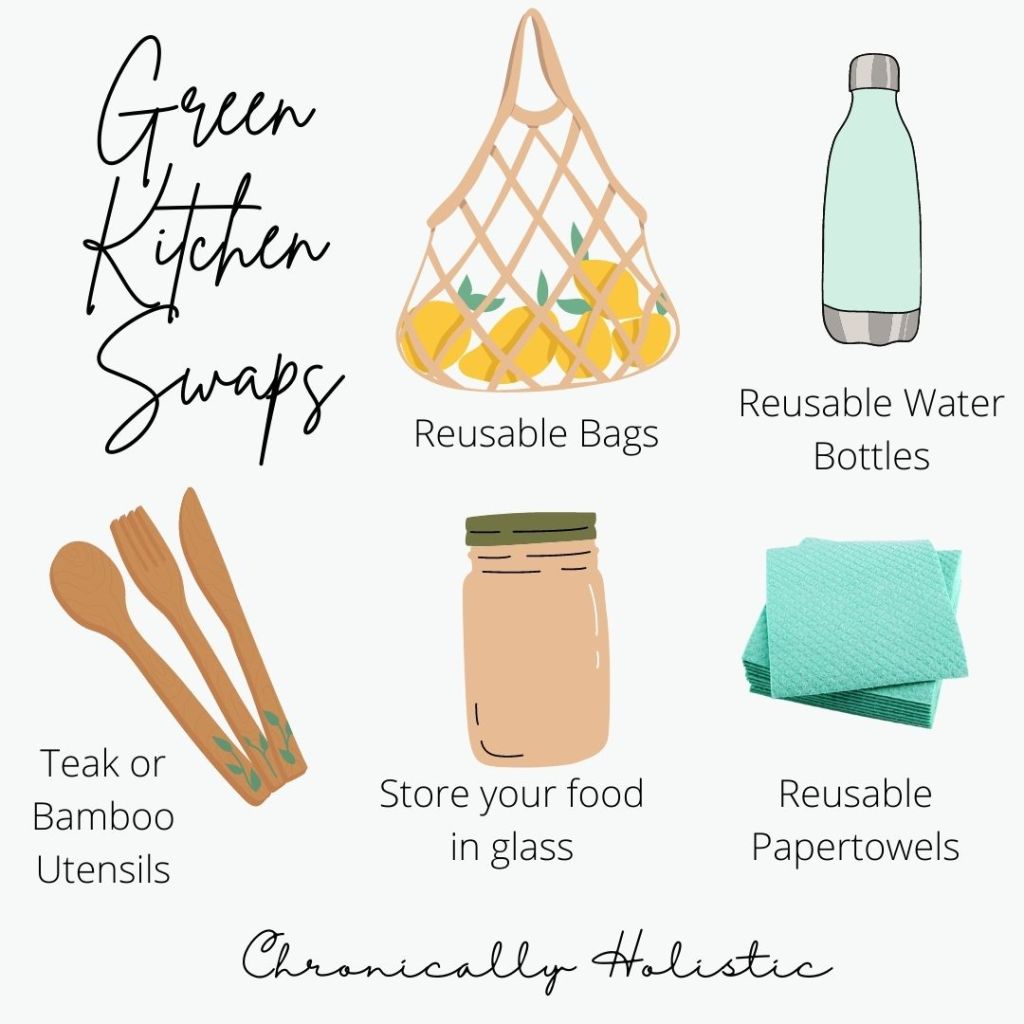
  • Toss out your plastic. This is an easy but expensive one; switch to glass storage and drinking canisters or stainless. They will last forever and are safe from any chemicals. They even make cute sleeves to protect them from drops and falls!
  • Toss the plug-ins. Buy a diffuser; make or buy beeswax candles. Learn to have a green thumb by using plants/herbs to cook, clean, and purify the air with. If you can’t tell, I love my oils. But I love plants even more. I wish I was able to grow everything I get as an oil. Luckily what I can’t grow, I can replace with a couple drops of oils. I despise air fresheners, and this is an easy and healthy way to live chemical-free and help your health and your families. Making candles are fun and can save you money in the long run. If you want to buy them, look for beeswax candles with essential oils, not “fragrance.”
  • Look into paperless cleaning. Norwex has an awesome antibacterial rag that you can clean without cleaner!
  • Make your own cleaning solutions! There are hundreds of “healthy” or natural” cleaning companies. To deep clean, you need chemicals. Some are better than others, and the best have simple ingredients that you can make yourself for a quarter of the price! Here’s a supply list to get started:
    • Glass spray bottles
    • White vinegar
    • Castile soap
    • Natural salt
    • Baking soda
    • Borax
    • Peroxide
    • Lemons
    • Essential Oils (Pure)
    • Click this link for some cleaning recipes

Not ready to conquer your inner homestead lifestyle and make your DIY cleaning supplies?

Totally fine! I’m all about convenience and time management, so I understand. Do yourself a favor and download the Think Dirty or EWG apps for your phone. They will help you look up what you clean with, why it’s bad, and what to use instead. Here are some safe brands I keep around the house, all available at Target:

  • Seventh Generation (fragrance-free)
  • Dr. Bronner’s (all products!)
  • ECOS
  • Puracy
  • Attitude
  • Molly Suds

I hope this helps you live a more chemical-free lifestyle! Feel free to ask questions.

With everything going on in the world right now, we are learning the power of germs. Now that more people are becoming increasingly aware, pay attention to the chemicals that you put in you and your family’s lives. Stay Well and Live a Long and Healthy Life!

The list of doctors I’ve seen on my journey of fighting pain

I have people ask me all the time—when they know someone with headaches—if that person can talk to me. Absolutely! But remember: everyone’s journey is different. One thing that is the same? Headaches that don’t go away are NOT normal. Many of us (myself included, for years) ignore this fact. Daily headaches are considered a migraine disorder, and they can wreck your world.

Chronic inflammation can lead to many things, including disease and structural issues.

Chronic stress and inflammation keep your body in constant “fight or flight” mode. Being in this sympathetic state prevents your gut from working properly, which leads to a whole slew of issues including food intolerances and leaky gut. Our gut is our second brain—so if you have headaches, your actual brain is already struggling. Ignoring the pain is not the answer.

Figuring out the cause is a difficult puzzle. For me (and many others), it’s a combination of factors. Below is a list of what I’ve tried and what’s been most helpful. My headaches are still a work in progress, but I’ve learned that chronic pain led to multiple body systems compensating for years, clenching and tightening of muscles (which created other problems), and a leaky gut from chronic medication use and inflammation.

These are not diagnoses most Western medical doctors talk about or educate patients on. This is what I learned about my body—and many chronic pain sufferers are in the same boat. After all the specialists I’ve seen, I’ve realized how important individualized patient care is. Chronic pain is unique to each person, and most of us are not textbook cases. In the end, holistic health providers were my saving grace. I hope my journey helps guide you toward healing❣️

* These are all my personal experiences, and I always recommend talking to a trained medical professional first *

Below are my lists from my Holistic Journey followed by my Western Medicine journey. My holistic route has provided me with the greatest relief over any medicine thus far and is why I went back to school ❤️

  • Naturopathic Doctors: A great place for someone who wants to go the Holistic route and feel like they have tried everything. I spent a TON of money here and it got me to where I am now. They do a lot of validating tests and supplements and if I knew what an NTP was at the time, I could have saved a lot of money and come to the same conclusions without all the tests and supplements. They do find and treat the root cause. This cause may not be obvious, and probably isn’t if you landed here. They analyze your blood work in a different way than a normal doctor would while testing additional levels I’ve never had tested prior. You will be guided on what herbs, supplements, and tinctures to take to heal your body. These doctors are well educated and treat much more than pain. A lot of them focus on your gut which is extremely important for pain, digestive issues, and depression/anxiety!
  • Diet Eliminations: Don’t get me wrong — This is hard, but if it fixes your pain, it’s worth it all. I started with the common triggers: nitrates, wine, chocolate, artificial sugars and coloring, and MSG (which is in everything; see all the names it hides under and my favorite migraine diet that has led me to a lot of my triggers here). Food tests are great but NOT the FIRST place to start. You can ask about getting your iGg food antibodies tested. This tests your body’s inflammatory response to certain foods and will make it easier to know what to eliminate. Unfortunately, if you are chronically inflamed, most of the food you eat will show up (healthy or not).
  • Herbal Medicines: Consult your doctor before. A lot of medications have an unknown reaction to herbs, so you need to be cautious. Herbs are medications 😊. I love herbal teas (good homemade ones without the sugars and preservatives).
    • I’ve searched online for a quick and reputable list of the popular ones that are safer to use here.
    • Here is my stock pile list of herbs for pain and headaches: Magnesium, Feverew, Butterbur, CoQ10 Enzyme, White Willow Bark, Ginko Biloba, Ashwaghasha, Dong quai, Ginger, Lavender, Rosemary and Peppermint. Remember to consult a professional prior to using herbs; there are a lot of drug interactions here and interactions with pregnancy.
    • I am able to recommend supplements to you, but please check with your doctor if you are on other medications. I have a few that have really helped me! Liquid omegas and a good probiotic can go a long way with healing your gut and inflammation. Click on the supplement link on the drop down menu to check out the websites for a 10% discount.
  • Chiropractor: Now I will say- your minerals need to be balanced for adjustments to HOLD! Most can help with jaw pain, neck pain, and headaches, but more importantly, your posture which can cause a cascading effect of pain up or down your body. I have learned that this should be a “every now and again” treatment. Your ligaments get used to being stretched and the vertebrae essentially pop into place with your adjustment. The more you go, the more mobile they become, actually allowing them to be put out of place easier. Look into fixing your posture alongside a chiropractor adjustment here and there.
  • Massage Therapist: This one is one of my favorite therapies, but this is out of pocket and can get expensive. I love my Holistic one that also practices Reiki. My knots used to return in hours because I’ve been tight for so many years, but with help from physical therapy, this is a great monthly treat! If you can’t splurge on this, at least look into self-massaging. Massage helps move our lymphatic system which ultimately allows us to move toxins through and out of our body, making us able to strengthen our immune system and fight that chronic inflammation!
  • Acupuncture: This is my favorite 😍. This helps your mind, body, and soul heal. My headaches are too complex to be fixed by acupuncture, but this is one of the few things that give me temporary relief, and they can help with multiple issues at once! If you are local to the Harford County area in Maryland, check out my acupuncturist Chris. He takes insurance!
  • Float Therapy: This is basically a pool with a ton of magnesium salts. Magnesium deficiency can cause a lot of muscle issues and headaches. I had a hard time meditating and relaxing that long, and the water is body temp (not a nice hot soaking experience as I expected), but my muscles felt amazing after!
  • Medical Hypnosis: Anxiety and habits play a big part in pain. Mindset is honestly everything. If you don’t believe in yourself and the ability to heal, you are not going to be able to heal. If you don’t already, look into meditating. I use the Daily Calm app. It isn’t easy at first, but if you consistently meditate, your mindset will shift and I bet you will start healing.

List of Western Medical specialists I’ve seen over the years:

  • Neurologist: I saw over five. They each gave me medication after medication with side affects. It is important to rule out autoimmune and structural causes, but ask about diets also! Chronic headaches identify as a headache pain that doesn’t go away with over-the-counter medications, or if you suffer more than 15 episodes a month, you should see a neurologist. Let’s have a side chat about Tylenol and Motrin: If it’s not working, stop taking it. You should not be taking these medications more than 3x a week. I used to take it daily, just in the hope that it could help. I now only take these medications when I really need them and for reasons not related to headaches. These medications can be detrimental to your body if used and abused, and this is a common thing done since we all have access to it.
    • There are different “sub-types” of neurologists. I’ve seen Headache Specialists, Muscular Sclerosis specialists, Autonomic Nervous System specialists, and probably tons more I can’t think of, but start with a general one that specializes in headaches and/or concussions. They will begin with imaging of your head/neck/brain to check for any structural abnormalities, begin blood work to look for deficiencies, and begin providing medications for you to trial.
    • Medication Usage: My gut had secretly became “leaky” from all the years of trialing different medications in the hope that one would help the pain. This caused serious inflammation in my body leading to a whole list of food intolerance and environmental sensitivities. If a problem is not identified in the initial stages of testing, I suggest you try a elimination diet, massages, or acupuncture before the long-term medication route. You are probably desperate; I was and that’s why I took medications for years and underwent years of injections. In the long run, it made me worse. Some would help briefly but were masking the symptoms, not fixing the root cause of the problem. This is ultimately your decision, but there’s my soapbox about medication use.
  • ENT: I had two sinus surgeries before realizing my facial pain was actually jaw pain and migraines. (This is apparently super common)! Prior to these surgeries, I underwent multiple rounds of antibiotics with no pain relief. These were essentially unneeded and contributed to a leaky gut and chronic inflammation. So again, even though you’re desperate to feel better, be wary of unnecessary medication usages, ESPECIALLY antibiotics.
  • Dentist: (Yes they make special dentists!) I saw a trained TMJ/TMD Dentist. If you wake up with jaw pain and headaches, start off with a night guard that you make yourself. Then if that’s not helping, seek out your normal dentist before spending the money and time on these specialists. While they’re certainly helpful, you will save a lot of money and time if you can avoid these visits. I also believe the root cause of the clenching went away when my diet changed. Remember: dental stuff is not covered very well for adults (and a lot of time, not at all) the more specialized you get.
  • Physical Therapy: There are so many specialties here. I was very surprised when I learned this. I’ve had a ton of PT over the years. I see one who specializes in craniosacral therapy for headaches (this one has been the most successful), one specializing in TMJ/TMD, and a standard PT. Your posture has a ton of impact on your neck and shoulder strain, as well as jaw pain. It may seem “too simple” but it’s amazing how much it can help. I recommend starting here over the medication route. My chronic muscle clenching led me to having a rib removal due to the development of some serious scar tissue from compensating with bad posture from chronic pain, so again don’t ignore the pain because that surgery was no joke. A lot of Physical therapists are getting trained in dry needling — not my jam but the science behind it can help with chronic muscle knots and tightness. Again, you have to find the root cause and help increase your parasympathetic nervous system or your muscles will just go back to the tight position.
  • Cardiologists: A lot of people with chronic headaches have either low or high blood pressure; mine is low. Nutritional deficiencies can also give you heart arrhythmias and symptoms of cardiac issues and headaches! I was diagnosed with something called POTS that leaves me dizzy and lightheaded often. This is a common diagnosis for chronic pain sufferers because your body is fighting that inflammation I keep bringing up, constantly, so your body becomes more sensitive in general. Yet another reason why you should not ignore your pain.
  • Rheumatologist: Autoimmune disorders are important to be ruled out, as a lot have odd symptoms that migraine suffers get. Migraines act as an autoimmune issue and a lot of people have a hard time figuring out what came first. If it’s truly autoimmune, the medications should make you feel better and not worse as I’ve experienced on these medications. At the end of my journey I discovered something called Epstein Bar Virus (Mono) and if your body is in a chronically inflamed and sensitive state, your body may start to attack itself like an autoimmune disorder would. This results in more chronic inflammation as well as thyroid and adrenal issues. This can be fixed with some diet and supplement changes, but if you don’t discover it, you may be put on more medications, which will just make your gut worse and in turn, the inflammation. Crazy how it all keeps becoming connected to chronic inflammation and gut health, right?
  • Optometrist: Having eye strain and bad vision is an obvious cause for headaches and should be addressed. When I first had floaters before realizing I had migraines, I saw a few specialists but I cannot remember their subtitles. One diagnosed me with white blood cells (your body’s defense cells to fight infection) in my eyes from a reaction to the influenza shot. This is apparently common once your body starts fighting the inflammation like an autoimmune disorder and shows your body is in a inflammatory state and crying for help!
  • Vascular Specialist: This specialty is the surgeon that treated my Thoracic Outlet Syndrome, which resulted in two rib removals. If you ever see my posts and believe you have this disorder that caused numbness, tingling, and temperature changes among other issues, start with chiropractic care (they are actually who diagnosed me), Physical Therapy, and acupuncture. The surgery is no joke and should really be your last option. My nerve damage was becoming so bad that it would not have been reversible. I ignored this pain for a long time because my headaches were causing more pain than my hands and neck….another point on why not to ignore your pain.
  • Psychologist: Pain can cause an unbelievable amount of mental struggle. Anxiety and depression definitely accompany chronic pain. Mine was never changed with medication and I was determined the pain was the cause. I gained some coping skills from yoga and breathing. I’m grateful I don’t need to rely on medications but it’s okay if you do. We are all different people, on our own journeys. Side note: I am bringing it back to gut health. Probiotics and fixing my diet helped me a lot. The gut regulates Serotonin dramatically, which is what most antidepressants manage.
  • Pain Management: These doctors are great if you find yourself being hooked on something and you want other options. They do more than prescribe narcotics; I mean, yes, they do that too but mine actually recommended Calm magnesium and medical hypnotism.

Wow! That was a lot of doctors, and I’m certain I forgot a few. Not all are friendly and with some, you spend months on their waiting list for an appointment you felt was useless. And it certainly may have been, but it was all a part of your healing, so nothing is wasted. I’m hoping my journey and experience with them all helps you match what you are going through and what ones you need to avoid. Please feel free to comment or privately message me any questions.

I couldn’t get by in life without mediation, yoga, essential oils (my fav is doterra), and my stockpile of herbs. When I find the combination of medical doctors and Holistic treatments that work the best, I’ll be sure to share! Keep fighting warriors ✌🏻❤️.