
The Calcium Shell & Digestion: When Protection Blocks Healing

The Calcium Shell & Digestion: When Protection Blocks Healing
By Chronically Holistic

I’m a raw milk-drinking gal now—but before I got here, I had to break up a massive calcium shell.

For those unfamiliar, a calcium shell shows up when calcium levels are cellularly high—typically over 165 mg% on a Hair Tissue Mineral Analysis (HTMA). It’s one of the most common patterns I see in my practice, and it’s a major roadblock to healing that’s often missed or misunderstood.

If you’re stuck in your health journey despite doing “all the right things,” this might be the hidden culprit.

This blog is dedicated to unpacking what a calcium shell is, how it forms, and how we begin to gently break it down—so the body can move from survival mode back into a place of safety, connection, and real healing.

I believe the body always acts in service of survival—even when those protective mechanisms begin to interfere with your ability to heal and thrive. One of the most telling signs of long-standing emotional stress and unresolved trauma in the body is a mineral pattern known as the calcium shell.

This pattern can be detected through a Hair Tissue Mineral Analysis (HTMA) and is a clear signal that the body is in a chronic state of overwhelm. If you’ve tried every healing protocol under the sun but still feel stuck—fatigued, foggy, disconnected—the calcium shell may be at the root.


What Is a Calcium Shell?

A calcium shell is a biochemical coping mechanism—a literal mineral shield that the body builds when it no longer feels safe. It’s most commonly the result of prolonged emotional stress or unresolved trauma, and it shows up as extremely high calcium levels on an HTMA (typically above 165 mg%).

Calcium is a naturally calming mineral, and in a high-stress environment, the body may use it to numb emotional pain and buffer itself from outside threats. Instead of depositing calcium where it belongs (in the bones and teeth), it begins to store it in soft tissues—like the joints, kidneys, arteries, brain, and even the thyroid.

This does not mean dairy or calcium is bad. It means you are not properly getting the calcium into the cells due to stress and depletions. I use diet, supplements and lifestyle adjustments to help “break” the calcium shell.


Emotional and Physical Signs of a Calcium Shell

People with a calcium shell often describe feeling emotionally flatlined or “frozen.” Symptoms may include:

  • Apathy, disconnection, numbness
  • Depression or low motivation
  • Brain fog
  • Withdrawal or isolation
  • Chronic fatigue
  • Joint and muscle pain
  • Cold hands and feet
  • Constipation and sluggish digestion
  • Hormonal imbalances

Physically, this misdirected calcium can contribute to or worsen conditions like:

  • Osteoporosis or osteopenia
  • Fibromyalgia
  • Hypothyroidism
  • Arthritis
  • Kidney stones or bone spurs
  • Heart disease (due to arterial calcification)
  • Poor dental health or premature graying

In essence, your body is trying to help you cope—but in doing so, it slows everything down. Metabolism, mood, motility… all become compromised in this “freeze” state.


How Does a Calcium Shell Develop?

The most common drivers of a calcium shell are:

  • Chronic, unrelenting stress
  • Unresolved emotional trauma
  • Incorrect supplementation (especially with calcium and vitamin D)
  • Excess dietary calcium from fortified foods or misguided supplementation for bone health

Many people unknowingly worsen a calcium shell by taking multivitamins or calcium supplements, especially when trying to reverse bone loss. But if calcium isn’t being directed properly—without adequate co-factors like vitamin K2 (MK-7), vitamin A, and iodine—it ends up where it shouldn’t be.


Healing the Calcium Shell: A Slow, Gentle Process

Breaking up a calcium shell requires time, safety, and support. As the shell begins to dissolve, long-buried emotions may resurface. This is why working with a trained practitioner who understands the emotional and biochemical layers of healing is essential.

We begin by gently supporting the body’s ability to redirect calcium into the bones. This often involves:

  • Supplementing with vitamin K2 (MK-7)—without vitamin D
  • Supporting detox pathways and drainage
  • Addressing emotional root causes through trauma-informed practices
  • Making dietary shifts to rebalance minerals
  • Slowly reintroducing a sense of safety into the nervous system

As the body unravels the protective calcium shell, you may notice temporary detox symptoms like joint pain, mood swings, or migraines. These are signs the body is mobilizing stored materials and emotions. This work is deep, and it requires your gentleness and patience.


Awareness Is the First Step

Most people think more calcium is always better, but that’s only true if your body is placing it where it belongs. If you feel like something deeper is keeping you stuck in your healing journey, it may be time to consider HTMA testing.

Unlike blood work, which gives a snapshot of a single day, the HTMA provides a three-month view of mineral trends in the body. It not only tells us how much calcium is present, but also where the body is directing it—and whether it’s time to gently dismantle the shell.


Ready to Learn More?

At Chronically Holistic, I offer HTMA testing as a standalone option or as part of a multi-month healing program. If you’re curious whether a calcium shell may be holding back your progress—or want to explore how stress and mineral imbalance might be playing a role in your symptoms—let’s talk.

Reach out via our contact page or email us directly at ChronicallyHolistic@gmail.com


You were built to heal. Sometimes, you just need the right map—and someone who knows how to read it.
Supplements: Real Food vs. Supplementation

How do you choose where to buy and what supplement to get?

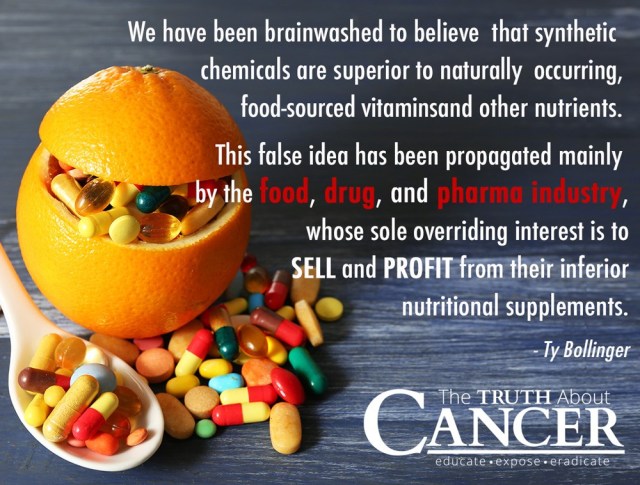
Let’s start out by saying that you should aim to get all nutrients from your diet. Using supplements should not be a long-term fix. They are great while you are healing or fighting an illness, if your diet lacks certain nutrients (vegetarians or vegans), or if you need help stabilizing your blood levels. You should always find out the root cause of the low levels you are supplementing for. Supplementation will help you feel better but can mask a bigger problem, such as an absorption or a diet issue.

You can find a supplement for just about anything. You might purchase a vitamin or herb supplement alone, or as a combination (such as a multivitamin). Not only are there a ton of combination choices, there are a TON of brands and even different forms of supplements (pills, powders, liquids).

To make it even more confusing, supplements are not FDA regulated. This basically means that it is the company’s responsibility to make sure its products are made at a safe dose and can deliver that dose to the consumer. This leads to potency and quality issues with many supplements. Most of the values are listed at the time of manufacturing or before it leaves the facility. After this, it is up to the company to decide how the supplements are transported and stored.

The scarier part is many supplements have fillers and chemicals in them. The term “natural” does not mean it’s safe or good for you (this goes for food also). So you can be secretly ingesting drugs, chemicals, or metals. For this reason, I splurge for the higher-quality supplements that I know were handled properly and/or refrigerated. Otherwise it’s kinda a Vegas scenario, and you are just guessing and hoping that not all the nutrients are oxidized or rancid. Sadly, most of our supplements have either issue, and you are just buying a vegetable capsule with little nutrition value.

To avoid bad supplements filled with unknown fillers and chemicals, I suggest buying your supplements from a company that receives their products directly from the manufacturer and transfers them properly. I buy all of my supplements from Emerson’s Wellevate or Fullscript because of their reputation and known quality. Emerson’s Gold Partner brands test every lot of every ingredient in the products they manufacture, far exceeding FDA requirements. Check out the Supplement tab for more info about ordering from these sites.

After reading, I hope you choose a diet change rather than strictly supplementation use. When I was my “sickest,” I was on over 15 supplements under medical guidance. Supplements are great for helping your body function properly at a cellular level, but it isn’t the magic answer. I may have seen slight changes in sleep or mood, but no drastic change until I modified my diet and healed my gut. As always please consult your medical provider before adding in new supplements as they can be toxic or interact with medications.

Why are you looking for supplements?

Your “why” for looking into supplements is the first question. Are you having issues, or are you looking for health benefits that you don’t get by diet?

Many nutrients can be consumed from a good diet. Unfortunately, according to the CDC, only 1 out of 10 adults meet the daily requirement of fruit and vegetable consumption.

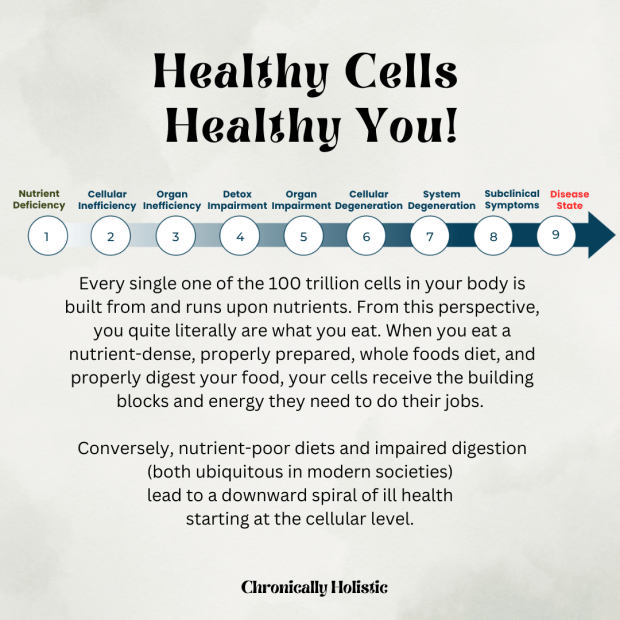
On top of our lack of consuming fruit and veggies, most Americans suffer absorption issues because of diet and medication use. If you are not absorbing your food properly, no amount of food and/or supplements will help. If this is the case, you will likely end up deficient in something.

People are either aware of a deficiency or have a hunch they are deficient in something they can get through supplementation. We tend to rely on supplements over the real food source. The Dietary Guidelines for Americans states that your nutritional needs should be met primarily through your diet, and supplements are just that… supplementary to your diet.

Who needs supplements?

Supplements are for those who cannot get all of the required nutrients through diet. A lot of children (with increasing picky eaters), vegetarians/vegans, and elderly fall in this category. Most people with health issues end up on a ton of supplements because they have misdiagnosed absorption issues.

Generally speaking, if you’re healthy and eat a wide variety of foods — fruits, vegetables, whole grains, legumes, lean meats, and fish — you likely don’t need supplements. The simple fact is that supplements do not provide the same nutrition, fiber, or antioxidants as real food.

My favorite supplement recommendations

I really believe in food first. Unfortunately our diets have become high in Polyunsaturated fatty acids (PUFAs) and are in most of the trending health foods. We need to pay attention to out fat and omega ratios. As well as increasing quality of our foods adding in variety is important to support a healthy microbiome. Although this should be the goal for each of us to live a healthy life! This being said, I have my “go to” favorites to ensure our cells are functioning properly. Without all the proper nutrients and amino acids, our cells can’t do their jobs properly to provide us energy and detoxification. Here is my list of favorite supplements.

Tips to get more nutrients without supplementation:

  • Chew your food 20-30 times to allow for proper digestion and absorption
  • Eat grass fed and pasture fed animal proteins (meat, eggs, dairy) for more higher quality minerals and omega ratios
  • Limit PUFA’s in your diet that cause inflammation
  • Add in collagen and gelatin to your diet (coffee and soups are an easy way to sneak these in)
  • Buy the rainbow at the store and cook your vegetables and fruits while your gut is healing to absorb nutrients more readily.

Buyer beware facts from Harvard (because you l=will believe there data over my words).

  • Beware of extravagant claims! If it sounds too good to be true… it usually is. Also keep in mind: just because a celebrity endorses it does not make it a safe product!
  • Beware of the idea that if a little is good, more is better. Many can lead to more issues and toxicities.
  • Beware of interactions between supplements and medications. Always tell your doctors and pharmacists about any supplements and herbal medications you plan to take, and ask about the risk of potential interactions with your prescription and over-the-counter medications.
  • Beware of meaningless terms. The list includes “all-natural,” “antioxidant-rich,” “clinically proven,” “anti-aging,” and other vague but seductive claims that a product will promote heart health, prostate health, sexual prowess, energy, weight loss, fat loss, muscle power, and the like.
I hope this was helpful! Feel free to reach out to me for recommendations but always speak to your doctor before starting anything new. Just as we are not all the same, not all supplements are the same. It’s important to buy quality products if you are going to supplement…but remember your diet should always be the first stop to increase your bodies needs.