My Story · POTS Awareness
My POTS Story: The Signs I Wish We’d Connected
I passed out for the first time in middle school. It happened again after tumbling, periods, on roller coasters, and during car rides. For a time, I needed a wheelchair.
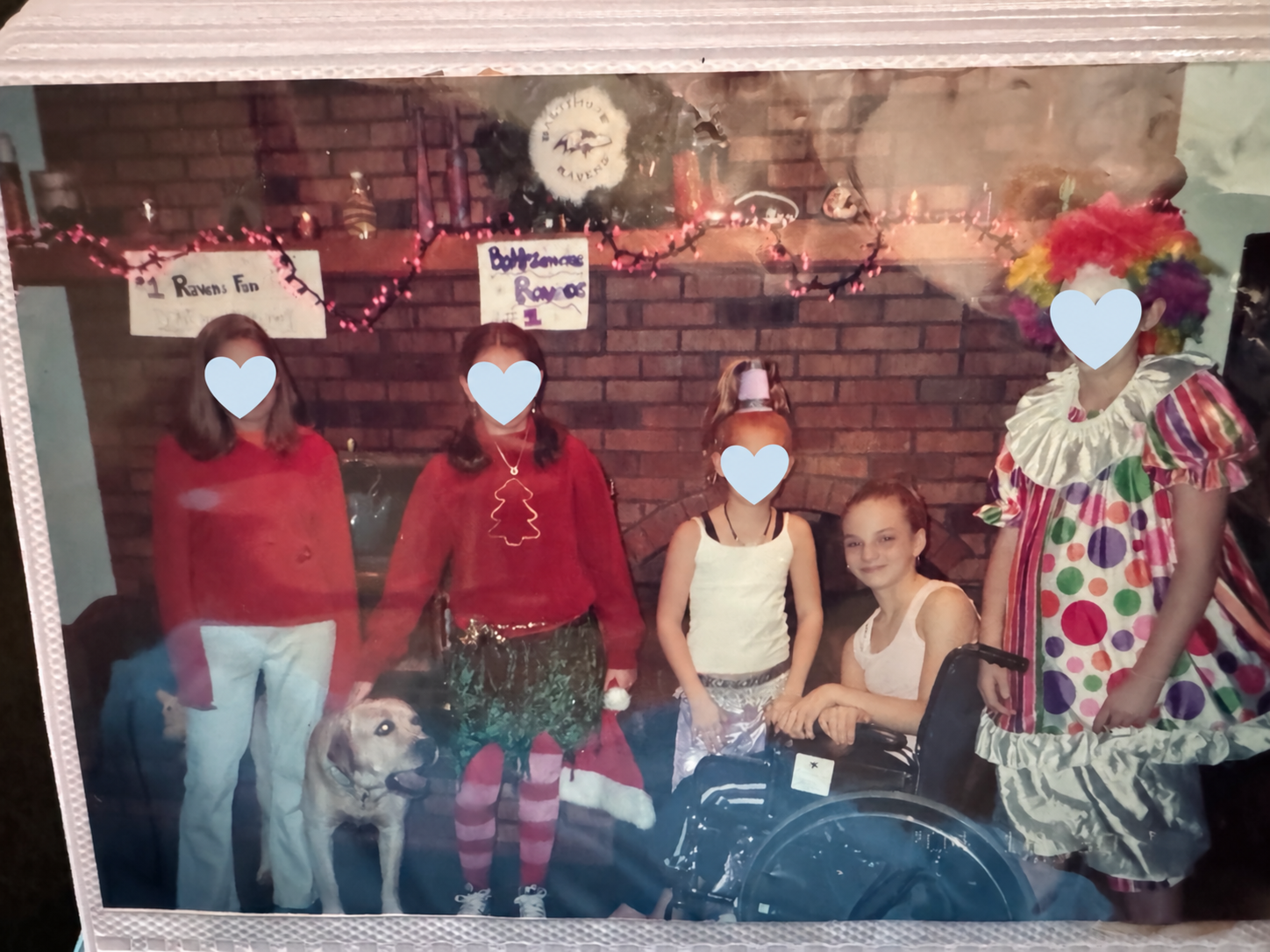
At the time, I was given birth control and Zoloft and had a lot of imaging. As an adult, I can see how some symptoms may have seemed ENT-related. I also remember hearing, “Wow, you must be an athlete,” when my numbers were low. I wish someone had asked whether they might be too low.
It took years—and getting much sicker—before I learned about dysautonomia and POTS. Looking back, I wish someone had helped connect the bigger picture sooner.

POTS can affect more than your heart rate
POTS is a form of dysautonomia involving the autonomic nervous system. Symptoms often worsen when upright and can affect many parts of the body. Along with dizziness, a racing or pounding heart, and fainting, people may experience:
- Severe fatigue, weakness, or difficulty recovering after activity
- Brain fog, trouble focusing, or memory difficulties
- Headaches or migraines
- Nausea, bloating, abdominal discomfort, constipation, or diarrhea
- Shakiness, blurred vision, or feeling short of breath
- Changes in sweating, temperature tolerance, or circulation in the hands and feet
- Exercise intolerance and trouble keeping up with school, sports, or everyday life
Some of these symptoms can also occur with nutrient or mineral deficiencies and many other health conditions. They can overlap, which is one reason it may take time to understand what’s going on. Symptoms alone don’t confirm POTS or identify their cause. If you or your child is struggling, it’s okay to keep asking questions and seek a thorough evaluation with a qualified healthcare professional.
Minerals, hydration, and the bigger picture
For years, I had no idea how much sodium my body needed. I hear similar stories from many of my patients. Sodium and fluid needs can vary, so it’s important to work with a healthcare professional on what’s appropriate for you.
I use Buoy drops as part of my hydration routine. You can use code CHRONICALLYHOLISTIC for a discount. Electrolytes aren’t right for everyone, so check with your healthcare professional before changing your sodium or fluid intake.
Mineral imbalances may be one part of a much bigger health picture. In my practice, HTMA gives us a way to explore mineral patterns in hair and have a personalized nutrition conversation alongside symptoms, food habits, health history, and appropriate medical testing. HTMA alone cannot diagnose POTS, confirm a deficiency, or prove that a mineral pattern is causing a symptom.
My experience is why I care so much about helping young people feel heard. I want them to know they can keep asking questions when something doesn’t feel right.
Start Here
Take the Nutritional Assessment
Share your health history, current concerns, and wellness goals through my nutritional assessment questionnaire.
Take the AssessmentChronically Holistic Services
Explore supportive services
HTMA consultations are available for people interested in exploring their mineral patterns. I offer a healing modality called PEMF. This was introduced to me by The Well Cell in North East, MD. Sessions use pulsed electromagnetic fields and are designed to support relaxation and cellular wellness as part of an individual wellness journey.
Explore HTMA & PEMF ServicesChronically Holistic provides wellness education and services. They are not intended to diagnose, treat, cure, or prevent disease, or to replace care from your licensed healthcare provider.

