I don’t know about you, but I didn’t really learn how to regulate my nervous system until I was a grown adult. We have all heard the saying, “you cannot pour from an empty cup,” well you also can’t function properly if your nervous system is fried.
Your nervous system is your body’s command center. It influences everything from your hormones, immune system, digestion, mood, sleep, and much more. That’s why many are turning to nervous system regulation to improve their health and happiness.
What is the Autonomic Nervous System?
The autonomic nervous system (ANS) is part of your nervous system that controls involuntary processes like breathing, heart rate, and digestion.
There are two divisions of the autonomic nervous system:
- The sympathetic nervous system: Also known as the ‘fight or flight’ response, this division mobilizes your body’s resources to respond to stressors. Basically, this system acts as your gas pedal.
- The parasympathetic nervous system: Nicknamed ‘rest and digest’ mode, this division promotes relaxation and helps you maintain a sense of calm. This system serves as your brake pedal.
Both systems are important. The sympathetic nervous system helps you spring into action when you encounter stress — and the parasympathetic nervous system helps you recover and recharge.
What is Nervous System Dysregulation?
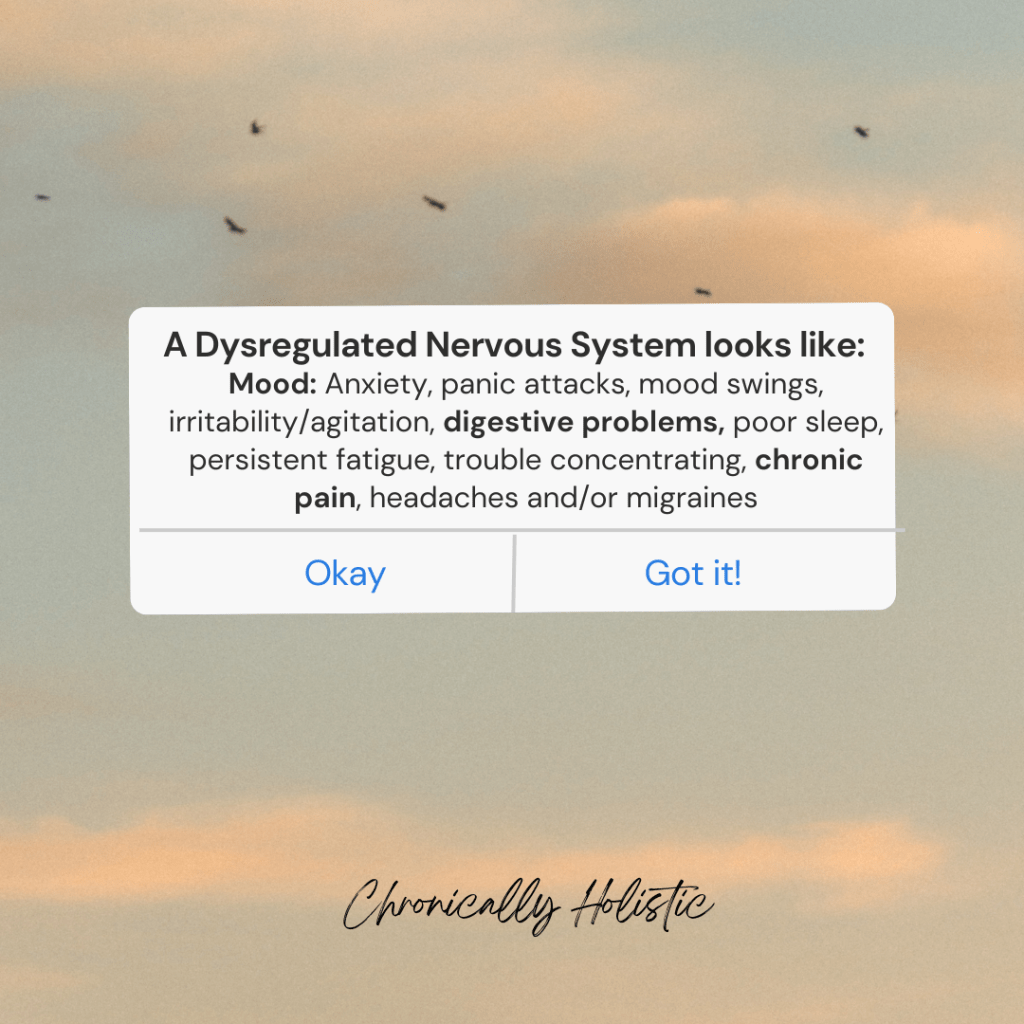
Nervous system dysregulation is when the two systems get out of balance. This can happen due to a poor diet, stress, trauma, overwork, poor sleep, or toxin exposure. This is where I come in to help determine the stressor.
If the sympathetic nervous system becomes dominant, stress hormones shoot up. This can lead to anxiety and agitation.
On the flip side, if the parasympathetic nervous system becomes overly active, you may feel lethargic and apathetic.
Healthy Nervous System Regulation
A healthy nervous system is flexible. Meaning, it shifts from survival mode (sympathetic activation) back to safety (parasympathetic activation) with relative ease.
The trouble is, between bills, traffic, and overpacked schedules, modern life throws stress at us every day. On top of that, thanks to our fast-paced lives, most of us don’t carve out enough time to rest and recharge.
No wonder nervous system dysregulation has become the norm! Luckily, there are many simple things you can do to restore balance to your nervous system.

Nervous system regulation is the ability to calm your nervous system.
I have tools listed below. Each one sends a safety signal to your brain to bring your nervous system back into balance.
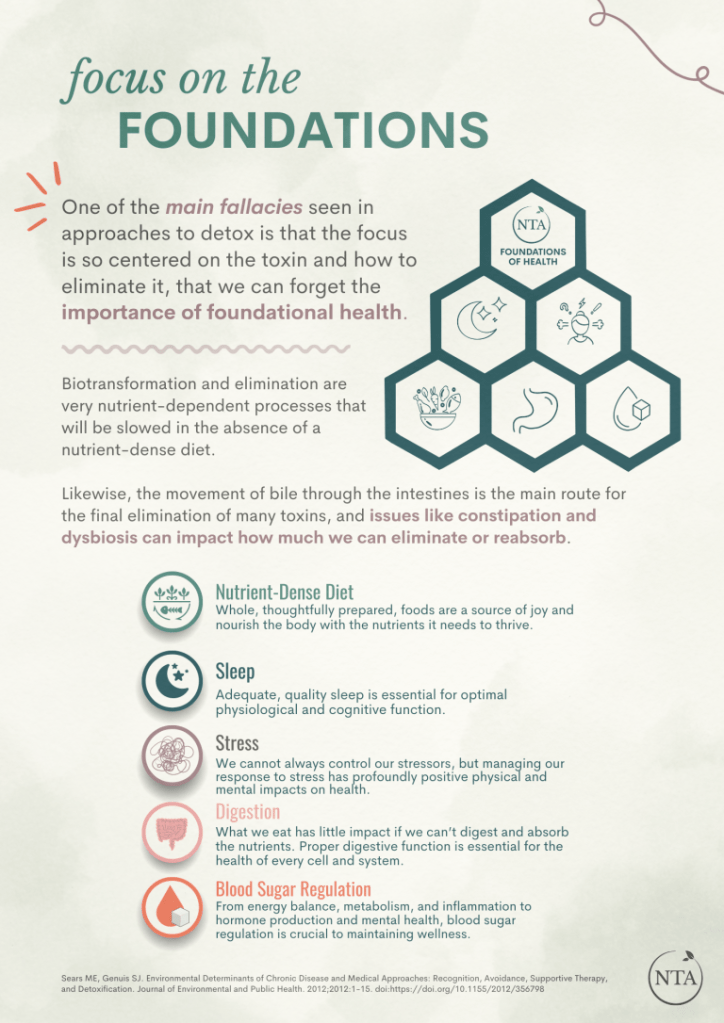
I use hair tissue and mineral analysis in my practice to help determine what minerals you are in need of and what lifestyle and metabolism fits you.
Tools to Balance your Nervous System:
Tool #1 Mindfulness:

Awareness is the first step to changing anything, including your nervous system. Your thoughts, emotions, physical sensations, and responses to external stimuli can all trigger stress.
The more you stay in the present moment, the more you notice the subtle signs of stress. And the earlier you catch it, the easier it is to come back into balance.
Therapy is an amazing tool here to help you challenge your mindfulness and nutriotional goals. Here is a DIY list:
- Observe your thoughts. Take note anytime you’re ruminating about the past or worrying about the future. Notice your thoughts without judgment and gently bring yourself back to the present moment.
- Engage your 5 senses. When you’re going about your day, tune into what you see, hear, feel, smell, and taste in each moment.
- Mindful eating. Eat meals free of distractions. Put all your attention on your food, appreciating the subtle nuances of flavors.
- Try single tasking. Resist the urge to multitask and do one task at a time, whether that’s driving, doing the dishes, or sipping a cup of coffee.
Practicing mindfulness helps you become aware of your thoughts, emotions, sensations, and surroundings in the present moment, without judgment. That way, you can build awareness of the current state of your nervous system and know when to use your tools.
Tool #2: Breathwork
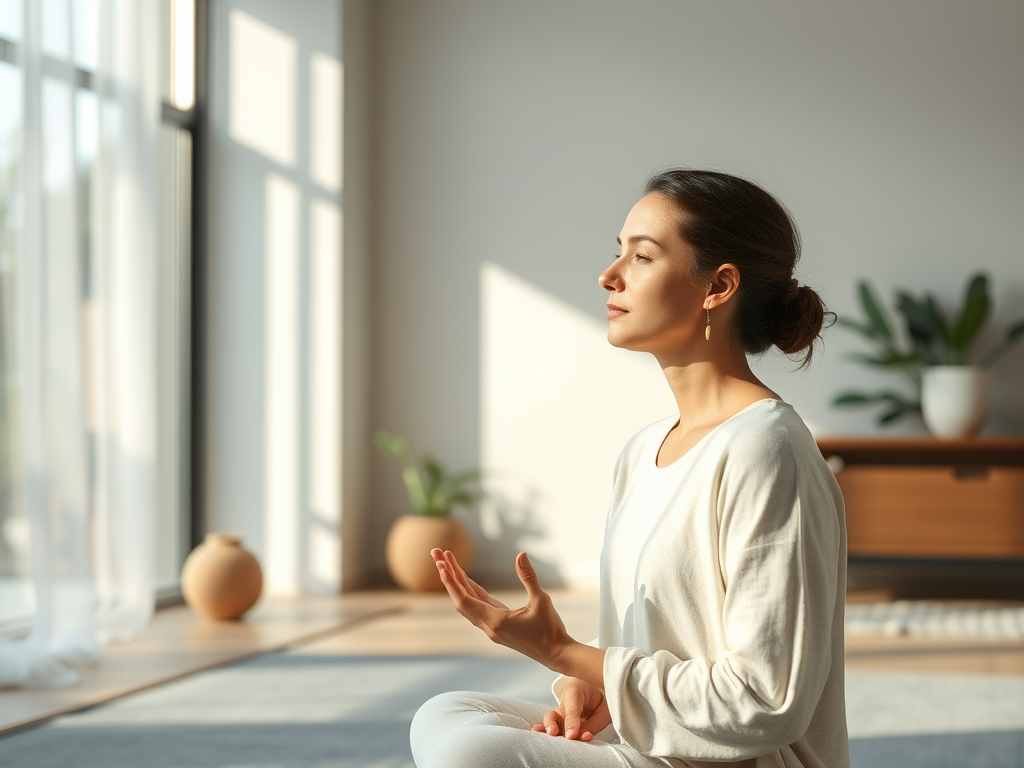
When stressed, your breathing becomes shallow and fast. But when relaxed, breathing is slow and deep.
The good news is, you can consciously change your breath to influence your nervous system. Taking slow, deep breaths calms your nervous system and sends signals to your brain that you’re safe.
The following are a few breathwork techniques that can help regulate your nervous system. Play around with them anytime you feel anxious, worried, or restless.
Breathing Techniques:
- Box Breathing: Inhale slowly through your nose for 4 counts and hold your breath in for 4 counts. Then exhale slowly through your nose for 4 counts and hold your breath out for 4 counts. Repeat for 10 or more rounds. Here’s a video demo.
- Physiological sigh: Popularized by neuroscientist Dr. Andrew Huberman and also known as cyclic breathing. Take two deep inhales through your nose, followed by one long slow exhale through the mouth. Here’s a guided walk-though.
- Alternate Nostril Breathing: As the name suggests, this yoga technique involves breathing through one nostril at a time. It’s said to balance the right and left hemispheres of the brain. This video will show you how to do it.
- Belly Breathing: Also known as diaphragmatic breathing, this breath pattern stimulates the vagus nerve to help trigger the relaxation response. Breathe slowly through your nose, letting the air go deep into your belly.
Tool #3: Movement:

Exercise has endless benefits for your physical and mental health. It burns off stress, relieves muscle tension, boosts your mood, and improves sleep quality — all of which benefit your nervous system.
Just don’t overdo it. Intense exercise without enough recovery time can add more stress into the mix. So if you’ve been dealing with chronic stress for some time, stick to light to moderate exercise for now. I use your hair test here to help guide you what exercise would benefit you.
Here are some of the best exercises to help regulate your nervous system:
- Mindful Movement: Yoga, tai chi, and chi gong are all examples of mindful movement that help calm the nervous system. These practices help you slow your breath, tune into your body, and release tension. Try them anytime you need to instill some inner calm. If you’re new to mindful movement, here’s a beginner’s yoga class to get you started.
- Light to Moderate Exercise: Walking, dancing, biking, swimming, jogging, or hiking all help you get in your body and let go of stress. Not to mention, they improve circulation and trigger the release of endorphins, your body’s natural feel-good chemicals. So the next time you’re feeling edgy, go for a walk or put on a playlist and dance it out.
Tool #4 Nature (my favorite)

Nature can be incredibly calming to the nervous system.
In fact, forest bathing (aka spending time immersed in natural settings), is shown to lower your blood pressure, heart rate, and levels of the stress hormone cortisol.
Try to squeeze in outdoor time any chance you can. Garden, go for a hike, hit a local park, or simply sip a cup of tea on your back porch and listen to the birds. Your nervous system will thank you.
What is grounding?
Grounding, also known as earthing, is the practice of making direct contact with the Earth. This connects you with the electrical charge of the Earth’s surface, which can, in turn, help ground your nervous system.
Grounding has been shown to reduce inflammation, ease stress, relieve pain, improve sleep, and much more. Best, of all, it’s free and easy to do!
Here are a few ways to practice grounding:

- Walk on the grass barefoot
- Lie on the ground
- Garden
- Take a walk on the beach or play in the sand
- Submerge your body in a natural body of water
- Try a grounding tool like earthing shoes or an earthing mat
Tool #5: Vagal Toning:

Stimulating this Vagal nerve helps you feel relaxed in a healthy parasympathetic mode. I enjoy dry brushing on the back of your vagal nerve behind your neck or sacral area.
We can’t all afford spa days, but here are some affordable at home oprions:
- Singing, humming & gargling: The vagus nerve is connected to your vocal cords. Anytime your vocal cords vibrate, it activates your vagus nerve. So if you needed another excuse for some carpool karoake, there you have it! If singing isn’t your thing, humming and gargling can have the same effect.
- Laughter: When you have a good laugh, it activates your diaphragm, which stimulates your vagus nerve. Laughter also reduces anxiety, boosts your mood. and strengthens your immune system. So look for opportunities to laugh whenever you can. Watch funny movies or TV shows, hang out with funny friends, or read funny books.
- Cold water therapy: Exposing your body to cold water stimulates the vagus nerve. And you don’t have to do a full-on ice bath to see benefits! Just splash your face or end your shower cold.
Tip #6: Somatics

When your nervous system is dysregulated, it’s easy to get stuck in your head. Somatic practices help pull you back into your body. That way, you can pick up on stress and tension before it gets out of hand. Here are a few somatic tools that may help:
Physical touch: Physical touch eases stress and helps you feel relaxed. Anytime you get skin to skin contact, whether that’s through hugging, cuddling, holding hands, or enjoying a massage, it triggers the release of oxytocin, the “love hormone” that promotes feeling of well-being. As an added bonus, when you connect with someone in a regulated state, it helps shift YOU to a more regulated state too, through the power of co-regulation.
Emotional Freedom Technique: EFT, also known as “tapping,” is a somatic therapy technique that can help release physical and emotional tension. It involves tapping on certain acupoints while focusing on a negative thought or belief that’s causing you distress. Research suggests it can reduce stress and anxiety and even helps ease symptoms of PTSD. If you’re new to EFT, here’s a video to help you get started.
Making an appointment
As we all know, the healing journey isn’t just about addressing the physical—it’s also about regulating the nervous system. This is an area where many of us, including myself, get stuck. Understanding how to manage this vital aspect of health is transformative.
The connection between heavy metals, toxins, and low minerals is significant—and all of these factors impact your nervous system. By addressing these and practicing grounding and breathwork, your body will better handle life’s little emergencies with resilience and ease.
Talk therapy and Nutritional Therapy is located conveniently inside Grey Matter Counseling in Bel Air, MD. ‘
Services available by appointment only. Services Include: Talk Therapy, Ketamine Assisted Psychotherapy (KAP) at Grey Matter Counseling & Consulting, Coaching and Consulting, Nutritional Therapy and Massage.
To book a nutritional service with me, please click here.

 Chronically Holistic